Washing machine flood prevention is not glamorous, but neither is ripping out a swollen baseboard while your socks smell like wet dog. One cheap hose failure can pump hundreds of gallons an hour into your laundry room, which is exactly how a quiet Tuesday turns into an indoor slip and slide. Insurance industry data shows supply hose failures are a leading cause of residential water damage claims, and a single burst can dump hundreds of gallons per hour. That is a fast path to a large repair bill and a cracked sense of humor. Insurance Journal has reported for years that washing machine losses are common and expensive, especially as hoses age. The good news is that you can upgrade simple parts in an afternoon and dramatically cut the risk. This guide spells out how to handle washer supply hose replacement, braided stainless upgrades, auto shutoff valves, drain pans, and a realistic maintenance schedule that keeps your laundry room boring, just the way we like it.
Why washers flood homes
If your washer could talk, it would insist that it is innocent and the hoses did it. It is not wrong. Most laundry room floods start with the flexible supply lines that connect the shutoff valves to the machine. Standard factory rubber or polymer hoses slowly harden and fatigue from pressure cycling. The washer opens and closes its internal valves like it is tapping a drum, and that stop and start action stresses the hose wall year after year. Rubber ages, tiny cracks grow, the hose can balloon, and one day it splits. That is the dramatic version. There are also the sneaky ones, like a slow drip at a fitting that runs down the back of the machine and feeds the subfloor. Add high static water pressure or a kink that loads the hose at a sharp bend, and failures accelerate.
Hose jackets also take a beating from heat, sunlight, and household chemicals. Abrasion behind the unit is common too. Someone shoves the washer back an inch too far and the hose rubs against a sharp edge. Brass fittings corrode if they are sitting in damp lint country. Mix it all together and you have an appliance that looks harmless but can flood a room faster than your wet vac can yawn.
Do a quick inspection
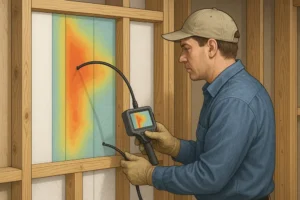
Two minutes behind the washer is cheaper than new flooring. Pull the unit forward just enough to see the back without straining the hoses. Look for bulges, surface cracks, kinks, or blisters in the hose jacket. Check both ends for rust staining, drips, white mineral crust, or dampness. If you see any of that, plan on replacing the hoses now, not next month. Spin the shutoff handles to confirm they still move freely. If a valve handle feels frozen or leaks when you turn it, that is a red flag that a plumber visit is in your near future.
While you are back there, check clearance. Tight turns right off the valve or the washer port are a hose killer. If the machine sits very close to the wall, angle or ninety degree hose ends can help remove stress. And grab a flashlight. Dark corners are where leaks like to audition for your attention. If you want an even wider safety net, our full home guide on how to prevent water damage shows where to look and simple upgrades that cut risk all over the house.
Upgrade to braided stainless hoses
Rubber hoses are fine for a while, and then they are not. Braided stainless steel hoses are a small spend that pay you back for years. The stainless jacket resists abrasion, heat, UV, and household chemicals better than bare rubber, and it adds a layer of protection that helps prevent a sudden split. The fittings are usually brass, which holds up well in a damp laundry closet. That is why plumbers and appliance pros keep telling homeowners to swap the factory rubber for braided stainless. Insurance industry guidance is on the same page because burst rates climb with age for basic rubber lines. See the background and loss data at Insurance Journal.
What to buy. Look for braided stainless steel hoses that specify 304 stainless with solid brass fittings. Choose the right length so the hose has a gentle curve with no kinks when the machine is in place. If space is tight, angle or elbow ends reduce stress. Some sets come with colored bands for hot and cold. That is handy for the tired future you who will forget which side was which.
How they help. The stainless weave does not make the hose invincible. It is a tough jacket that takes abrasion and helps contain a failure, buying you time. The inner tube still ages, which is why inspection still matters. The difference is that braided lines are far less likely to burst without warning. That is the kind of risk reduction that keeps your baseboards dry and your wallet happier.
Replacement timing that actually works
There is a reason people argue about replacement schedules. Water quality, pressure, heat, and hose quality vary. A safe, homeowner friendly rule that aligns with plumbing and consumer guidance is simple. Replace rubber hoses every three to five years. Replace braided hoses at five to ten years, or when you replace the washer. Look behind the unit every six months to catch damage early. That is the short version.
Angi and other pro sources repeatedly point to three to five years for rubber hoses and longer intervals for quality braided stainless, with regular inspections either way. You can read their guidance at Angi. Manufacturers vary, so if your hose maker says replace at a shorter interval, follow that. The practical move is to tag the hose with the install year. Write the month and year on a small plastic tag or the hose cuff with a permanent marker. Future you will thank you.
Auto shutoff options that stop the splash
Nothing beats stopping water in seconds. That is what automatic shutoff devices try to do, and they come in three flavors that stack protections from appliance level to whole house.
Simple flow stopping connectors
Some connectors trip when they sense abnormally high flow and cut off the water. They can stop a full bore burst at the hose. They are easy to install and relatively inexpensive. Downsides exist. Some owners report nuisance trips or flow limitations, and they do not catch slow leaks very well. FloodSafe style connectors are the classic example. Mixed reviews are common, so do a quick search and test them after install. A plain spoken owner review roundup like this FloodSafe update is a good reality check.
Sensor and motorized valve kits for the washer
These kits put a small leak sensor under or behind the machine and add a motorized valve on the washer supply. If the sensor gets wet, the kit kills the water to that appliance. Speed is the strength of these systems. They are excellent at stopping both big leaks and puddle forming events right under the washer. They do require power and an occasional test. Good examples are appliance level kits from LeakSmart or Mainline. You can browse LeakSmart options at LeakSmart, and see a specific type of appliance kit from Mainline right here. We like these because they are a sweet spot between cost and protection for this one appliance.
Whole home smart shutoff systems
These are the luxury bodyguards of the water world. Inline monitors like Flo by Moen or Phyn watch flow patterns for your entire house and close the main valve when they detect a leak. They also offer usage analytics, freeze alerts, and app notifications. They are not cheap and usually require a plumber for installation. The payoff is simple. They protect you from more than just a washer event. They catch hidden leaks behind walls or under sinks that small appliance kits would miss. See a clear eyed review of a popular option at TechHive, and get a sense of what full home coverage looks like.
Drain pans and routing
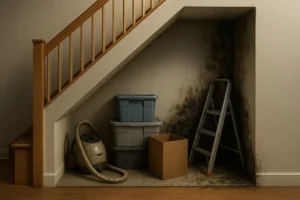
Drain pans are not flashy. They are small trays that catch drips and minor overflows. Yet when a slow leak starts and nobody is home, a pan with a drain line can be the difference between a small mess and a swollen ceiling downstairs. Choose a corrosion resistant pan that fits your washer footprint. If a floor drain is nearby, route a drain line from the pan to that drain. No floor drain on that level. Consider routing to a condensate pump where code permits and discharge the water to a safe location outside. Pans without a drain buy you time, not immunity. Treat them like an early warning system and set a reminder to peek inside the pan during your six month inspection. Want to know why we care so much about this simple piece of plastic. Slow undetected leaks grow mold where you cannot see it. Our guide to drip trays under appliances explains how laundry rooms, kitchens, and utility closets hide growth that you only smell when it is already a headache.
Pressure, valves, and vacation habits
Think of high water pressure like high blood pressure for your plumbing. It quietly beats up every seal in the house. Ideally, static pressure at a hose bib or laundry valve should live in a moderate range that appliance makers are happy with. If your pressure spikes or sits high, a pressure reducing valve on the main line is worth it. Many homes already have one, and the fix is simply to adjust or replace it when it ages out. Your plumber can check this in minutes with a gauge. We also like quarter turn ball valves for the washer rather than old gate valves. They are easier to shut, easier to test, and they actually get used which is the point. Test your washing machine valves a few times a year. If they are stiff or noisy, plan on a replacement instead of waiting for the day they will not close.
Heading out of town. Turn off the water to the washer. If you have a whole home smart valve, use vacation mode in the app. You do not need to trust your luck while you are at the beach. You want an actual beach, not a laundry themed one at home.
Maintenance schedule you will actually follow
Do not overthink the calendar. A simple routine keeps you ahead of trouble and takes less time than folding a load of towels.
| Task | When | What to look for |
|---|---|---|
| Visual check behind washer | Every six months | Bulges, cracks, kinks, rust at fittings, damp pan, slow drips |
| Test shutoff valves | Every six months | Handles turn easily, no seepage at stem or packing nut |
| Replace rubber hoses | Every three to five years | Replace sooner if any damage or discoloration appears |
| Replace braided stainless hoses | At five to ten years or with new appliance | Replace sooner if any fraying, corrosion, or leaks are present |
| Test leak sensors or auto shutoff | Quarterly | Trip test with a damp towel, confirm the valve closes and app alerts |
| Check water pressure | Annually or after plumbing work | Ask a plumber to verify and adjust the pressure reducing valve if needed |
| Label hose install date | At installation | Mark the month and year on a tag or hose cuff |
Replacement intervals vary by maker and water conditions, so take these as conservative targets that align with plumbing and consumer guidance from sources like Angi. If your manufacturer recommends a shorter interval, follow that.
How to replace hoses without a meltdown
Washer supply hose replacement is a satisfying DIY win if you are comfortable with hand tools. If not, skip the wrestling match and call a plumber or our team. Either way, here is the gist so you know what good looks like.
Turn off the hot and cold water valves fully. Unplug the washer for safety. Run a brief drain or spin cycle to relieve pressure in the lines. Place a towel and a small bowl behind the machine to catch residual water. Loosen the hose from the washer first, then from the shutoff valve. If a fitting is stuck, do not crush it with brute force. A second wrench to back up the valve body helps. Inspect the valve threads for corrosion and clean debris with a soft brush. You do not need thread seal tape on washer hose connections because they use a rubber gasket to seal.
Attach the new hoses by hand until snug and straight. If you feel resistance early, back off and realign. Cross threading is easy when you are working in a tight space. Once hand snug, quarter turn with a wrench. Over tightening can deform the gasket and cause the slow drip you are trying to avoid. Restore power and open the valves slowly. Watch each connection while the washer fills for the first time. A drip that appears under pressure means you should stop, snug slightly, and test again.
Final detail. Keep the hoses from rubbing on sharp edges. Use soft edge guards or relocate the machine a hair if needed. And keep that install date tag visible. Future you has a lot on their plate.
Add protection that fits your budget
Which gear should you pick. A realistic tiered approach keeps things simple. Start with braided stainless hoses and a drain pan. That is the base layer that cuts the most common failures. If your laundry is on an upper floor or above finished space, add an appliance level sensor and motorized valve kit. For owners who want to protect the whole house and like data in an app, a full home smart shutoff is the capstone. Product examples are not endorsements, but they help you shop. Appliance level kits from LeakSmart or options like the Mainline appliance kit are proven in real homes. For whole home control, Flo by Moen and Phyn are well known. See a balanced take here at TechHive.
Whatever you choose, test it. Trip a sensor with a damp towel every few months. Confirm the valve closes and the app barks at your phone. A silent system does not help when the drum hits the floor.
What happens if you already have a puddle
First, do not panic. Stop the water at the valves or the main shutoff. Unplug the washer. If the floor is still wet or water reached walls or cabinets, call in a pro right away. The first hours matter. Extraction and fast drying prevent swelling and mold growth. Our team runs on-call crews for emergency water extraction and structural drying. Once the area is safe and dry, we can help plan permanent fixes and upgrades so this episode does not repeat.
When to call a pro
There is zero shame in tapping a pro. Replace your own hoses if you like, but bring in help if any of these match your situation. Your shutoff valves will not close. You see corrosion at fittings or on the valve body. Your laundry sits above finished space and you want a fast appliance level shutoff installed correctly. You suspect high water pressure and want it measured and adjusted. You are installing a whole home smart shutoff on the main line. If you are already dealing with warped floors or a musty smell in the laundry closet, have us take a look. Hidden wet spots can feed mold, and stopping that early saves money and nose hairs. If you want a step by step home walkthrough, schedule a free visit and call All Nation Restoration today. We will check hose condition, valve function, pressure, and map out upgrades that match your budget.
Why this works
Prevention wins because it is simple and boring. Good hoses, working valves, moderate pressure, a pan with a drain, and a sensor that tattles when water shows up where it should not. Insurance data backs that up. The average claim for washing machine water damage is several thousand dollars, and a single burst can move hundreds of gallons in an hour. That is a lot of water for the price of two braided hoses and a Saturday errand. See the industry overview at Insurance Journal for why simple prevention cuts loss size dramatically.
If you want a broader plan that covers more than the laundry room, read our homeowner guide to prevent water damage across the house. The combination of checks and smart gear turns surprise floods into non events.
FAQs
How often should I replace washing machine supply hoses?
For basic rubber hoses, three to five years is a common preventive swap period, and many pros recommend staying on the early end of that if your laundry sits over finished space. For braided stainless steel hoses, many plumbers suggest replacing at five to ten years or when the appliance is replaced. Either way, inspect every six to twelve months for bulges, cracks, kinks, or corrosion at the fittings and replace immediately if you see damage. See the homeowner guidance at Angi.
Are braided stainless hoses burst proof?
No hose is perfect. Braided stainless steel is far more resistant to abrasion and sudden failure than plain rubber, but nothing is truly burst proof. Proper installation, correct length, and regular inspections matter. For the why, see insurance loss commentary at Insurance Journal.
Will an auto shutoff hose stop a washing machine flood?
Some connectors can stop a catastrophic high flow burst right at the hose, which is great for the big stuff. A sensor and motorized valve kit adds protection for slow leaks and puddles under or behind the washer. If you want coverage across the whole plumbing system, a full home smart shutoff can close the main when it detects abnormal flow. Product pages like this appliance kit or the lineup at LeakSmart show examples of how they work.
Should I install a drain pan under my washer?
Yes if you can. A properly drained pan contains slow leaks or minor overflows and keeps water off subfloors and out of adjacent rooms. If the pan cannot be drained to a floor drain, treat it as a warning tray and check it during inspections. For more on why pans matter, see our quick guide on drip trays under appliances.
What if the washer is on the second floor?
Upper floor laundry rooms raise the stakes. Use braided stainless hoses, add a drain pan with an actual drain, and install an appliance level sensor and motorized valve kit. Consider a whole home smart shutoff too. The combination gives you time to react even when nobody is home.
Do I need Teflon tape on washer hose threads?
No. Washer hoses seal at the rubber gasket in the female swivel connector. Tape on those threads often does nothing or can cause over tightening. Clean the threads, use the included gasket, hand tighten, then a small wrench nudge if needed. Test under pressure and watch for drips.
How high is too high for water pressure?
Appliance makers give ranges, but the short answer is that pressure that sits high puts stress on hoses and fittings. If you suspect strong pressure or hear banging pipes, ask a plumber to measure with a gauge and adjust or replace the pressure reducing valve if needed. Gentle on pressure means gentle on your hoses.
What do I do if I already have water on the floor?
Shut off the washer valves or the main water valve, unplug the machine, and start blotting to stop migration. If water has spread under walls or into adjacent rooms, call for emergency water extraction. Quick removal and controlled drying make the difference between a minor fix and a long repair.
Ready when you are
You have options that work at every budget level. Upgrade to braided stainless hoses, add a drain pan, test your valves, and put leak detection in play. The result is a quiet laundry room where the only water that moves is inside the machine. If you want a second set of eyes or would like us to handle the upgrades, call All Nation Restoration. If the washer has already rehearsed its splash routine on your floor, our on-call crew can handle the mess and dry your home fast with emergency water extraction. Either way, no more sock swimming.