Yes, you can sometimes paint over smoke stains, but only after you’ve identified the residue and allowed a properly cleaned wall to dry fully. Fresh paint and smoke stain primer won’t fix greasy soot or hidden moisture. Skip those problems and the new finish may discolor or peel.
Why Fresh Paint Fails
A smoke stain often holds more than a cosmetic mark. The gray patch you see may contain loose soot, while the darker edge may be a tacky combustion residue. What burned also matters. Smoke from wood doesn’t leave exactly the same residue as smoke from plastic furnishings or household chemicals.
Paint can bond reliably only when the surface is sound. Loose particles weaken adhesion, and oily residue can interfere with curing. Even if the first coat looks acceptable, the stain may migrate through later. Adding another finish coat usually wastes paint without correcting the surface underneath.
A larger fire brings concerns that have nothing to do with decorating. The U.S. Fire Administration’s post-fire recovery guidance advises you to confirm that the building is safe to enter and warns about structural hazards. If the wall is charred or wet from suppression work, put down the roller.
Mistake: Cleaning Before Assessing
Reaching for a wet household sponge is one of the most tempting shortcuts. It’s also a good way to smear some types of soot across the paint or push residue farther into porous drywall. Before cleaning, inspect the affected area and determine whether the deposit is loose or greasy. Soot around supply or return vents suggests the problem may extend beyond the visible wall.
The safer step is to control loose particulate first with a method suitable for that residue and surface. Follow with a compatible cleaner only after testing a small area. Don’t mix household cleaning products in hopes of making something stronger. You could damage the coating or create an exposure problem that’s worse than the stain.
Mistake: Using Primer as a Cleaner
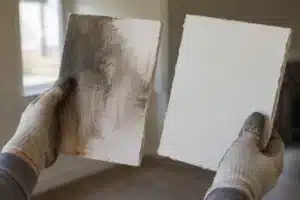
Primer belongs to the coating system, but it isn’t a soot-removal product. Rolling primer across contaminated paint can drag residue through the coating, and adhesion is questionable when the wall still feels oily or leaves a mark on a clean cloth.
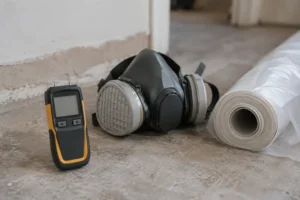
Proper preparation starts by protecting unaffected areas so residue doesn’t travel. Loose contamination is removed with an appropriate technique, followed by cleaning that suits both the residue and the wall material. Once the surface is clean, it needs time to dry.
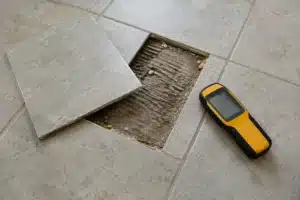
A wall that feels dry at the surface may still hold moisture after firefighting. Damp insulation and wet wall cavities can keep an assembly from drying normally. That situation may call for professional structural drying before repairs or coating begin.
Once the wall has dried, inspect its condition again. Remaining discoloration may be suitable for a stain-blocking primer if the material is intact. Soft or charred drywall indicates physical damage, and no primer turns damaged material back into sound material.
Choosing a Smoke Stain Primer
A smoke stain primer won’t work as one universal formula. Ordinary drywall primer may help new paint adhere, yet it may have no useful claim for severe smoke staining or residual odor. Read the label for the substrate and the type of stain it’s designed to block. Confirm that your intended finish coat is compatible, too.
Ventilation requirements and application instructions deserve more attention than the marketing on the front of the can. Test the complete coating system in a small area, then allow the specified drying and recoating time. If the stain returns through that test patch, piling on more coats is a poor experiment. Reassess the cleaning and the material underneath.
Mistake: Treating Odor as Cosmetic
Smoke odor that remains after cleaning is evidence that a source may still be present. The back of the drywall or insulation can hold odor even when the painted face looks clean. Unfinished framing and porous flooring can do the same thing.
Odor returning after you close the windows is especially telling. Smoke may have entered wall cavities or HVAC components, so coating one visible surface only masks part of the problem. It can look like a successful repair for a while and still smell on a humid afternoon.
An ozone generator isn’t a casual DIY cure for this. The EPA warns that ozone can harm health and is generally ineffective at controlling indoor air pollution at concentrations that meet public-health standards. Persistent odor calls for source investigation, not a machine marketed as a shortcut.
When Is DIY Preparation Reasonable?
Limited DIY preparation may be reasonable when the incident was minor and the affected area is easy to inspect. All of the following conditions should be true before you treat repainting as a straightforward project:
- The smoke source has been eliminated, and the residue is confined to a small area.
- The wall is intact, with no char or soft material.
- No firefighting water or hidden moisture entered the assembly.
- Soot didn’t spread through supply or return vents.
- The surface can be cleaned without scraping questionable older coatings.
- Odor resolves after cleaning and normal ventilation.
- A small coating test dries properly without staining or adhesion trouble.
A visual improvement doesn’t prove that the wall is ready for paint. A wall can look clean under bright light and still leave residue on a test cloth or release odor when the room warms up. Follow the cleaner and primer instructions for protective equipment and ventilation. If you can’t identify the residue, DIY preparation has already reached its limit.
Older Walls Need a Pause
Sanding a smoke-stained wall can create a larger hazard than the mark you were trying to remove. In many pre-1978 homes, disturbing painted surfaces can involve lead-based paint. The EPA’s lead renovation program explains the requirements that apply to contractors performing covered work in many older homes and child-occupied facilities.
Don’t dry-sand questionable paint merely because the edge looks rough. Determine whether lead-safe procedures are needed before creating dust. The same pause applies before aggressive scraping.
Opening wall cavities can disturb suspect asbestos-containing materials in some older buildings. Joint compounds or textured coatings may be among the materials requiring evaluation. The EPA recommends leaving suspected asbestos materials undisturbed and using qualified professionals for sampling or removal.
When Professional Cleanup Makes Sense
Professional assessment is warranted when smoke spread through several rooms or the residue is heavy and unidentified. Sticky deposits from burned synthetic materials aren’t a good place to test random internet cleaning recipes. The same applies when soot appears inside vents or smoke odor remains after careful surface cleaning.
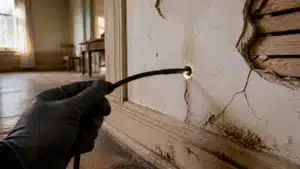
Visible material damage makes the decision to seek help straightforward. Charred framing and softened drywall need evaluation for removal or repair. If a wall cavity is damp from fire suppression, the moisture needs to be addressed before it contributes to further material damage or suspected microbial growth.
You should also stop when the situation involves utility or structural concerns. The American Red Cross home-fire recovery guidance warns you to wait for permission to re-enter a damaged home and watch for electrical or gas hazards. A paint project starts only after the building itself is safe.
When we evaluate smoke damage, the useful question is whether each affected material can be cleaned, needs controlled coating, or must be removed. That decision depends on the residue and material condition. Selling primer as the answer to every smoke problem is easy. Making sure the contamination source is actually addressed takes real restoration work.
Identify the Residue Before You Cover It
If you want to paint over smoke stains without doing the job twice, make assessment your first step. Clean and dry a sound surface, then use a compatible smoke stain primer only for the discoloration or odor it’s labeled to block. If you can’t explain what caused the mark or why the smell remains, don’t cover it yet. Knowing what’s under the paint is the one thing that matters most.
References
- U.S. Fire Administration’s post-fire recovery guidance (usfa.fema.gov)
- Ozone Generators that are Sold as Air Cleaners (epa.gov)
- Lead Renovation, Repair and Painting Program (epa.gov)
- Protect Your Family from Exposures to Asbestos (epa.gov)
- What To Do After A Home Fire (redcross.org)