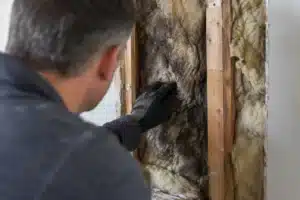
The lowest mold bid may only be the bid that leaves the most work unnamed. You can’t compare prices until each mold remediation proposal defines the same work and uses the same completion criteria. A short proposal with “treat affected areas” beside a lump sum tells you almost nothing about what you’re buying.
Use This Checklist Before Comparing Bids
Every question below should have a written answer in the proposal or a document the proposal clearly references. At All Nation Restoration, we’d rather see you challenge vague language before signing than argue over an allowance after demolition begins.
- What caused the moisture, and who will correct it?
- Is there a written assessment or remediation protocol, and does the bid match it?
- Which areas and materials are included?
- What happens if hidden contamination extends beyond the stated boundaries?
- How will the work area be separated from occupied or unaffected areas?
- How will HVAC openings and mechanical systems be handled?
- Which materials will be removed or retained?
- Who handles the contents?
- How will debris leave the work area, and who performs final cleaning?
- Which work is excluded?
- Who determines whether the remediation passed, and what happens if it fails?
- Which records and completion certificates will you receive?
Put each bid beside this checklist and mark whether every answer is clear. Don’t give partial credit for a salesperson’s verbal promise. If the promise affects cost or responsibility, ask for it in writing. A page describing mold remediation services can explain the general work, but your signed documents still need to describe your property.
Moisture Correction Needs an Owner
Mold cleanup won’t hold if the material gets wet again. The EPA’s household mold guidance makes moisture control part of solving the problem, which is why “stop the leak” is weak proposal language. The proposal should identify the suspected source and assign the repair.
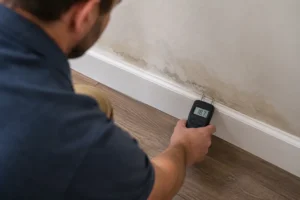
A stained wall below a supply register could involve HVAC condensation, while staining near the floor may trace back to a plumbing connection. Those conditions can require different trades. If moisture correction is excluded from the mold remediation proposal, the exclusion should name who is expected to handle it. You shouldn’t discover midway through removal that you need to arrange separate water leak cleanup before the work can continue.
Timing matters as much as responsibility. Removing damaged drywall while water is still entering the wall creates an unfinished problem with a cleaner-looking opening. The scope should explain how retained materials will be evaluated for moisture before the cavity is closed or reconstruction begins.
Be skeptical of a proposal that promises mold treatment but says nothing about the source. The remediator may have no control over roof repair or plumbing work, and that’s fine when the division is clear. What isn’t fine is leaving you to guess who makes the repair or who confirms that the area is dry enough to proceed.
The Proposal Must Match the Protocol
A contractor’s price proposal and a remediation protocol aren’t automatically the same document. For a regulated Texas project, the protocol defines what must be remediated and how successful completion will be judged. The contractor’s work plan should correspond with it. If one document calls for removal inside two rooms and the bid prices only one, you aren’t looking at a bargain. You’re looking at an omission.
Texas restricts conflicts between mold assessment and remediation roles. Your documents should identify the parties responsible for assessment and remediation when those requirements apply. You can check licensing through the Texas mold program. The proposal should say which document controls if its wording conflicts with the protocol.
Don’t let anyone reduce Texas law to a slogan such as “every mold spot requires the same process.” Chapter 1958 of the Texas Occupations Code contains exemptions, including a small-project provision tied to an area of less than 25 contiguous square feet. That threshold concerns regulation. It doesn’t prove that a smaller area is harmless, and it doesn’t excuse careless cleanup.
Boundaries Make or Break the Bid
A usable mold removal scope identifies a location you could point to before demolition starts. “Affected wall” isn’t enough. The scope should identify the exact wall area and material being removed. It should say where removal stops and whether the cavity behind that finish is included.
Hidden conditions require a decision process, not an open checkbook. Once a section of gypsum board comes down, contamination may continue behind a cabinet or into an adjacent cavity. The proposal should explain when work pauses and who can approve expansion. If the assessment protocol must be revised, that responsibility should be stated too.
Containment Must Be Operational
“Standard containment included” is a label, not a method. The scope should describe the barriers and controlled entry that apply to your project. Air filtration or pressure control should be addressed when the protocol requires those measures. The EPA’s remediation guidance for buildings scales containment to the extent and circumstances of contamination, so identical containment for every project would make little sense.
Mechanical systems deserve their own language. If the work area has a shared return or supply register, ask how that opening will be isolated and when the HVAC system can operate again. “Protect HVAC” leaves too much unanswered. In an occupied apartment building, a missed return can affect spaces well beyond the room under demolition.
Exclusions Need Names
Contents handling can change access and scheduling before removal even begins. Your proposal should state who handles the furniture and which items need separate cleaning. The debris route and protection for common areas should be identified. Reconstruction belongs on the exclusion page if it isn’t included. A remediation bid may leave you with open walls and missing trim after successful verification, even though the mold work itself is complete.
Is It Removal or Just Treatment?
The verbs in a proposal matter. Removing drywall is different from HEPA vacuuming a framing member. Physical cleaning is different from applying an antimicrobial product. If the proposal uses “treat,” ask what action that word buys for each material.
Antimicrobial application isn’t a universal substitute for removing contamination. Dead mold and remaining fragments can still be undesirable. Coatings can have a legitimate place in a protocol, but the bid should explain what cleaning occurs first and what condition the material must meet before coating. Spraying over a dusty cavity is a shortcut with a technical-sounding label.
Material decisions shouldn’t be reduced to “all porous materials go.” The condition of the material and the governing protocol matter. You need the proposal to distinguish what will be discarded from what will remain, then describe the cleaning method for retained material. That level of detail lets you see why two totals differ.
Verification must be defined before work starts. The mold remediation proposal should identify who performs the post-remediation assessment and which written criteria apply. Air sampling isn’t mandatory on every project, so don’t accept a sales pitch built around testing alone. Depending on the protocol, verification may involve an inspection, with sampling when the project requires it. The bid should state who pays for corrective cleaning and repeat assessment if the work doesn’t pass.
Watch the Property After Closeout
Closeout records should show what was completed and who accepted the result. Ask for the required project documents and approved changes. Containment shouldn’t disappear before the applicable verification allows its removal. A vague “clearance by others” line shifts responsibility without telling you who schedules the assessment or what happens after a failed result.
Once the scopes match, compare price last. A lower figure may exclude critical work such as moisture repair. It may place retesting costs on you. Those aren’t small differences in efficiency. They’re different purchases.
Keep watching the original moisture source after the property returns to service. Check the area after a strong Central Texas rain if exterior intrusion was involved, and pay attention during cooling season if condensation contributed to the problem. New staining or recurring dampness deserves prompt investigation. Passing the stated completion criteria confirms the condition at closeout. It can’t prevent mold from returning when a new leak or moisture problem develops.
References
- A Brief Guide to Mold, Moisture and Your Home (epa.gov)
- Mold Assessors and Remediators Homepage (tdlr.texas.gov)
- Texas Constitution and Statutes (statutes.capitol.texas.gov)
- Mold Remediation in Schools and Commercial Buildings Guide: Chapter 1 (epa.gov)