You had a smoky kitchen, a tiny garage fire, or a candle incident that got out of hand. You googled a quick fix, rented an ozone generator, and cranked it up like a fog machine at a rock show. The smell faded, the room felt crisp, and you high-fived yourself. Then the fridge stopped sealing right, your thermostat started acting haunted, and the piano keys turned a weird yellow. That fresh scent was a tease. Ozone is a ruthless oxidizer, and when you overdo it, the most expensive damage is what you cannot see. Let’s talk about the hidden ozone generator damage homeowners keep discovering months later, and the material-safe odor removal methods that actually clear smoke without trashing your stuff.
What Ozone Generators Actually Do
Ozone generators make O3, an unstable gas that wants to react with pretty much anything carbon-based. It tears double bonds apart in organic molecules, which is why it can neutralize nasty odor compounds from smoke. Sounds great until you realize the same reactions that break odor molecules also chew on rubber, adhesives, coatings, and certain plastics. That is the “magic” and the problem. Ozone helps when used surgically after the real cleaning work is done and only in an unoccupied space at controlled levels and durations. Blast it too long or too often, and you are setting off tiny chemistry experiments inside gaskets, wiring insulation, and finishes all over your house.
The Hidden Damage You Cannot See
The term you will see in materials science circles is ozone cracking. It is exactly what it sounds like. Ozone attacks elastomers and creates fine cracks that start microscopic and grow with stress and time. Even small exposures add up. Pair that with oxidation on metals and plastics getting chalky, and you have a perfect recipe for failures months after the fire. Here is where it usually bites.
Rubber And Elastomers
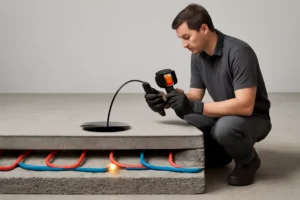
Door seals, appliance gaskets, window weatherstripping, fridge and freezer magnetic gaskets, vacuum hoses, and belts are all prime targets. Ozone causes embrittlement and fine surface fissures that do not always show up right away. The seal still “looks fine,” but the rubber loses elasticity and memory. That means tiny gaps that leak cold air on appliances, let in outside humidity at doors, and whine-inducing belt failures. Materials like natural rubber, nitrile, and styrene-butadiene are especially vulnerable. This is textbook ozone cracking, documented for decades in labs and in the field.
Wiring, Plastics, And Electronics
Electronics hate ozone. It accelerates oxidation of exposed metals, corrodes contacts, and can compromise wire insulation and conformal coatings on circuit boards. You might not see burn marks or soot, but you will get strange resets, ghosting displays, sticky buttons, and early death in anything from smart thermostats to garage door openers. Some plastics go brittle or turn tacky. Others discolor from clear to amber. That “why is my TV remote gummy now” mystery is often ozone’s fingerprints. Once those materials degrade, they rarely recover, and intermittent electrical problems are notoriously expensive to chase.
Finishes, Paint, And Surfaces
Paints and varnishes can haze, flatten, or chalk with strong oxidizers. Wood finishes may lose sheen or take stain unevenly after exposure. Stone surfaces can pick up odd blotches, and some adhesives behind veneers or trim get weakened. If the source smoke was protein-based, like a kitchen fire, that residue behaves like an invisible sticky film. Ozone will not fix that. You have to remove it, or it keeps off-gassing. Nothing is more maddening than repainting a kitchen that smells great for a week, then smells like a burnt casserole again because the film was never broken down and rinsed away.
Air System Spread And By-Products
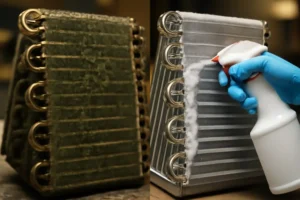
Smoke loves hitchhiking through return vents, duct boots, and wall cavities. If you flood a house with ozone before you clean, you can oxidize residues in place and create new reaction by-products that smell chemical and sharp. It is the deodorization version of spraying perfume on a skunk. You might tone it down, but you did not remove the skunk. Worse, ozone that pushes through the HVAC can beat up flexible duct liners, dry out rubber gaskets in air handlers, and add corrosion to coils.
| Material | Likely Ozone Effect | Common Symptom |
|---|---|---|
| Rubber gaskets and seals | Ozone cracking and embrittlement | Poor sealing, air leaks, fine surface cracks |
| Wire insulation and plastics | Brittleness or tacky surface, discoloration | Sticky feel, yellowing, splits at bends |
| Metal contacts and coils | Accelerated oxidation and corrosion | Intermittent electronics, noisy HVAC |
| Paints and varnishes | Chalking or sheen loss | Flat spots, powdery residue, uneven shine |
| Protein soot residues | Partial oxidation without removal | Odor returns after a few days or when humid |
Red Flags After Ozone Treatment
If you went heavy on ozone and now something feels off, look for patterns instead of single clues. Rubber around doors that takes a set and does not rebound, plastics that feel gummy or look yellowed, paint that lost its gloss in patches, or electronics with sudden mood swings all point to ozone generator damage. Another giveaway is a sharp, chemical edge to the air that lingers long after you ventilate. If the HVAC kicks on and the smoky smell spikes, your ducts and air handler likely picked up soot or reaction by-products. Put your hand along a fridge gasket and feel for cool drafts. Listen for squeaky appliance belts. Catch these signs early and you can swap a gasket instead of buying a new fridge.
Material-Safe Odor Removal That Works
Real deodorization is a method, not a machine. You remove the source, capture the fine particulate, chemically break down what smoke left behind, and then treat the air and hidden voids that carried the odor. When you hear pros talk about material-safe odor removal, this is what they mean. The goal is to protect substrates while erasing the stink for good, not just win the room for 48 hours.
Start With Source Removal And Dry HEPA
If it is charred, melted, or coated in heavy soot, it goes. Bag it and get it out. Then use a true HEPA vacuum with controlled strokes to capture loose soot. Do not smear it around with a damp rag first. Soot is acidic and ultra fine, and pressure washing it across drywall is a fast way to stain and embed it deeper. Work top to bottom, and keep brushes gentle on finishes you plan to save.
Chemistry That Targets Smoke Types
Kitchen fires and burnt food incidents leave protein soot. That film laughs at ordinary cleaners. Start with a quality alkaline degreaser to cut the fats, then bring in enzyme cleaners that break protein bonds. Rinse and pH-balance the surface so you are not leaving residues that can haze paint or keep reacting. On standard carbon soot from wood or paper, solvent or surfactant-based cleaners paired with HEPA capture works well, again followed by a proper rinse. The trick is matching chemistry to residue and respecting the material you are cleaning. You are not stripping a car; you are restoring a home.
Soft Goods And Textiles
Odor loves porous fibers. Wash what you can with enzyme detergents and repeat cycles if needed. For rugs, upholstery, and drapes, hot water extraction with the right pre-sprays removes residue rather than perfuming it. Some pieces need off-site ozone or hydroxyl treatment in a controlled chamber after cleaning, not a whole-house bomb. If a sofa smokes like a brisket every time the sun hits it, cleaning likely missed embedded residue in the batting and frame. Be honest about replace-vs-restore.
HVAC Decon Done Right
If smoke reached the system, clean it. That can range from removing and washing registers and grilles to full duct cleaning with negative air, agitation, and HEPA capture. Evaporator coils and blower compartments often need attention. If flex ducts are cheap and loaded, replacement can be smarter than heroic cleaning. After cleaning, treat accessible interior duct surfaces with products designed for HVAC use only, and always verify with visual checks and, if needed, odor or particle testing. A freshly painted living room still smells like a campfire if the supply plenum is a soot factory.
Thermal Fogging And Sealers
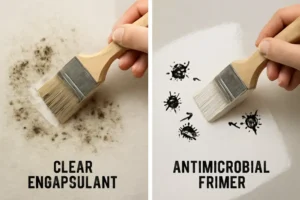
Once cleaning and rinsing are complete, use thermal fogging to carry a deodorizer into the same cracks, voids, and chases the smoke used. That is how you chase odor paths without opening every wall. After drying, lock in stains or trace odors behind finishes with an odor-blocking primer or clear sealer before new paint. Do not skip the cleaning and go straight to primer unless you enjoy repainting twice.
Where Ozone And Hydroxyl Fit In
Ozone has a place, but it is the scalpel at the end of surgery, not the chainsaw at the beginning. Only run ozone in unoccupied spaces, at controlled dosages, for limited cycles, and only after you have removed source materials and cleaned surfaces. Seal off sensitive items and remove rubber goods you can replace easily. Monitor as you would any other strong oxidizer. Hydroxyl generators can be used in occupied spaces depending on the machine and setup, and they are generally gentler on materials, but they are not a substitute for cleaning. Either tool should be the closer, not the whole game.
DIY Moves Before Pros Arrive
Ventilate with intention. Open windows on the downwind side and exhaust out with fans so you are not just circulating. Dry HEPA vacuum surfaces before you wipe. Use degreasers designed for soot and smoke, not bleach. Bleach plus soot equals smears and surface damage. Skip the vinegar. It is an acid that can fix stains into porous paint and does little to protein soot. Launder clothes and linens with enzyme detergents and repeat cycles until the odor is gone. Replace HVAC filters immediately and again after a few days of run time. Do not power up questionable electronics until they are inspected and dry. And for the love of your gaskets, park the ozone cannon until after cleaning is done and the space is unoccupied.
When To Call A Pro
If odors keep coming back after normal cleaning, if your HVAC smells smoky when it runs, if you see cracking or tacky plastics, or if electronics started acting weird after ozone, bring in specialists. Ask if they follow IICRC fire and smoke restoration standards, run HEPA air scrubbers during cleaning, and match chemistry to residue types. Ask how they validate results, like post-clean visuals, odor checks, or particle counts. If they plan to fog or ozone first, keep shopping. Price ranges vary by region and scope, but professional deodorization can include cleaning, textiles care, HVAC work, fogging, sealing, and yes, sometimes controlled ozone or hydroxyl. You are paying for process and proof, not just a machine and a timer.
FAQ
Is Ozone Safe To Run While I Am Home?
No. Ozone is an irritant at levels commonly used for deodorization. Run it only in unoccupied spaces with pets and plants removed, and ventilate thoroughly before reentry. Follow the manufacturer’s instructions to the letter or skip it.
How Long Does Ozone Linger After A Treatment?
Ozone itself decays back to oxygen relatively quickly once the machine turns off, usually within minutes to a couple of hours depending on conditions. What lingers are reaction by-products and materials it altered. If the air smells sharp or chemical after airing out, you likely overdid it or skipped cleaning.
Can Ozone Ruin A Fridge Gasket?
Yes. Fridge and freezer gaskets are classic ozone casualties. They lose elasticity, crack, and stop sealing, which makes compressors work harder and wastes energy. If a fridge starts sweating or cannot hold temperature after ozone use, inspect the gasket first.
Will Insurance Cover Ozone Damage?
Policies differ. Many carriers cover fire and smoke damage but can push back on secondary damage from improper cleaning methods. If you are filing a claim, document dates, photos, receipts, and the steps you took. Pros who follow recognized standards and provide documentation make claims a lot smoother.
Is Hydroxyl Better Than Ozone?
Different tools, different risks. Hydroxyl generators can be safer for occupied use when properly set up and are generally kinder to materials, but they still work best after cleaning and source removal. Neither tool replaces physical and chemical cleaning.
How Do I Test For Hidden Ozone Damage?
There is no single home test, but you can inspect likely targets. Flex a door gasket and look for surface cracking. Rub a cotton swab on contacts and check for unusual oxidation. Note any yellowing or tackiness on plastic controls and remotes. If electronics act unpredictably after ozone use, get a technician to inspect.
How Long Should Real Deodorization Take?
That depends on the size of the loss and the type of residue. A light smoke cleanup in a few rooms might wrap in a couple of days once cleaning begins. A protein fire across a full kitchen and connected spaces can take a week or more including textiles, HVAC work, fogging, and sealing. The right pace is the one that leaves no odor behind.
Do I Need To Replace Ducts?
Not always. Metal ducts are often cleanable with proper agitation and negative air. Flex ducts that are heavily contaminated or older and fragile are usually better replaced. If the air handler or coil is sooty, that needs cleaning too, or the system will keep sharing the smell with every cycle.
What Should You Do Next?
If you have already run an ozone generator and you are seeing the red flags, stop and assess. Prioritize material-safe odor removal: real cleaning with the right chemistry, targeted HVAC decon, and then controlled deodorization techniques like thermal fogging. Use ozone with restraint, not bravado. If you have not started yet, skip the big blue box altogether until after cleaning, and if you do decide to use it, keep people, pets, and plants out, pull rubber goods you care about, and keep exposure tight and tracked. The best deodorization job is the one that makes your house smell like nothing at all and still works six months from now.