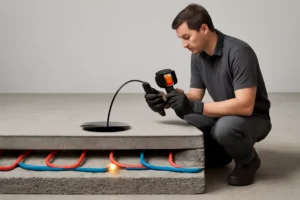
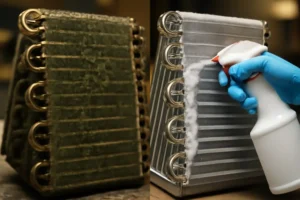
Rubber washer hoses are sneaky little saboteurs. They sit quiet behind the machine, age in the dark, and then one day they split with all the drama of a busted fire hydrant. That is not a vibe you want on laundry day. A burst supply line can push hundreds of gallons of clean water per hour across your floors, under walls, and straight into the kind of repair bill that makes insurance adjusters squint. Swapping those tired rubber lines for braided stainless washing machine hoses, adding a washing machine automatic shutoff valve, and parking the washer in a drip pan with a leak sensor turns a common disaster into a shrug. Small upgrade, big save.
Why hoses fail
Washing machine supply lines take a beating. They live in a hot, cramped space, pressurized day and night, bent into awkward angles, and vibrated by every spin cycle. Old school black rubber hoses dry out over time and get tiny surface cracks that you cannot see without pulling the washer out. Those cracks are the weak points that expand with every water hammer thump when the solenoid valves snap shut. Temperature swings accelerate aging, hard water adds mineral crust to fittings, and tight bends near the valve can create kinks that weaken the inner wall. Even brand new rubber can fail early if it is jammed hard against the cabinet or cranked onto a corroded valve.
Pressure is the silent stressor in this story. City water does not care about your hardwood floors. It does not take much for a cracked line to let go and turn your laundry room into a splash pad. State Farm has written publicly about this, pointing out that a failed washer hose can release roughly six to eleven gallons per minute, which adds up to around six hundred to six hundred fifty gallons per hour. That is not a puddle, that is a short work day away from a first floor slip and slide. If you want the receipts, see the insurer’s own newsroom coverage of washer line losses and the gallons per hour reality they cite at State Farm.
Most of these failures give little warning. You might see a bulge where the hose meets the ferrule, or a faint mist when the washer fills, or you might see nothing at all. The first sign can be the sound of water where water should not be. Which brings us to the easiest fix you can make today.
Braided stainless hoses
Braided stainless washing machine hoses are the quiet hero upgrade. They use a tough stainless mesh jacket over a reinforced inner tube that resists pinholes and punctures far better than bare rubber. The braid also prevents kinking during installation, it handles vibration without fatiguing as quickly, and it looks like a product that wants to protect your floors instead of ruin them. These hoses are everywhere, from your neighborhood hardware store to big box aisles, typically with multiple year limited warranties and clear packaging that spells out pressure ratings and temperature ranges. For a sense of what to look for, check out a typical example from a major retailer like Home Depot. You will see common lengths, standard three quarter inch fittings, and braided stainless construction listed right on the page.
When you install them, you want clean, undamaged threads on the shutoff valves, fresh washer seats inside the hose ends, and enough length to avoid sharp bends. Hand tighten, then a gentle snug with a wrench. If the shutoff valves are stuck, corroded, or leak around the stem, stop and let a pro handle it. Braided lines are tough, not magical. They cannot compensate for a valve that is already failing. If you need help, our team can handle the whole setup from inspection to install, including new valves when needed.
Do not forget the calendar. Rubber hoses should be on a short leash, many pros tell customers to replace them every three to five years. Braided stainless lasts longer, but it still deserves a regular look. Make it a habit to peek behind the washer, feel for dampness at the fittings, and scan for any frayed braid or rust staining. We recommend you check hoses and install leak detection sensors as part of a simple monthly home walk through. Two minutes of prevention beats two weeks of fans and dehumidifiers.
Add automatic shutoff
A washing machine automatic shutoff valve is the next level defense that stops a small drip from becoming a giant mess. These devices watch for leaks and close the water in a hurry when something goes wrong. There are a few styles. One popular setup uses a motorized valve mounted on your hot and cold supply that listens to a small floor sensor. If the sensor gets wet, the valve closes both supplies and often sounds an alarm or sends a notification. Another style is an inline control that monitors flow patterns and closes when it senses abnormal use, like a constant fill that never shuts off.
If you want a concrete example, look at the Watts IntelliFlow type systems, which integrate a smart control and a leak sensor, and automatically shut the water to the washer when the sensor detects moisture. The product spec pages outline features like automatic close on sensor trip and compatibility with standard washer hookups. You can browse a sample listing at AF Supply to get a feel for the features. Pairing braided stainless washing machine hoses with this kind of automatic shutoff turns laundry day into a much safer activity.
Smart home fans can take this even further. Many valves now integrate with common hubs, so you can get a push alert on your phone if the floor sensor sees water, and you can close the valves from the couch or from a thousand miles away.
Drip pan and sensors
Beneath the washer is where gravity speaks. A sturdy drip pan catches the first splash from a hose seep, a loose drain hose, or a pump leak. If your laundry space has a floor drain or can be plumbed for one, choose a pan with a drain connection so small leaks trickle away safely. In second floor laundry rooms, a drain connected pan is a gift to your downstairs ceilings. Place battery powered or hardwired leak sensors in the pan and behind the machine near the supply valves. That way any drip at the fittings triggers a sound, a close command, or both if paired with an automatic valve.
We place sensors so they touch the floor, not just the pan, since water can sneak around the edge during a big line failure. Keep batteries fresh, test them twice a year, and replace any corroded sensors. For older houses and remodels, we love to blend these small upgrades into a bigger resilience plan.
What insurers cover
Home insurance is friendliest when the event is sudden and accidental. A supply hose that bursts out of nowhere usually fits that description. Slow drips over months do not. If an adjuster sees long standing damage, mold growth from a chronic leak, or clear signs that a failing hose was ignored, that claim can stall or get denied. Insure dot com has a plain language rundown that confirms this pattern and urges homeowners to correct known maintenance problems before they turn into claims. You can read more detail about leak coverage at Insure dot com.
Why bring this up in a post about hoses and valves. Because prevention helps twice. It lowers the chance of a mess, and it lowers the chance of a headache if something still goes wrong. Document your upgrades, keep receipts for the braided lines and the washing machine automatic shutoff valve, and snap a quick photo of your leak sensors in place. If you ever need to file, you can show that you did your part to protect the home.
Cost vs payoff
Let us talk money without making anyone queasy. On the prevention side, braided stainless washing machine hoses are affordable, sensors are modest, and a good automatic shutoff valve is still on the friendly side of a big purchase. On the damage side, costs climb fast once drywall, baseboards, insulation, and flooring get wet. Our team sees the full range. Some jobs are small. Others require full demo and rebuild. If you want local context, we keep a running guide on water damage repair costs so you can compare the price of a few parts against the price of fans, crews, and reconstruction.
Nationally, water damage sits near the top of homeowner claim categories. Even a short event can hit four figures once materials and labor enter the chat. That is before you factor in deductible, potential premium bumps, and the fun of living with loud equipment for days. By contrast, the prevention setup is a one time purchase with a long useful life and zero noise. One avoided laundry room flood can pay for the whole kit several times over. That is a deal any day.
Install tips that save headaches
Before you touch a wrench, close the existing shutoff valves and test that they actually stop the water by starting a fill cycle. If the machine still pulls water, the valves do not close fully. That is your cue to call in a plumber. When removing old hoses, expect water to spill; keep a towel and a small tray handy. Inspect valve threads for cracks, corrosion, or old sealant stuck in the seat. Replace the rubber washers inside the new hose ends if they look distorted. Do not overtighten the new connections. A light snug is plenty when the washer inside the swivel is fresh. After install, open the valves slowly and watch each joint for beading water while the machine fills. Run a full cycle while you are there, then look again. Keep the machine pulled out for a day while you confirm there are no sneaky drips on cold starts.
If you are adding a motorized shutoff, mount it where you can see it without gymnastics. Make sure the power outlet for the washer is not overloaded, and follow the manufacturer’s instructions for the leak sensor placement. Many sensors like to sit flat on the floor with the contacts facing down. If you want us to handle the heavy lift, our licensed techs can install the valve, hoses, and sensors, and they can correct sketchy shutoffs at the same time. Tap our plumbing repair and leak detection services to get it done right and fast.
Maintenance that actually works
Monthly visual checks do more than any fancy gadget. Look for bulges in the hose near the ferrule, rust staining at the weave, drips at the valve stem, or mineral crust around the swivel nuts. Feel the underside of each fitting. A dry joint is your friend. While you are back there, vacuum lint and dust from the wall and the machine vents; heat and dust are bad company. Test your leak sensor alarm so you know you will hear it over the dryer. Annually, operate the shutoff valves a few times so they do not seize in place. If a valve will not turn or it weeps around the stem when you move it, schedule a replacement.
When you take a vacation, close the supply valves to the washer. It is the easiest habit on this page and it costs nothing. If you have a smart valve, you can also close water to the machine from your phone. If your home is older, or the laundry is on a second floor, consider a whole home smart valve with paired sensors in critical areas.
Picking the right parts
For hoses, choose braided stainless that clearly lists pressure ratings, temperature range, and fittings that match the standard washer connections. Length matters. Too short forces tight bends behind the machine, too long can snag and kink. Many washers sit happily with five to six foot hoses, but measure your space. Choose brands that offer a clear warranty and include fresh washers in the bag. If the product looks flimsy, it probably is. For a sense of common specs and warranty language, review a mainstream product listing like this example and look for similar details in your final pick.
For the washing machine automatic shutoff valve, look for a model that closes both hot and cold, pairs with a floor sensor, and offers manual override. If you like app control, make sure the device talks to your preferred smart platform and that it sends alerts even when you are out of town. A valve that fails closed is a nice trait. Some systems also require the washing machine to be on for water to flow, which adds another layer of safety. If this sounds like jargon, call us and we will spec it for you based on your laundry layout and your city water pressure.
For landlords and managers
If you own rental property, braided stainless washing machine hoses and automatic shutoff valves are cheap risk control. Tenants do not think about hose age or valve condition. They do laundry, then get on with life. A leak that runs all day while a tenant is at work can take multiple units out of circulation. The fix is simple. Standardize on braided stainless in all units, add drip pans with sensors, and tie sensors to an audible alarm or a building wide alert. Post a simple checklist on the laundry wall so tenants know to close the valves when they leave for extended trips. Your future self will thank you.
What to do if water is already flowing
If prevention slips and you hear water where you should not, act fast and keep it safe. If you can reach the shutoff valves without stepping into standing water, close both hot and cold. If you see sparks, smell smoke, or the water is near outlets, step back and cut power at the breaker before you move closer. When the flow stops, move items that can be saved, start blotting small puddles, and open windows if weather allows. Then bring in your pros. Our team can advise you on what to do after water damage and we respond fast with extraction, drying, and repair. If a valve failed or the hoses are toast, we can fix that part too so the problem does not come back.
A quick homeowner checklist
Start with braided stainless washing machine hoses, not rubber. Add a washing machine automatic shutoff valve with a floor sensor. Set the washer in a drip pan, and use a pan with a drain if your space allows it. Place a second sensor near the supply valves. Inspect monthly for damp fittings, frayed braid, or rust staining. Test the sensor alarm on a schedule and swap batteries before they die. Close the washer valves whenever you leave town. For a wider set of smart habits that protect your home, see our guide to check hoses and install leak detection sensors in key areas.
Why this small upgrade punches above its weight
Water goes where it wants and it does not ask permission. Laundry rooms are full of places for that water to hide. Under cabinets. Behind baseboards. Inside wall cavities. Down through subfloors and into the ceiling below. A pair of braided stainless washing machine hoses is a simple mechanical answer to a common mechanical weakness. An automatic valve adds a little brain to the brawn. A drip pan and sensor give you a last line of defense and a loud voice to get your attention. The end result is a laundry room that behaves even when something fails.
We see the ugly version of this story all the time. Buckled flooring. Swollen trim. Musty carpet. Warped cabinets. Dehumidifiers humming at two in the morning. You do not need that main character energy in your week. Swap the hoses, add the valve, place the sensor, and carry on. If you want a hand with any or all of it, call us. We install the gear, we back it up with proper plumbing repair, and if the worst happens, we show up with extraction trucks and a plan.
FAQ
How often should I replace washing machine hoses?
Rubber hoses should be swapped every few years, many pros say three to five, because rubber ages even if it looks fine. Braided stainless washing machine hoses last longer and stand up better to pressure and heat, though they still deserve regular inspection. Make monthly checks part of your routine, and replace any hose that shows fraying, rust staining, or damp fittings. For a simple maintenance list that covers hoses and sensors, see our advice to check hoses and install leak detection sensors.
Will my insurance cover a burst hose?
Often yes when the event is sudden and accidental. A hose that pops without warning generally qualifies. Damage from a slow leak that was ignored can be a different story. Insurers may deny claims if the evidence shows long term neglect. Read your policy and talk to your agent so you know your coverage. For a plain language overview, review the guidance at Insure.com.
Are automatic shutoff valves worth it?
Absolutely. A good washing machine automatic shutoff valve can stop hundreds of gallons from ever hitting your floor. Preventing one flood pays for the valve and then some. Many models add phone alerts and smart features, which helps if a leak happens when you are away.
Do I still need a drip pan if I have sensors and braided hoses?
Yes, because water follows gravity and a pan buys time. Sensors plus a pan are a great combo. The pan catches first leaks, the sensor yells for attention, and a smart valve can close the water. That is a triple play that turns a potential disaster into a cleanup towel.
Can I install this myself or should I call a pro?
Many homeowners can replace hoses and place sensors, but stuck valves, old plumbing, or tight spaces make it easy to cross the line from handy to risky. If you want it done fast and clean, or if you need new shutoff valves, let us handle it. We offer full plumbing repair and leak detection services, and we can set up the valve and sensors during the same visit.
Ready to stop laundry room floods
Swap out those fading rubber lines for braided stainless washing machine hoses, add a washing machine automatic shutoff valve that listens to a floor sensor, and drop the washer in a good pan. That trio takes the drama out of laundry day. If you want help picking parts or installing them, we can handle it. If you found this post because a hose already let go, start with shutting off the water, get power safe, then call us. We will stabilize, dry, and rebuild, and we will help you retrofit so it does not happen again. For questions about pricing and scope, check our guide to water damage repair costs, and for fast plumbing help, go straight to our plumbing repair and leak detection services. You handle the laundry, we will handle the water.