Indoor water features look classy until the water turns into a petri dish that perfumes your living room with eau de swamp. If your wall cascade is misting your drywall, fogging your windows, and growing a slick little ecosystem, you’re not relaxing next to a spa. You’re running a humidity generator with free mold spores. Here’s the practical, slightly blunt guide you asked for: real-world wall cascade biofilm control, tight fountain splash containment, airflow that actually moves moisture out, and sanitation routines that don’t take your whole Saturday. I own a restoration company. I see where these pretty things go sideways. Let’s keep yours stunning and not secretly soaking your house.
What Biofilm Really Is
Biofilm is that slimy film that sticks to wet surfaces. It’s a mix of bacteria, fungi, algae, and their sticky protective matrix, which makes it tougher than it looks. In a wall cascade, aerosols from splashing water spread microbes into the air. When biofilm establishes, it shields pathogens and helps mold grab hold of nearby damp surfaces. That’s how you go from soothing trickle to mystery odor with a side of coughs.
Health-wise, biofilm can aggravate allergies and respiratory issues. And if conditions are right, decorative water features can support bad actors like Legionella when water is warm, disinfectant is low, and the system stagnates. The CDC’s decorative fountain guidance is clear: monitor disinfectant routinely, clean if you see slime or cloudy water, and avoid leaving features idle for long stretches. You can find their module on decorative fountains at cdc.gov.
Why Wall Cascades Get Slimy
Wall cascades look sleek because water sheets over glass, tile, or stone. The same design also gives microbes a huge contact surface and plenty of oxygen. Add a warm pump, a splashy landing zone, and dust or skin oils that drift in and become food, and you’ve got easy biofilm real estate. If your splash zone wets drywall, baseboards, or trim that aren’t sealed, those materials stay damp and cool, which is perfect for mold. We routinely find hidden mold behind discolored paint, under veneer stone, and inside wall cavities whenever water lingers for 24 to 48 hours.
Musty smells, peeling paint, or darkening around the cascade edges are early warnings. For examples of sneaky mold hideouts, see our post on hidden mold. The takeaway: if water is leaving the feature’s basin and wetting anything porous, you’re feeding a problem you can’t see yet.
Fountain Splash Containment
If water leaves the basin, it’s not a feature. It’s a sprinkler. Controlling splash is the first line of defense against mold and biofilm spread, because splash creates wet surfaces and airborne droplets. Smart fountain splash containment starts with a basin that’s big enough to catch the drop, a clean laminar sheet of water, and edges that send drips back where they belong.
Here’s how to dial it in:
Set the flow for your surface. High flow looks dramatic but breaks into droplets, which bounce and mist. Start lower, then inch up until the sheet holds together without spitting. If you installed a weir, keep it dead level and free of scale so the sheet forms cleanly. On rough stone, expect more break up. If your heart is set on textured stone, plan for more cleaning and a slightly slower flow.
Resize or retrofit the catch. The basin should extend past the splash line. If it doesn’t, add a discreet lip, a gutter channel, or a narrow secondary catch tray that drains back to the main basin. A slim stainless or acrylic overhang at the bottom edge can pull the sheet down and reduce rebound.
Smooth edges stop ricochet. If the bottom transition is sharp, water breaks and sprays. A rounded nose or a drip edge that aims the flow back toward the basin tames splash. On DIY builds, a silicone or urethane bead can improvise a gentle return contour. Check it every few months.
Use baffles you cannot see from the couch. Transparent splash guards, perforated acrylic screens, or a narrow mesh hidden near the landing zone can intercept stray droplets without ruining the look. Keep guards removable so you can clean both sides.
Protect nearby finishes. Even with good containment, an occasional rogue droplet happens. Install sealed baseboards, tile or waterproof wall panels on the adjacent surfaces, and a floor mat that can dry quickly. If drywall edges are exposed, you’re one season away from bubbling paint and spore central.
Airflow And Humidity Tuning
Water features change the room’s microclimate. If the air around your cascade is still, moisture clings to walls and condenses on the coldest surfaces. That’s where mold builds first. Keep relative humidity under 50 to 55 percent during operation. If you’re seeing 60 percent and up on a reliable hygrometer, add dehumidification or ventilation.
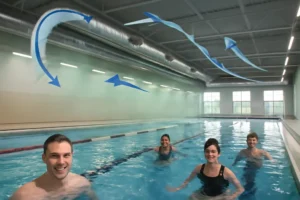
Place an ultra-quiet fan so it pulls damp air across the feature and toward a return or an exhaust path. The idea is gentle, continuous air movement, not a wind tunnel that blows the sheet apart. If your cascade is installed against an exterior wall or has a cavity behind the panel, make sure that void is vented at the top and bottom so warm, moist air does not stagnate back there. We harp on placement and airflow with humidifiers too, because device placement near cold surfaces invites condensation.
Use your HVAC smartly. Run the system fan in low continuous mode while the fountain operates, or schedule a dehumidifier cycle. In tight homes, a heat recovery ventilator can help purge humidity without tanking your indoor temperature. If you see condensation on nearby windows or walls, the air is already saying you need more airflow or less fountain run time.
Water Treatment That Actually Works
Start with better water. Distilled or reverse-osmosis water reduces mineral scale and the gunk that microbes love. Fewer minerals also mean fewer white crusts that roughen surfaces. Rough surfaces hold biofilm more stubbornly than mirror-smooth glass or polished metal. If you must use tap water, know your hardness and consider a prefilter to reduce particulates.
Keep water moving and fresh. Stagnation grows biofilm. Set the pump to run daily and circulate the full basin volume several times per day. If you will be away and the unit will sit idle for more than a couple of days, drain and dry it. Avoid warm idle water where droplets can aerosolize when you restart.
Add disinfectant correctly for your materials and occupants. The CDC’s decorative fountain module recommends maintaining a free chlorine residual, commonly 3 to 5 ppm in smaller features, to keep microbes in check. Test with strips at least weekly, and more often if your fountain gets heavy use. Keep pH in a neutral range recommended by the manufacturer so chlorine stays effective. If your feature uses natural stone like limestone or copper with no protective coating, check compatibility before chlorinating. Chlorine can discolor some stones and metals. Never mix chlorine with ammonia or acid cleaners.
Consider alternatives if chlorine is a nonstarter. Low-dose copper ion controls algae, UV sterilizers reduce microbial load in the recirculation loop, and enzyme or polymer treatments can interfere with biofilm sticking to surfaces. Follow label directions and understand they work best as part of a system that also includes filtration and regular cleaning. If you have pets that drink from the fountain, avoid chemical additives or fence off the feature. Even low levels of disinfectant are not pet water.
Use filtration and keep it clean. A small inline or drop-in filter that grabs fine particulates reduces the food supply for microbes. Rinse or replace filters on schedule, because a clogged filter becomes a biofilm hotel.
Watch the temperature. Legionella grows best between roughly 77 and 113 degrees Fahrenheit. You do not want warm, stagnant water. Keep pumps properly ventilated, avoid hot accent lighting close to the water, and let the basin cool overnight.
Cleaning Routines That Do Not Stink
If you see slime, cloudiness, or smell something funky, you do not need a lab test to know it is time to clean. The key is to keep on top of it before gunk hardens into scale or a sticky matrix. Cleaners should match your materials. Glass and stainless tolerate dilute chlorine solutions. Natural stone often prefers specialty stone-safe cleaners or diluted white vinegar if the stone is not acid sensitive. Always test a small spot first.
| Task | Frequency | Notes |
|---|---|---|
| Skim debris, check water clarity and odor | Daily when running | Top off with distilled water as needed |
| Wipe the cascade surface and basin rim | 2 to 3 times per week | Use microfiber that does not shed; avoid abrasive pads |
| Clean prefilter and pump intake | Weekly | Unplug first; rinse until flow is strong again |
| Test and adjust disinfectant residual | Weekly | 3 to 5 ppm free chlorine if approved for your unit and materials |
| Drain, scrub, and disinfect basin | Monthly | Soak removable parts; rinse until no odor remains |
| Deep descaling and seal inspection | Quarterly | Remove mineral crusts; re-seal porous stone if used |
How to do a monthly reset without dreading it: unplug the unit, drain the basin completely, and remove any filters or weirs you can access. Scrub the basin and water-contact surfaces with a soft brush and a cleaner approved for the material. For most glass or stainless units, a dilute chlorine solution applied to clean surfaces for 10 minutes will do the heavy lifting. Rinse like you mean it, refill with clean water, prime the pump, and test disinfectant levels once the system is running. If you run alternative biocides, follow the manufacturer’s instructions for contact time and rinse steps.
Materials And Finish Choices
Biofilm sticks best to rough, porous, or pitted surfaces. If you are still choosing a cascade, pick non-porous and easy-to-clean finishes: tempered glass, glazed tile, sealed stainless or powder-coated aluminum. Natural stones like limestone and travertine look great but are high maintenance. If you use them, seal them on schedule and expect more frequent wiping and gentler cleaners.
Avoid letting sealants become the weak link. Failing silicone joints trap moisture and feed hidden growth. Inspect joints quarterly and re-seal at the first sign of peeling or black spots at the edges. Where possible, choose mechanical drip edges and formed parts over big blobs of sealant.
Behind The Wall Matters
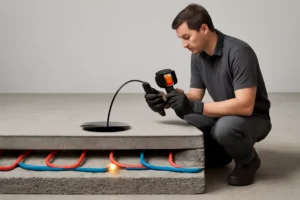
Your wall cascade is not just the pretty face. The cavity, substrate, and floor all decide whether the feature stays friendly or starts a mold remodel behind your back. A waterproof backer board or membrane, a pan or trough that actually holds overflow, and a way to get air into the void all help. Cementitious backer boards beat paper-faced drywall anywhere water can wander. If you inherited a unit mounted straight to drywall, you are on borrowed time. At minimum, install a waterproof panel system between the fountain and the wall.
Create a serviceable base that can dry out. A slightly pitched pan that returns seepage to the basin is better than a flat mystery box. Add an access panel for pump and plumbing. If you can, include a leak alarm in the cabinet or base. And while I am not your electrician, GFCI protection is nonnegotiable when you mix water and pumps. If something leaks and soaks building materials, dry and disinfect within 24 to 48 hours. If you wait longer, you are probably calling someone like me for removal and remediation. Here is a quick refresher on why fast action matters after water intrudes: after a flood.
When Odors Mean Stop And Clean
Odors, cloudiness, or a slick feel on surfaces are your early warning sirens. If anyone in the space starts coughing more when the fountain runs, shut it down and service it. The CDC’s fountain guidance says clean and disinfect when you see visible biofilm or smell foul odors, not later. Do not mask smells with essential oils. Oils coat surfaces, gunk up pumps, and feed biofilm.
If the feature sprays outside the basin no matter how much you tune it, or if you uncover mold growth on nearby finishes, you are out of DIY territory. Biofilm inside pumps and hidden cavities can reseed growth after every cleaning. That is where a restoration or specialty fountain service comes in to charge, flush, disinfect, and correct the design issues that keep wetting your walls. If you suspect hidden mold behind the cascade or under the flooring, start with an inspection. We lay out some likely hideouts here: hidden mold.
What About Running It At Night?
Let the room rest. Unless your unit is designed for 24-7 operation with active dehumidification, run times should match when you are around to enjoy it. Overnight, the air cools, relative humidity rises, and you get more condensation on cold surfaces. Set a schedule that cycles the pump daily so water does not stagnate, then shuts off during sleep hours. If you do run it overnight, offset the moisture with a dehumidifier nearby and verify your morning RH is still under 55 percent.
FAQ
Can I just use vinegar to keep the fountain clean?
Vinegar helps with mineral scale and light film on some materials, but it is not a broad disinfectant. On glass or stainless, a vinegar wipe followed by a dilute chlorine rinse gives you both descaling and sanitation. Avoid vinegar on acid-sensitive stones unless the manufacturer says it is safe.
How often should I drain and refill?
For most indoor cascades that run daily, a full drain and scrub monthly keeps things in shape. If your water is hard, you have pets, or the feature runs heavy hours, plan on every 2 to 3 weeks. If the unit sits unused for more than a couple of days, drain it and let it dry, then restart with fresh water.
What chlorine level should I target?
If your materials and manufacturer allow chlorine, the CDC suggests maintaining a free chlorine residual. Many small decorative features land in the 3 to 5 ppm range. Always verify with your unit’s manual, test with strips, and keep pH in a neutral range to help chlorine work. Do not use chlorine if it will damage your finishes or if pets drink from the water.
Are UV systems worth it?
UV helps by inactivating microbes as water passes the lamp, but it does not clean surfaces already coated with biofilm. Think of UV as a strong supporting player along with filtration and routine cleaning. You still need to wipe, brush, and disinfect surfaces.
Is softened water the same as distilled?
No. Softened water trades calcium and magnesium for sodium or potassium, which reduces scaling but does not remove dissolved solids like distilled or reverse-osmosis water does. Distilled or RO water is better for minimizing scale and keeping surfaces smooth and easy to clean.
Can I add essential oils to the basin?
Skip it. Oils foul pumps, feed biofilm, and can interact badly with disinfectants. If you want scent, keep it out of the water feature. Use a separate diffuser, placed away from your cascade and cold surfaces.
Do I need to run the pump all day?
You need daily circulation to prevent stagnation, but not nonstop operation unless you have humidity control in place. Use a schedule that runs the pump several times a day for turnover. During runs, monitor humidity. If RH creeps over 55 to 60 percent, increase airflow or shorten cycles.
Quick Setup Checklist
Use a larger basin or add a hidden catch so splash goes back to the water, not your wall. Set pump speed for a smooth sheet, not a mist maker. Choose non-porous finishes and keep edges rounded or fitted with a drip return. Vent the cavity behind the feature and move air gently across the surface. Keep indoor RH under 50 to 55 percent while running. Fill with distilled or RO water, filter it, and maintain disinfectant if compatible. Wipe surfaces a few times a week, clean the filter weekly, and drain-scrub monthly. Shut it down and service it at the first whiff of funk.
If you are already fighting recurring slime or suspicious stains creeping along the wall, it is time to look beyond the basin. Call a pro to check behind the feature, chase leaks, and dry what is wet before it turns into a renovation you did not plan for. We do this every day, and yes, we still like water features. We just like them clean, contained, and quiet about it.