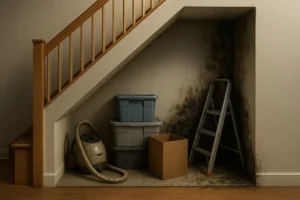
Soot webs look like your house threw a Halloween party without inviting you. Those sooty, stringy clumps in corners, creeping along ceiling lines, and hugging HVAC registers are not spider webs that caught fire. They’re combustion residue that rode air currents, hit cooler surfaces, and clumped up into smoky spaghetti. If you’ve found them after a kitchen incident, candle flare-up, or a full-blown fire, this guide breaks down what they are and how pros remove them without smearing, streaking, or leaving that stubborn smoke funk behind. Soot webs decoded: why they form in corners and HVAC, and how pros use containment, HEPA, chemical sponge cleaning, detergents to stop odors.
What Are Soot Webs?
Soot webs are networks of fine carbon particles and sticky combustion byproducts that tangle together in the air and settle in predictable places. The soot is ultrafine, often polar or slightly charged, and it clings to dust, wax aerosols from candles, vaporized oils from cooking, and plasticizers from melted synthetics. When the air cools or swirls in a corner or around a register, those particles meet and mingle, forming strings that look suspiciously like spider silk. Real spiders do not speed knit after a fire, and those wispy ropes you see in clusters are usually soot formation patterns called soot tagging or ionization soot.
You’ll often see webs thickest where smoke had extra time to hang out. Corners, ceiling-to-wall joints, and the edges of crown molding are common. So are intake returns and supply registers, because the blower can pull soot in, warm it, then push it back out where it condenses on the first cool surface it meets. Light fixtures and the upper reaches of stairwells are prime targets too, especially if the bulbs were on during the event. Heat plus soot plus airflow is the perfect recipe for that grim, gray cotton candy.
Why Do Soot Webs Pick Corners And HVAC?
Smoke travels with heat and pressure, then follows airflow once the temperature evens out. Corners are where air slows down, forms eddies, and drops its cargo. That turbulent slowdown lets soot clump. The same thing happens in long hallways that act like wind tunnels, at soffits where warm air rises then stalls, and at doorways where a pressure difference pulls smoke from one room to the next.
HVAC adds rocket fuel to the problem. If the fan kicked on during or after the fire, it likely sucked soot through returns, coated the filter, and sent particulates into ductwork. Warm, moving air keeps soot airborne longer. Then, as it blasts from a register into cooler room air, the soot falls out and sticks to nearby surfaces. Result: soot webs that seem to grow from vent faces, grille edges, and the first foot or two of ceiling around them. Until the HVAC is inspected and decontaminated, you can clean a room twice and still get re-tagging that makes you want to scream.
Why Soot Webs Are Tough To Remove
Not all soot is equal. Dry soot from clean-burning paper and wood can be powdery and more forgiving. Synthetic soot from plastics, vinyl, and rubber is oily and acidic. Protein soot from burned food is thin, nearly invisible, and brutally smelly. Each type bonds to surfaces differently. Hit dry soot with water first and you make an instant black watercolor that sinks into paint. Attack protein soot with the wrong cleaner and the odor laughs at you for weeks. Add in the static cling and you’ve got residue that resists quick fixes and punishes shortcuts.
The trick is sequencing. Pros always remove loose particles first, then lift bonded soot gently, then chemically break down what remains. If you reverse the order, you push contaminants deeper, smear, etch metals, cloud plastics, or lock in odors. That’s why you’ll hear us harp on HEPA vacuuming and chemical sponge cleaning before touching a wet rag.
The Pro Cleanup Plan
Here’s how we handle soot webs and the residue behind them without turning your walls into a charcoal finger painting. It’s method over muscle, start to finish.
Step 1: Containment And Prep
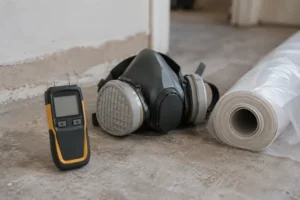
We shut down the HVAC so we don’t re-launch soot into freshly cleaned rooms. Doorways, openings, and vents get sealed with plastic and tape to control cross-contamination. Floors and high-touch surfaces get covered. If the loss is larger or odor is heavy, we set up negative air machines with HEPA filtration to keep particles moving in the right direction: out. Containment protects the clean from the dirty, and it keeps us from chasing our tails all day.
Step 2: HEPA Vacuuming
HEPA stands for High Efficiency Particulate Air, which is fancy speak for filters that trap very small particles. We vacuum ceilings, corners, vent faces, and top-down across walls with soft-brush attachments. The goal is to collect the loose layer, not grind it in. This is the most underrated step in fire cleanup. Skip it and the rest of the job gets three times harder. Do it right and chemical sponge cleaning is smoother and leaves fewer shadows.
Step 3: Chemical Sponge Cleaning
Chemical sponges, also called dry-cleaning sponges, are vulcanized rubber blocks that work like soot magnets. They lift residue instead of smearing it. We use light, even strokes in one direction, turning or slicing the sponge to expose a clean face as it loads up. Pressing harder isn’t better. Water is the enemy at this stage, and so are household degreasers. The goal is to remove as much soot as possible in a dry state. Done correctly, you’ll watch soot webs vanish and thin soot films come up in gray sheets, leaving a dull but cleaner surface ready for wet cleaning.
Step 4: Targeted Detergents And Degreasers
After the dry pass, oily or protein-heavy soot still wants a fight. This is where chemistry earns its keep. We match the cleaner to the residue and the surface. Alkaline surfactant cleaners or solvent-boosted detergents break down grease and synthetic soot on painted drywall, metal trim, and sealed cabinetry. Enzyme-backed cleaners help with that nasty protein smoke film from kitchen fires. We apply with microfiber or soft pads, allow proper dwell time, and agitate gently. The idea is to suspend the soils, not scour the finish.
Step 5: Neutralizing And Rinsing
Some soot types and many cleaners can shift surface pH. If you don’t neutralize and rinse, you risk corrosion on metals, haze on plastics, or sticky residues that attract dust and revive odors. We spot test pH, rinse with clean water or neutralizing wipes, then dry the area quickly with air movers. Drying fast limits streaking and keeps water from wicking soot deeper into porous materials.
Step 6: Odor Neutralization
Even when it looks clean, smoke odor can linger in microscopic pores and unreachable cavities. Masking scents won’t fix it. We use a layered approach: thermal fogging that mimics smoke behavior to reach hidden spaces, hydroxyl generators for occupied areas, and ozone only when spaces are empty and materials approve. Enzymatic deodorizers help break down odor-active compounds in protein soot. We also replace or upgrade HVAC filters and deodorize ductwork so the system stops acting like a smell sprinkler.
Step 7: Sealing And Paint
When a surface is clean but stained, or when faint odor still tries to creep out of porous materials, we prime with odor-blocking sealers designed for fire damage. Paint is not a deodorizer, so we never seal before cleaning. Once sealed and cured, finish paint goes on, and your walls stop telling the story of last week’s disaster.
Step 8: HVAC Inspection And Service
Ducts, coils, and blower compartments can hold a surprising amount of soot. We evaluate whether cleaning, sealing, or component replacement makes the most sense. Registers get removed and cleaned, duct interiors are agitated and vacuumed with HEPA machines, and accessible components are addressed so the system passes a sniff test and visual check. If your ducts keep shedding, you’ll keep seeing soot webs. This step closes the loop.
Chemical Sponge Cleaning: How Pros Do It
Chemical sponge cleaning isn’t glamorous, but it’s the MVP of soot web removal. The sponges are dense blocks of vulcanized rubber with enough tack to grab soot without smearing it. Here’s how we keep it clean and controlled.
We start on ceilings and high corners and work down, because gravity always wins. On flat paint, we use light, straight passes in one direction. On textured surfaces, we dab or blot rather than rub to avoid shredding the sponge. As the face loads up, we quarter-turn the sponge. When every side is dirty, we slice a thin layer off to expose new material. That keeps each pass picking up soot instead of pushing it.
We never wet a chemical sponge. Water ruins the tack and turns soot into sludge. We also avoid harsh pressure that drives soot into pores. On glossy trim, we test an inconspicuous area first to confirm we won’t haze the finish. If the soot is protein-heavy or very sticky, we still start dry to remove what we can, then shift to targeted wet cleaning that’s surface-safe.
People often ask if melamine pads can replace chemical sponges. Melamine is a micro-abrasive. It’s great for scuffs on hard surfaces, but on soot it can burnish paint or create clean burn-through spots that look worse than the smoke. Save melamine for after soot removal, if at all, and only when the finish can handle abrasion.
Soot Types And What That Means For Cleaning
Knowing your enemy helps. Dry soot from paper and clean wood is gray and fluffy. It lifts beautifully with HEPA and chemical sponge cleaning, then washes with a mild alkaline cleaner. Oily or synthetic soot from plastics, rubber, and vinyl is sticky, often blacker, and can smear with a dirty gray sheen. It needs that dry pickup first, then a stronger detergent or solvent-boosted cleaner and a careful rinse. Protein soot from burned food is ultra-thin, yellow-brown, and its odor travels far. You might not see a heavy deposit, but it smells like a BBQ gone wrong in every room. Enzymatic cleaners help here, and sealing may be needed after thorough cleaning.
| Soot Type | How It Looks | Best First Moves | Follow-Up |
|---|---|---|---|
| Dry (paper, clean wood) | Gray, powdery, falls off surfaces | HEPA vacuum, chemical sponge cleaning | Mild alkaline wash, fast dry |
| Oily/Synthetic (plastics, rubber) | Black, sticky, smears easily | HEPA vacuum, gentle chemical sponge cleaning | Solvent-boosted or alkaline detergent, neutralize and rinse |
| Protein (kitchen, meat, oils) | Thin, yellow-brown film, strong odor | HEPA vacuum where possible, chemical sponge cleaning | Enzymatic or specialized cleaner, deodorize, seal if needed |
Surface-Specific Tips That Actually Work
Painted drywall is the usual victim. Flat paint grabs soot, while semi-gloss is kinder. On flat paint, stick to feather-light chemical sponge passes before any wet cleaning. On semi-gloss and gloss, you have a little more forgiveness, but test cleaners and avoid over-scrubbing that dulls the sheen. For woodwork, work with the grain, go dry first, then use a cleaner rated for finished wood. Unfinished wood may need sanding and sealing after cleaning because soot soaks in fast.
Brick and stone are porous, so they hold odor. After vacuuming and chemical sponge cleaning, a masonry-safe alkaline cleaner can help, followed by thorough rinsing and fast drying. Some fireplaces need a poultice or specialty smoke remover to pull soot from deep pores.
Acoustical ceiling tiles are almost impossible to restore to pre-loss appearance once they absorb soot and odor. Replacement is usually faster and cheaper than chasing stains. For textiles and soft goods, start with HEPA vacuuming using upholstery tools and controlled passes. Many fabrics need professional laundering or specialty deodorization. Resist the urge to throw everything in the washing machine right away. Soot can redeposit and set, and protein odor can survive a normal cycle.
Electronics are a special case. Do not power them on before inspection. Soot and acidic residues can short boards and corrode contacts. Proper restoration uses ESD-safe HEPA vacuuming and targeted cleaning with approved solvents by a tech who knows what not to touch. Sometimes replacement beats repair, especially if the device inhaled a synthetic-plastic burn.
Odor Control That Doesn’t Fake It
When a space smells smoky long after it looks clean, residue is still around or the HVAC keeps sharing the love. We target the source first. Hidden cavities like behind cabinets or inside hollow-core doors sometimes need fogging or access for cleaning. Thermal fogging recreates the particle size and behavior of smoke, which helps neutralizers reach the same places soot did. Hydroxyl generators run with occupants present and steadily break down odor compounds. Ozone works, but only in unoccupied spaces and only when used correctly, because it can degrade some materials. No, that citrus spray from the grocery store won’t beat a kitchen protein fire. It just adds fruit notes to the barbecue.
HVAC: Silent Partner Or Serial Re-Contaminator?
If your soot webs hug vents and keep coming back, the system needs attention. We pull registers, check returns, examine the blower compartment, and look for visible soot in ducts. A proper cleaning agitates dust and soot inside the ducts and extracts it with HEPA-filtered vacuums, then addresses the coil and housing. Leaky ducts can pull soot from wall cavities and attics, so sealing and repair might be part of the fix. New filters are a must, and sometimes upgraded filtration makes sense for a few months after a loss. We finish with a visual check, an odor assessment, and, if needed, particle or VOC screening to confirm we’re not leaving a ghost in the machine.
Common Mistakes That Make A Bigger Mess
Grabbing a wet rag first is the king of bad moves. It turns removable soot into embedded stains. Running the HVAC while soot is loose spreads contamination. Using bleach on soot is another classic mistake. Bleach doesn’t remove carbon and it can discolor finishes while doing exactly nothing for odor. Over-scrubbing with abrasives digs soot into paint, and pressure washing masonry can force soot deeper. Spraying fragrance and calling it a day just guarantees you’ll smell smoke plus fake flowers tomorrow.
DIY Moves You Can Safely Tackle
There’s smart DIY, and there’s smoke-painted disaster. Smart DIY starts with shutting off the HVAC, changing the filter, and taping a clean filter media over returns until service. Pick up a real HEPA vacuum, not a paper-filter shop vac, and gently vacuum loose soot from floors and hard surfaces. If you’re confident and the area is small, chemical sponge cleaning on painted walls and ceilings can help, but test first and keep strokes light. Bag and remove loose debris from the room, and store porous items you can’t clean right away in sealed bins so they don’t share their aroma with the rest of the house. For anything more than a minor incident, especially sticky soot or protein odor, bring in a restoration crew that lives and breathes this work.
When Should You Call A Pro?
Call if soot webs show up in multiple rooms, if the odor reaches spaces far from the source, or if the HVAC clearly joined the party. If you see yellow-brown film that laughs at Windex, that’s protein soot and it needs the right chemistry. If plastics burned, expect sticky, acidic soot that can etch metals and haze clear finishes fast. Large ceiling areas, high or textured surfaces, and historic finishes also push the job into pro territory. Ask about IICRC-certified fire and smoke technicians, and if ducts are involved, a provider experienced in HVAC decontamination. A good team will walk you through containment, HEPA, chemical sponge cleaning, wet cleaning, deodorization, sealing, and system service, then prove the result with sight and smell, not just a spray bottle of citrus.
FAQs
Are Soot Webs Actually Burned Spider Webs?
No. They look like webs, but they’re soot particles that clumped in corners and near vents. Real webs burn away or get coated. What you’re seeing is smoke behavior preserved as dusty streamers.
Why Did Soot Webs Appear Days After The Fire?
Residual soot in the air and HVAC can keep settling, especially as humidity and temperature change. Every time the system runs or a door slams, a little more drops out in the same high-deposition zones.
Can I Just Paint Over Soot?
Painting over soot is a fast way to trap stains and odors that bleed through. Clean first, deodorize, then use an odor-blocking primer designed for fire residue. Only paint after surfaces are dry and neutralized.
What’s Special About Chemical Sponge Cleaning?
The sponges are designed to lift soot without moisture, which prevents smearing and embedding. Used properly, they remove a big chunk of residue before any wet cleaning and set you up for better results.
Do I Need My Ducts Cleaned If Soot Webs Are Only In One Room?
Maybe. If the HVAC ran during or after the event, soot likely entered the system. We inspect and decide if cleaning or sealing is necessary. Skipping this step can cause re-tagging and lingering odor.
Will Ozone Remove Smoke Odor Safely?
Ozone can neutralize odor in unoccupied spaces when applied correctly, but it isn’t a silver bullet. It shouldn’t replace source removal and cleaning, and it can affect some materials. Hydroxyl and targeted deodorization are often better first choices for occupied homes.
If You’re Staring At Soot Webs Right Now
Kill the HVAC, resist the wet wipe, and start with HEPA vacuuming and chemical sponge cleaning in the heaviest web zones. If the area is larger than a small room, or the odor is strong and greasy, bring in a fire restoration team that follows a real sequence: containment, HEPA vacuuming, chemical sponge cleaning, targeted detergents, neutralization and rinse, odor control, sealing, and HVAC service. Do it in that order and you stop smearing, stop re-tagging, and stop living with yesterday’s smoke in tomorrow’s air.