If your basement or garage gym smells like old socks and wet dog had a meeting, you are not imagining things. Gyms are humidity factories. You turn on the heat with your body, you splash sweat, and you park thick rubber on cold concrete that secretly sweats from below. That combo traps moisture, blocks airflow, and hands mold a gym membership. I own a restoration company, so I have seen the under-mat horror shows. The good news is you can out-lift mold with smart flooring choices, a no-excuses drying routine, targeted basement gym dehumidification, and a few building fixes. Here is exactly how to make your home gym strong, not spongy.
Why Basement Gyms Grow Mold
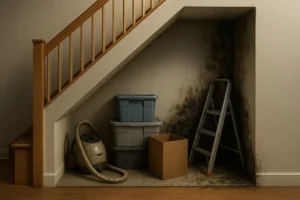
Basements and garages are the underdogs of your house. Concrete sits against damp soil and naturally wicks moisture. When the slab warms up with workouts or seasonal changes, it releases that moisture as vapor. Then you roll out solid rubber mats that block evaporation. Your sweat lands on top, humidity climbs, and airflow is typically garbage. Mold does not need much to get jacked. Give it moisture, something to grow on, and still air, and it can show up within 72 hours. It loves the dark zones under mats, behind racks pressed tight to walls, along cool foundation edges, and anywhere condensation forms on metal or concrete.
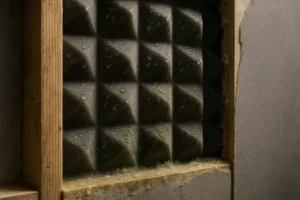
Common red flags include a musty odor that spikes after workouts, slippery or tacky mat undersides, chalk turning clumpy, rust creeping onto barbells, and fine speckling on drywall, wood, or foam pads. If your relative humidity hangs around 60 percent or higher, you are basically coaching mold.
Rubber Mats That Let Floors Breathe
I am not here to shame your 3/8-inch stall mats. They are tough and great for your joints. The issue is not rubber itself. It is rubber that creates a seal against concrete and refuses to let trapped moisture escape. That is where smart rubber gym flooring drainage comes in.
Choose mats that are designed to breathe. Look for a textured underside with dimples, channels, or buttons that create an air gap. That tiny gap lets vapor move and dry out instead of turning into a swamp. If you prefer a wall-to-wall rubber floor, use a breathable underlayment made for basements. Dimpled membranes and moisture-managing subfloor tiles are built to separate rubber from concrete so air can circulate. Think of it like arch support for your slab. Your knees and your nose will thank you.
A few quick rules that pay off:
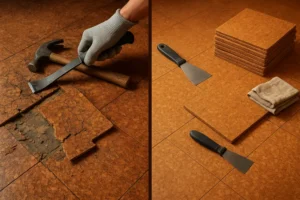
Keep tight seams to prevent sweat puddles up top and allow drainage underneath via the built-in channels. Pull up smaller tiles once a week and big rolls once a month for a five-minute inspection. If the mat underside feels slick or you see specks, clean it, dry it fully, then reset it. Skip sealing the mat perimeter with caulk unless a manufacturer specifically tells you to. You want controlled airflow, not a moisture terrarium. And never lay rubber directly on visibly damp concrete. Fix the moisture source first or put in a breathable subfloor system that supports actual rubber gym flooring drainage.
Post-Workout Drying That Works
Mold hates routines that steal its moisture. Establish a two-part habit: remove surface sweat fast and move air until dry. After each session, do the boring stuff right. Wipe mats, bench pads, and high-sweat zones. I like microfiber plus a cleaner rated for gyms or a mild soap solution for most rubber. Then run a fan for at least 30 to 60 minutes. Aim it low across the floor and behind racks. If you train on portable tiles or smaller mats, stand them on edge or roll them up between sessions so both sides can dry. Hang towels in a separate laundry zone, not on your squat rack in the coldest corner. If you can see any moisture on the slab or on the mat, it needs airflow until it is gone. No excuses.
Basement Gym Dehumidification
Your dehumidifier is the quiet closer that keeps humidity from spiking after you finish grunting. Target 45 to 50 percent relative humidity in your gym. That range keeps mold on the ropes without turning your basement into a desert. If you are consistently above 60 percent, you need to size up, improve drainage or airflow, or both.
Picking a unit is not just about square footage. Think volume. Measure the room’s cubic feet and consider how damp your basement runs year-round. Slightly oversizing helps because the unit will not have to work as hard to hit the setpoint. Place the dehumidifier where air can reach it from all sides, not jammed behind a rack. Run a drain hose to a floor drain or sink so it can operate continuously, especially during humid months. Clean the air filter monthly and keep the coils dust-free. If your basement stays below roughly 60 degrees, consider a desiccant dehumidifier that still performs well in cooler air, since many compressor units dip in efficiency when the temperature drops.
If your humidity rebounds as soon as you shut the unit off, keep it on continuous mode until the rest of your fixes start working. The goal is to flatten the daily humidity roller coaster that comes with intense workouts, showers, and seasonal shifts.
Ventilation That Actually Helps
Dehumidifiers pull moisture out of air that is already in the room. Ventilation gives wet air a way out and brings in drier replacement air when outside conditions allow it. For basement gyms, steady low-turbulence airflow beats random gusts. Start with a box fan or inline fan aimed to wash air across the floor and behind equipment. If you can add an exhaust fan, size it for the room. A simple rule of thumb is 4 to 6 air changes per hour for a home gym. Multiply your cubic footage by the air changes, then divide by 60 to get the target fan cfm. Keep intakes and exhausts clear so you do not short-circuit airflow.
On low-humidity days outside, crack a window or door on the opposite side of your exhaust to get real crossflow. In garages, open the main door a foot or two during and after workouts to purge humid air fast. Just watch outdoor conditions. Pulling in swamp air from outside will spike indoor humidity, so use a cheap hygrometer to read both inside and outside before you ventilate.
Stop Moisture At The Source
All the rubber gym flooring drainage tricks and dehumidifiers in the world will struggle if your slab is soaking up water like a sponge. Check your exterior drainage first. Gutters should be clear and downspouts should throw water 6 to 10 feet away from the foundation. Grade soil so it slopes away from walls. If you have a history of seepage, seal visible foundation cracks and consider an interior drain or sump if groundwater is chronic.
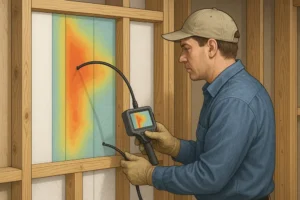
Inside, insulate cold surfaces that attract condensation. Foam board or rigid insulation on foundation walls, especially rim joists, can stop cold-surface sweating that drips behind your equipment. Wrap cold water lines. If you see persistent damp spots on the slab, test for moisture vapor before you add flooring. There are simple kits for that, or you can call a pro to measure it. If vapor drive is high, a dimpled membrane subfloor can lift the rubber off the slab and give vapor a pathway to dissipate.
Equipment, Storage, and Cleaning
Airflow is a team sport. Keep heavy racks and platforms a couple of inches off walls so air can move behind them. Do not bury your dehumidifier in a corner, and keep the fan path clear of boxes and gear. Skip carpet or foam puzzle mats that stay soggy when your humidity spikes. Choose closed-cell rubber and breathable underlayments instead.
Cleaning matters more than you think. Sweat, chalk, and dust are not just gross. They feed mold on porous materials and gum up dehumidifier filters. Wipe down gear after each use and do a weekly under-mat check. For rubber, use a mild neutral cleaner or a manufacturer-approved disinfectant. On concrete, if you have visible mold, a disinfectant cleaner works well. Bleach can be used cautiously on bare concrete only, never on rubber or metal, because it can degrade finishes and corrode equipment. For non-bleach options, 3 percent hydrogen peroxide solutions can work on non-porous surfaces. Always follow label directions and never mix chemicals.
Tell-Tale Signs You Have A Mold Problem
Put your nose to work. A musty smell after workouts that does not clear within a day is a classic sign. Use a hygrometer to check RH before and after exercise. If it sits high for hours, you have a moisture trap. Lift a mat. If the underside is slick or slimy or the concrete looks blotchy, that is an early mold party. Check wall-to-floor joints where the slab meets the foundation, especially behind equipment. Watch for fuzzy growth on unfinished wood and dark spotting that keeps returning after a wipe. If your barbell keeps rusting even with care, humidity is still too high.
When Should You Call A Pro?
Call a mold remediation pro if growth covers more than 10 square feet, if anyone in your household is reacting to the gym air, or if humidity sits above 60 percent even with a right-sized dehumidifier and better airflow. Call fast if water is entering through walls, cracks, or a failed drain system. Pros will find and fix the moisture source, dry the space with professional equipment, remove and treat affected materials, and set up containment so spores are not spread through the rest of your house. If you need help, our team does this all day. We locate the moisture, dry it down, and remove mold safely while keeping your gym usable as quickly as possible.
Quick Reference Settings
| Goal | Target | Pro Tips |
|---|---|---|
| Relative Humidity | 45 to 50 percent | If it sits above 60 percent, upsize dehumidification or improve drainage and airflow |
| Dehumidifier Run Time | Continuous during humid months | Use a drain hose, clean filters monthly, keep 12 inches of clearance around the unit |
| Fan Use After Workouts | 30 to 60 minutes | Aim low across mats and behind racks to speed evaporation |
| Mat Inspection | Weekly for tiles, monthly for large rolls | Lift, wipe, and let both sides dry before resetting |
| Ventilation | 4 to 6 air changes per hour | Size exhaust fan by cubic footage and keep a clear intake path |
Garage Gyms Need Extra Love
Garages swing hard with outdoor conditions. Summer brings humid air and winter brings cold surfaces that sweat the second you turn on a space heater. If you train in the garage, use breathable underlayment under rubber, park a fan across the floor every session, and run a dehumidifier on a drain. Do not let wet cars drip onto your lifting zone. Squeegee water to the door and pull mats up to dry if they get splashed. In winter, avoid blasting a heater onto icy-cold concrete without running the dehumidifier. That sudden warm-up can pull vapor out of the slab and fog your whole space.
A Simple Rubber Gym Flooring Drainage Plan
Here is the short version that actually works. Start with breathable separation between rubber and concrete using dimpled or channeled underlayment, or textured mats with built-in air gaps. Keep seams tight to prevent puddles. Give moisture a path to move under the surface and a way to escape with fans and regular lift-and-dry checks. Tie that together with a properly sized dehumidifier set to 45 to 50 percent. That combination gives you real rubber gym flooring drainage without turning your gym into a science project.
Troubleshooting Stubborn Humidity
If humidity refuses to drop, run down this checklist. Verify your dehumidifier capacity and placement. A 1,000 to 1,200 square foot basement often needs a 50 to 70 pint per day unit, sometimes more if conditions are wet or ceilings are high. Confirm the drain hose is not kinked and the filter is clean. Add a fan to stir air toward the dehumidifier intake. Check outdoor humidity before ventilating. If you are pulling in moist air, you are just feeding the beast. Inspect for hidden moisture sources like a sweating water heater, a leaky hose bib, or a dryer vent leaking into the space. Finally, scan your foundation and slab edges for seepage. If you find that, fix it first or bring in a pro to stop water at the source.
Cleaning Products That Do Not Sabotage You
Do not let your cleaner ruin your gear. Neutral pH cleaners are safe for most rubber surfaces. On concrete, disinfectant cleaners work well. If you need a stronger approach for non-porous items like metal or plastic, 3 percent hydrogen peroxide can help. Bleach belongs only on bare concrete if used at all, never on rubber or metal, and only with good ventilation. Read labels, never mix chemicals, and test a hidden spot before you go all-in. The goal is clean, dry gear, not pitted plates and peeling mats.
Where Mold Hides In Gyms
Mold likes the spots you forget. Under heavy platforms that never get moved. Along baseboards behind bumper stacks. In the shadow under cardio machines where sweat flings and never dries. On the backside of wall-mounted mirrors if the bottom edge stays damp. Behind drywall on exterior walls if there is ongoing seepage. On wood blocks used to level equipment. Even in foam rollers and sweaty yoga mats rolled tight in a cold corner. If something is porous and damp regularly, treat it like a banana in a gym bag. Do not let it sit.
What Pros Do Differently
When we handle a gym with real growth, we do three things in a focused sequence. We stop moisture. That might be drainage fixes, vapor control, or insulation to end condensation. We dry the space with professional dehumidifiers and high-velocity air movers placed to create a drying pattern under and around flooring. We remove mold safely with containment, HEPA filtration, and proper cleaning so spores do not relocate into the rest of your home. Then we help you set up prevention that sticks, like right-sized basement gym dehumidification, airflow-friendly mats, and better ventilation paths.
FAQ: Basement And Garage Gym Mold
Can I put rubber mats directly on concrete?
Yes, but not the kind that seals the slab. Choose mats with a textured underside or add a breathable underlayment that supports rubber gym flooring drainage. If the slab is damp, fix that first or your mats will turn into a petri dish.
What RH should I set my dehumidifier to?
Set it to 45 to 50 percent. If your meter still reads over 60 percent, upsize the unit, add airflow, or address moisture entering through the foundation.
Is bleach safe on rubber gym flooring?
No. Bleach can degrade rubber and corrode metal. Use a neutral cleaner for rubber and a disinfectant that is listed as rubber-safe by the manufacturer. Save bleach, if needed, for bare concrete only and never mix it with other chemicals.
Do I need a vapor barrier under rubber flooring?
In many basements you need a breathable separation, not a plastic barrier that traps moisture. Dimpled membranes or drainage underlayments create an air gap and allow drying with the help of fans and dehumidification.
My gym smells musty only after workouts. Is that normal?
A short spike can happen, but the smell should clear within a day if airflow and dehumidification are right. If it lingers, you are holding moisture. Improve mat drainage, run fans longer, and bump your dehumidifier to maintain 45 to 50 percent RH.
Next Steps If You Are Already Seeing Growth
Do not panic, but do not wait. Stop workouts for a day or two, pull mats, and dry everything hard. Clean visible growth on non-porous surfaces with the right cleaner, and toss porous items that are colonized and cheap to replace. Run a dehumidifier nonstop until you are back under 50 percent RH. If the affected area is larger than 10 square feet or the odor will not quit, bring in a pro. We will find why moisture was winning, fix it, remove the mold, and set up a plan so it does not come back.
If you are serious about PRs, be just as serious about airflow. Good rubber gym flooring drainage, a no-skip drying routine, and basement gym dehumidification that hits 45 to 50 percent RH will keep your home gym sturdy, not spongy. Mold does not get a spotter in your space. You do.