Mold Remediation in Martindale
24/7 Mold Removal Services
We respond fast after high water because saturated drywall and flooring start growing mold within 24 to 48 hours. We extract standing water, tear out what cannot be saved, and dry what can with commercial dehumidifiers and air movers running around the clock. We remediate any growth that got a head start before we arrived, all as one continuous project with one crew. We’ll come out for free to give you a quote, and we’re always here to answer the phones, morning or night.
We Dry It, Treat It, and Document It for Your Claim
We establish containment with negative air pressure whenever growth is present, keeping spores out of the rest of the house while we work. We remove contaminated materials in sealed bags, HEPA vacuum the zone, and apply EPA-registered antimicrobial treatment to remaining framing and subfloor. We measure moisture instead of guessing at it, using meters and thermal imaging to map exactly how far the problem reaches. We then show you the readings, so the scope is based on evidence you can see. We organize photos, readings, and the written scope into a package your flood or homeowners adjuster can actually use. We stay reachable after the job for any questions your insurer raises.
What Remediation Looks Like
Sealing the area comes first. Negative air pressure and HEPA filtration isolate the work zone so removal never contaminates clean rooms. Materials too far gone to save get bagged and removed inside the containment, exposed structure gets treated with EPA-registered antimicrobials, and drying equipment runs until wood and drywall test at safe moisture levels.
Crawl space work on older Martindale homes always includes a plan for the space itself. Ventilation corrections, vapor barriers, or drainage adjustments get built into the scope, because pulling growth out of a crawl space that stays damp just schedules a repeat visit. Every stage gets photographed, and the moisture source gets identified in writing.
Frequently Asked Questions
Let’s clear the air.
At 25 contiguous square feet and beyond, state law requires one. Below that threshold, professional containment still pays for itself, since disturbing growth without sealing the area spreads spores into previously clean parts of the house.
Gradual moisture is the hardest category to get covered. Policies generally pay for sudden events like a pipe failure and exclude long-term humidity or drainage issues as maintenance. Flood-related growth typically falls under flood insurance rather than a standard homeowners policy. Documentation gets prepared thoroughly either way.
It happens more than people think. Wall cavities that were dried from the outside without opening the drywall can hold contaminated insulation indefinitely. A moisture and air quality assessment can tell you whether old flood damage is still active behind finished surfaces.
Most families do. The containment barrier keeps living areas isolated from the work. Temporary relocation only gets recommended when contamination is extensive or has reached the HVAC system, and that call gets made during the free assessment
Schedule Free Assessment
Available 24/7 for mold inspections, black mold removal, and emergency remediation services.
Insights
Latest Articles

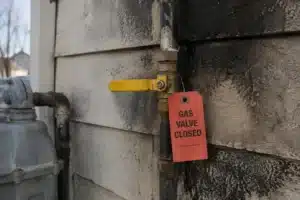
Being allowed back through your front door doesn’t mean you can flip the main breaker because restoring utilities after a house fire may require separate
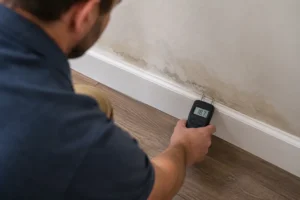
Getting a supply-line leak wrong can turn one wet afternoon into drywall repairs that interrupt the room all over again. The expensive mistake usually isn’t
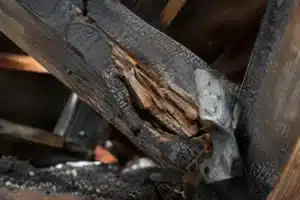
Temporary shoring after fire damage may be urgent when framing has moved or a structural member can no longer carry its load reliably, while surface
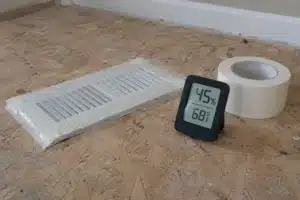
Should your central HVAC run while mold containment is active? The short answer is that you shouldn’t let it serve the active work area. If