If you could peel your exterior walls like a banana, a lot of you would find a musty science project stuck behind your couch. Cold wall plus zero airflow plus humid indoor air equals condensation, and condensation plus time equals mold. The fix is not expensive or glamorous. It’s furniture spacing, steady airflow, humidity control, and smarter insulation. If you want your drywall to stop hosting a secret petri dish, keep reading. I’ll show you what causes the problem, how to catch it fast, how to clean up small spots safely, and how to keep mold from creeping back the second winter returns.
Why Cold Walls Breed Hidden Mold
Here’s the physics in plain English. Warm indoor air carries moisture. When that warm air hits a cold surface, like an exterior wall in winter, the surface temperature can drop below the dew point. Moisture jumps out of the air and lands on the wall as condensation. That’s step one. Step two is parking a sofa, bed, or dresser tight to that wall. You just created a cozy no-breeze zone where the wall stays colder and any moisture that forms gets to hang out. Mold spores are always floating around looking for a snack, and behind furniture they find dust and cellulose-rich paint or paper-faced drywall. You gave them a buffet and a wet napkin.
Uninsulated or poorly insulated exterior walls are the usual suspects. Brick veneer with no interior insulation, older homes with patchy batts, rooms where wind beats against the north wall, or any space where HVAC doesn’t circulate well. Add indoor humidity from showers, cooking, fish tanks, or a dehumidifier that hasn’t run since summer. The result is a cold wall that keeps getting kissed by damp indoor air. That is cold wall condensation in action, and it’s exactly why tight furniture placement behind exterior walls is prime mold territory. For the building science inclined, this is classic dew point behavior that accelerates when air is still and surfaces are cold.
Early Signs You Can Actually Catch
Think of mold like a shy party crasher. It hides until the smell gives it away. If something smells off behind your sofa, it’s not because the wall suddenly discovered old cheese. That musty odor is a red flag that moisture has been hanging around long enough for mold to start metabolizing. Pull the furniture out a foot and look for peppery black dots, greenish smears, or ghostly gray patches that follow the outline of the furniture edges. Peeling or bubbling paint, yellow-brown stains, or a fuzzy film where your bed’s headboard touches the wall are also common. We routinely find warped baseboards and tack strip rust right where airflow was cut off. Our team has called out these exact signs in tight home office setups pressed against cold walls, and we see it under bookshelves and beds all the time. If you’re curious, this pattern shows up in corners and under anything with no airflow, which our mold removal service notes point out regularly.
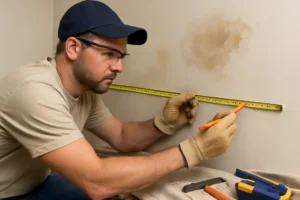
One quick DIY check is the tissue test. Tape a dry tissue or paper towel flat against the suspect wall at night. If it’s damp in the morning, you’re seeing surface moisture that can feed mold. Another simple check is a handheld hygrometer. If the room reads above 55 percent relative humidity consistently, your odds of condensation go up, especially in winter. Pair that with visible signs behind furniture and you’ve got yourself a cause-and-effect story.
Safe Cleanup For Small Spots
If the moldy area is truly small, like what you’d cover with a couple of letter-sized sheets of paper, DIY cleaning can be reasonable. The usual rule of thumb is 10 square feet or less, but small does not mean harmless. Clean it wrong and you can smear spores into carpet, aerosolize them into other rooms, or leave moisture in the wall so it rebounds. We have an entire myth-buster about this because people assume a little mold is fine or that a one-time wipe will cure it. Spoiler: it won’t if you ignore the moisture source. See our take here: Mold myths we keep fixing.
Here’s a smart, safe approach. Slide the furniture out and set it on a breathable surface. Ventilate the room by opening a window a crack and running a fan aimed out, not into the rest of the house. Wear nitrile gloves, eye protection, and a snug mask like an N95. Lightly mist the area with water to reduce dusting. Clean the wall with a mild detergent and warm water or an EPA-registered mold cleaner diluted per label. Wipe, rinse, and repeat until stains fade. Avoid bleach on porous materials like drywall because it doesn’t penetrate well and can leave extra moisture in the paper face. After cleaning, use a HEPA vacuum on the floor and baseboard zone. Then dry the area thoroughly with a fan and dehumidifier for at least 24 hours. If the wall stays cool, you’re fighting uphill, so keep the furniture pulled forward until humidity is under control.
Porous items tell a different story. If the back of your particleboard dresser or the dust cover under a sofa is spotty, you can wipe hard surfaces but you should replace moldy fiberboard backs and dust covers that stayed wet. Same with carpet that smells musty or shows discoloration. If the stain keeps bleeding through paint, if the spot is bigger than you thought once you start cleaning, or if anyone in the home has respiratory issues, call a pro. Our mold remediation process uses containment, HEPA filtration, material removal if needed, and moisture correction so the problem does not boomerang.
Furniture Spacing That Actually Works
Let’s talk furniture spacing, because it’s the cheapest mold prevention you’ll ever buy. You want a consistent gap that lets air move and keeps the wall surface a touch warmer. A practical target is roughly 1 to 2 inches, or 2 to 5 centimeters. Go wider for big plush sofas and low cabinets since they trap more air. The key is consistency. A 2-inch gap on one side and zero on the other still creates a cold spot where condensation can collect. For beds, add stick-on bumpers or standoff brackets so the headboard can’t creep back and press into the wall. For couches, furniture cups or discreet wall spacers keep the feet from sliding. In tight apartments, even a 1-inch shim across the entire back edge can make a real difference. This lines up with building science guidance and resources that highlight how small spacing changes reduce hidden condensation behind furniture pressed to exterior walls. IndoorHumidity puts the same spacing advice on paper, and in the field we see it work.
If the room layout forces you to line every wall with furniture, rotate what is tight to inner walls instead of exterior walls, or angle one piece slightly to open up airflow. Mount a headboard to the wall and leave a 1-inch air gap rather than pushing a full bed frame against the cold exterior surface. Skip vinyl-backed wall hangings or plastic-wrapped art on those cold walls since they trap moisture right where you don’t want it.
Airflow And Humidity Control
Air that moves is air that dries. If a room has a supply vent but no return, or if a big sectional blocks the only register, you’re basically marinating that wall in damp stillness. Balance your registers, keep vents clear, and run the HVAC fan on low during cold snaps to keep temperatures even. After showers and cooking, run exhaust fans long enough to remove steam. If the bathroom fan wheezes like it smokes a pack a day, replace it with a unit that actually moves air. Crack a window for a few minutes when outdoor humidity is low and temperatures allow. Stagnant air in winter is mold’s favorite cuddle buddy.
Humidity is the other half of the equation. We like to see indoor relative humidity sitting in the 35 to 50 percent range to limit cold wall condensation. If you use a portable dehumidifier, set it to 45 percent, give it space to breathe, and run a drain hose so the bucket never fills and quits at 2 a.m. For basements and north-facing rooms, a dedicated dehumidifier is often the difference between musty and fresh. Store less in crammed closets on exterior walls, or at least leave a small gap between stored items and the wall so the space can breathe.
Insulation Upgrades That Pay Off
If you’re constantly fighting cold wall condensation no matter how much you space furniture, your wall is probably underperforming. You fix that by helping the wall stay warmer and by blocking air leaks that carry humid air into cold cavities. The Building America Solution Center lays out effective details for cold weather condensation control, and we see these principles pay off in real homes. Air sealing should be continuous and paired with insulation that fills the cavity without gaps or compression. Think properly installed fiberglass batts, dense-pack cellulose, or foam where appropriate. Add a thermal break with continuous rigid foam on the exterior or interior in major renovations. Seal penetrations behind baseboards and around outlets on exterior walls since tiny leaks accelerate cold spots. Just as important, wall assemblies should still be able to dry to one side. Trapping moisture with the wrong combinations of interior vapor barriers, impermeable paints, or vinyl wall coverings can make a cold wall even crankier.
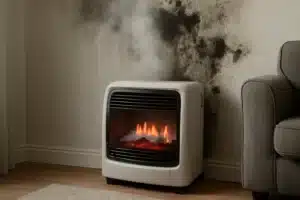
Skip quick fixes that sound magical. Insulated wallpaper rarely solves a real dew point problem. Space heaters aimed at a wall can bake the paint while leaving the air humid. Radiant panels or cove heaters along exterior walls can help lift surface temperatures in tough rooms, but pair them with humidity control or you’ll just create warm, damp paint film that still supports mold. If you’re planning big changes, a thermal imaging scan will reveal where exterior walls are coldest and where insulation continuity is broken. We do this on assessments because it tells the truth in one picture.
When To Call A Pro
You don’t need to swing a sledgehammer at the first speck of mold, but you do want to know when you’re outgunned. Call a remediation pro if the visible mold patch is larger than about 10 square feet, if people in the home are immunocompromised or have severe allergies, if the odor returns within days of cleaning, if the drywall feels soft or crumbles, or if you suspect a leak inside the wall. Also call if mold is on porous materials you care about saving, like a valuable wood piece with mold on unfinished backs and joints. If you live in a multi-unit building with shared exterior walls, involve management since the moisture source may not be entirely yours. We show up with containment, HEPA air scrubbers, and moisture meters to track the actual source, then we remove or restore materials safely and correct the conditions so you don’t get a sequel. That last part matters. Cleaning without fixing the cause is just a very short break between mold seasons.
Smart Monitoring You’ll Actually Use
You can guess at humidity, or you can measure it and win. Place a small digital hygrometer on the exterior wall side of rooms with big furniture pieces. If readings spend time above 50 percent while it’s cold outside, bump up dehumidification and airflow. Smart thermostats with remote sensors keep tabs on both temperature and humidity, and some can trigger whole-home dehumidifiers or alerts on your phone. Leak sensors under window sills and along baseboards pay for themselves the first time wind-driven rain sneaks in. If you’re a data person, a logger that graphs temperature and RH will show you exactly when condensation risk spikes. We use infrared cameras during inspections to find cold spots, and you can get a smartphone attachment to see similar patterns. Use that to plan furniture spacing and to find where insulation upgrades matter most.
Myths That Keep Mold Growing
Let’s knock out a few crowd favorites so you don’t waste time or make things worse:
Myth 1: A little mold is no big deal. That myth keeps our phones ringing. Small areas still release spores, and they point to a moisture problem that needs a fix. Our myth-buster explains why cleanup without correction is just theater.
Myth 2: If I clean it once, it’s gone. Not if you keep pressing the sofa to the same cold wall with the same humidity. Mold is a symptom. Moisture is the disease.
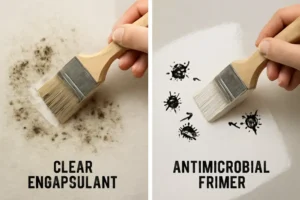
Myth 3: Paint will seal it. Paint is not a time machine. Mold can bleed through and the odor can persist if moisture remains. Stain-blocking primer is for stains after remediation and drying, not for skipping remediation.
Myth 4: Bleach fixes everything. On porous drywall, bleach often leaves water behind and does not reach roots in the paper. It can be useful on some nonporous surfaces, but it is not a universal solution. Smart cleaning plus drying works better.
Myth 5: More insulation with zero ventilation is always good. If you air seal blindly and block drying paths, you can trap moisture and make mold faster. Pair insulation improvements with tested airflow strategies so surfaces stay warm and can still dry.
FAQ
How much gap should I leave behind a couch?
Shoot for a consistent 1 to 2 inches along the entire back. Bigger furniture may need closer to 2 inches. The goal is steady airflow so surface temperatures stay up and cold wall condensation does not form.
Can I just use vinegar to clean the mold?
Vinegar can help on some hard surfaces, but it is not a silver bullet and it is not EPA-registered for mold cleanup. A mild detergent solution or a diluted, labeled cleaner designed for microbial growth is a better bet. Dry thoroughly afterward.
Is bleach okay on drywall?
We don’t recommend bleach on porous drywall. It does not penetrate well and it can add moisture to the paper face. Clean with detergent, remove damaged drywall if it is soft or crumbling, and address moisture so it does not return.
How do I get rid of the musty smell after cleaning?
Odor lingers when spores and moisture remain. HEPA vacuum the area, clean adjacent floors and baseboards, run a dehumidifier to 45 percent, and keep spacing behind furniture. If odor persists, you may have hidden growth or wet materials inside the wall that need professional evaluation.
Is it safe to sleep in a bedroom with minor mold?
We recommend addressing any mold in sleeping spaces quickly. People with asthma, allergies, or compromised immunity are especially sensitive. If you see visible growth or smell mustiness, clean it properly and correct humidity and spacing. For larger or recurrent issues, call a pro.
Can mold grow on painted drywall?
Yes. Paint is food-adjacent once dust lands on it, and the paper behind the paint is an even better snack. If the painted surface gets damp from condensation, mold can colonize the surface and the paper face beneath.
Do dehumidifiers really help?
Absolutely. Holding indoor humidity at 35 to 50 percent reduces condensation risk on cold exterior walls. Use continuous drain and set the target humidity so it keeps working when you need it most.
Does vinyl wallpaper make things worse?
On cold exterior walls, vinyl wallpaper can trap moisture against the surface. If that wall already struggles with condensation, the wallpaper becomes a slick barrier that encourages hidden mold. If you love wallpaper, reserve it for interior walls or use more breathable options.
Get Ahead Of Mold Behind Furniture
You do not need a remodel to beat hidden mold. Start with furniture spacing, consistent airflow, and humidity in the 35 to 50 percent range. Use simple monitoring so you are not guessing, and plan insulation fixes for the worst cold spots. If you pull the couch and find a surprise mold mural, keep the cleanup small, smart, and safe, or hand it to a team that does this every day. We help homeowners fix the source, clean the mess, and keep it from coming back. If you are tired of mystery musty odors and recurring wall spots, reach out through our mold removal services page and we will get you a targeted plan that actually sticks.