Dryer vent fire prevention sits at the top of my home safety list. I have seen how a small pocket of lint can turn into smoke damage throughout a house. Clothes dryer fires are more common than most people realize. The US Fire Administration reported an estimated 2,900 residential clothes dryer fires each year in the United States during a recent multi year period, with injuries, deaths, and roughly 35 million dollars in property loss. The single largest contributing factor is failure to clean, which means lint buildup and neglected vent systems. Those two facts show the problem and the solution. Smart vent design, steady maintenance, and quick action during a dryer incident keep families safe and reduce claim headaches.
How dryer vent fires start
A dryer moves a high volume of warm air across fibers that shed lint. Lint is dry, light, and highly combustible. When a vent system restricts airflow, heat builds inside the appliance cabinet and inside the duct. A heating element or gas burner can then ignite lint. Even without direct flame, embers can smolder and spread soot and odor through rooms. USFA data highlights that the leading cause is failure to clean. In other words, the vent and cabinet collect lint until one day that buildup meets a hot surface and starts a fire. You can read the USFA summary through Fire Engineering at this link.
Improper vent materials push risk higher. Thin foil accordion ducts crush easily behind a dryer which blocks flow. Vinyl or plastic vents can ignite and melt. Long duct runs with multiple elbows trap lint. A crushed or sagging transition hose creates a pocket where lint collects. Even a bird screen at the exterior hood can pack with fibers and restrict flow. Then there are misuse factors. Oil soaked rags can self heat and ignite. A dryer used with a blocked lint screen will run hotter than it should. A machine with worn drum seals sheds extra fibers. An appliance with a failing bearing or belt may throw hot fragments or sparks that find a lint nest.
Finally, electricity and gas present their own hazards when maintenance is neglected. A frayed cord or loose connection can arc. A gas dryer with poor combustion or a failing ignitor can throw more heat than designed. Most dryers have thermal cutoffs and safety thermostats. Those parts can fail. Reduce fuel, remove obstructions, and the safety controls rarely get tested in the first place. That is the heart of dryer vent fire prevention.
Safe vent design that actually works
Good venting removes heat and moisture with minimal resistance. The Department of Energy Building America Solution Center summarizes the best practice approach. Use smooth rigid or semi rigid metal duct, preferably galvanized steel or aluminum. Avoid vinyl or thin plastic. Keep the run as short as possible with gentle bends. Support long runs so the duct does not sag. Seal metal joints with metal foil tape rated for ducts, not general fabric tape. Many manufacturers cap the maximum equivalent length at around 35 feet before performance drops. Every elbow adds to the equivalent length, so plan the route carefully. Always follow the dryer manufacturer and local code. You can review the Building America guidance on proper dryer venting at the PNNL resource guide here.
Materials and layout
Choose a rigid metal duct for in wall or in ceiling runs. Semi rigid metal can be used for the short transition from the dryer to the wall port. Keep the transition piece as straight as possible. If the dryer connection sits off center, consider an offset box or a periscope style transition piece that maintains a smooth path. Never run a thin foil accordion hose inside a wall or ceiling cavity. Plastic or vinyl flex hose does not belong on a dryer. Those materials have low melting points and can contribute fuel.
Plan the route with minimal bends. Each 90 degree elbow adds the equivalent of many feet of straight duct. Each 45 degree elbow adds less but still matters. Support the duct every few feet with metal strapping so it stays round. Sagging ducts create pockets where lint settles. Keep joints oriented so the male crimped ends face in the direction of flow. That way lint is less likely to catch at the joint edge. Seal seams with the correct foil tape, not mastic intended for HVAC trunk lines. If your route exceeds the manufacturer equivalent length, consider relocating the dryer or shortening the path during a remodel. Energy.gov offers a practical job aid on vent installation that aligns with these points, which you can review here.
Exterior termination and clearances
Terminate the vent outdoors with a metal hood that includes a backdraft damper or louver. Do not install a screen over the outlet. Screens trap lint. Mount the hood with the outlet pointing downward and with a short straight connection to the interior duct. Keep the termination away from operable windows and doors. Maintain clear space around the hood so flaps can open fully. Check that the damper moves freely and closes under its own weight when the dryer is off. The Building America guide above includes these termination details. The Spruce also offers a quick homeowner summary of duct types and terminations that reinforces these choices, available here.
Correct vent design reduces the chance of lint catching on seams. It allows moisture to leave the building quickly which means shorter run times and less heat stress on parts. It also sets you up for simpler maintenance because you can reach and brush a smooth metal duct. That is how design and maintenance work together to stop fires before they start.
Maintenance schedule and warning signs
Lint builds with every load. A short routine keeps the system clear. Clean the lint screen before or after each load. Verify the screen is not damaged or coated with dryer sheet residue. A quick wash with dish soap removes film if water does not flow through the mesh. Wipe the area where the screen sits because lint can slip past the frame. A vacuum crevice tool helps reach down inside the cavity. Step outside and look at the hood during a cycle. You should see steady airflow. The damper should open wide. If airflow looks weak, inspect the transition and duct route for crush points.
Schedule a deeper inspection several times a year. Pull the dryer away from the wall carefully. Unplug the cord and close the gas valve if it is a gas unit. Remove the transition hose and look inside the wall port. If you see clumps or a gray film, it is time to get the brush set and clean the run. Check behind the dryer cabinet for lint piles. Look at the back of the machine near the outlet collar for scorch marks. Clean under and around the dryer so dust does not become fuel. If you use pet blankets often, shorten your cleaning interval. The same goes for large households or long duct runs.
Expert guidance from Better Homes and Gardens with Dryer Vent Wizard recommends cleaning at least once per year for many homes, and more often when usage is high, the duct run is long, or drying time is increasing. That source also lists warning signs that point to a blockage. Longer cycles. Clothes that feel very hot at the end of a load. A dryer cabinet that runs hot to the touch. A burning or musty odor. Lint collecting around the door seal or on the floor near the appliance. An automatic high temp cutoff tripping. Read their summary at this page.
Many homeowners ask about do it yourself cleaning versus professional service. If your duct run is short with simple access, a rotary brush kit connected to a drill can do a fine job. If the route is long or has multiple elbows, a professional who uses a rotary brush with a high powered vacuum and access tools will do better. A pro will also check airflow with an anemometer and inspect internal cabinet areas where lint collects near the heater box. If a small heat event or light smoke occurred during a stuck cycle, use practical soot cleanup techniques to protect finishes and electronics. My team put together a step by step resource on cleaning items affected by fire. That guide covers what to use on different materials and what to avoid so you do not set smoke odor into surfaces.
If a dryer fire happens
Your first move is always life safety. Evacuate people and pets. Call 911. If a small contained appliance fire is visible and you have the right extinguisher within arm’s reach, use it only if you are trained and the exit path is clear. Close the laundry room door on your way out to slow smoke spread. Do not reopen a door that feels hot. Fire crews will handle the rest.
Once the fire department clears the scene for reentry, document everything before you touch it. Photograph each wall and ceiling from corner to corner. Photograph the dryer, the transition hose, the wall port, and the exterior termination. Take close shots of the lint screen, the trap cavity, and any scorched areas or melted plastic. Video works well to capture smoke residue patterns across rooms. Do not discard the dryer or any part of the vent system. An adjuster or investigator may need to examine the appliance, the wiring, and the duct. This step protects your dryer fire insurance claim. Consumer Reports lays out a similar approach for home fire claims at this link.
Make only temporary repairs to prevent further damage. Board a broken window. Cover a roof vent opening if firefighters cut a hole. Run a dehumidifier if there is sprinkler water in the laundry room. Keep receipts for every purchase because those may qualify under Additional Living Expenses or under materials reimbursed by your policy. Avoid painting, replacing cabinets, or discarding smoke damaged contents until your insurer authorizes the scope. Prompt mitigation helps, so call a qualified restoration company for smoke cleanup, odor control, and documentation. We create line item estimates with photos and moisture or particulate readings that help claims move faster.
Smoke cleanup and health risks
Dryer fires often start small yet they send smoke through a surprising portion of the house. Warm smoke follows air currents and slips into closets and hallways. Soot particles bond with fabrics and porous finishes. Protein residues and oils from soiled laundry can release harsh odors once heated. That contamination requires a measured cleanup plan. Dry wiping or wet wiping without the right chemistry can push residue deeper into pores. It can also set the odor permanently. A professional smoke cleanup team will start with air scrubbing using HEPA filtration to capture fine soot. Negative pressure may be set up to keep particles from spreading during cleaning. Porous contents get separated based on cleanability. Washable items are processed with specialty detergents. Textiles go to an off site plant when heavy odor is present. Hard surfaces get dry sponged then wet cleaned with a neutralizing cleaner that matches the residue type. HVAC systems and the dryer duct get cleaned to remove settled soot so it does not re deposit after the house is clean.
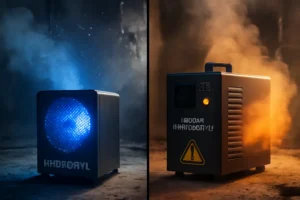
Odor control tools range from thermal fogging to hydroxyl generators to ozone. Each tool has a place. Thermal fogging pairs a deodorizing fog with the exact size range of the original smoke to reach into pores. Hydroxyl generators treat air and surfaces while a space is occupied, which can be helpful for mild to moderate odor loads. Ozone is powerful and works in unoccupied spaces only with proper sealing and controls. The goal is a clean, safe, odor free space.
Pricing depends on the size of the affected area, the level of soot, the type of residues, and the cleaning methods required. Simple cleanups focus on laundry room walls, ceilings, and contents. Heavier cleanups extend to hallways, bedrooms, and HVAC. Odor control, sealing, and repainting add to the total. To see how scope drives budget, read our overview of fire damage restoration costs. That resource explains why two similar fires can produce very different numbers once smoke spread and porous contents are taken into account.
Smoke is not just a cosmetic problem. It carries acidic compounds, fine particulates, and byproducts that can irritate lungs and skin. Synthetic materials release additional chemicals when heated. That is why I push for fast capture and removal. We also call out the hidden hazards after a fire. The article outlines risks from residue on dishes, toxins in settled dust, and corrosion on electronics. Health risk goes down when you remove soot and control the air, not just mask odor.
How to file a dryer fire insurance claim
Call your insurer as soon as the scene is safe. Ask about emergency services approvals and whether you have coverage for Additional Living Expenses if you cannot use part of your home. Start a claim diary. Record each call, the name of each person, date and time, and next steps. Keep a folder in your phone or a shared drive for photos and video. Take new pictures during each stage of cleanup. Preserve all damaged items, including the dryer and vent pieces, until your adjuster or a specialist has inspected them. This is a common recommendation from consumer advocates and it protects your dryer fire insurance claim. Consumer Reports summarizes these steps at this page.
Request written estimates that are itemized by room and line. A clear scope makes it easier for the adjuster to match damages to policy provisions. Ask your contractor to document particulate readings, odor levels, and pack out inventories when contents are moved. Keep every receipt for hotel stays, meals over your normal cost, pet boarding, cleaning supplies, and clothing replacement. Those may fall under Additional Living Expenses up to your policy limits. If the loss is large or complex, some homeowners choose to hire a public adjuster. The Insurance Information Institute and Consumer Reports discuss that option and what to look for in a contract. We also maintain a claims checklist and documentation resource on our site that adapts well to dryer fire claims. It lays out what to photograph, how to store evidence, and how to track costs without getting buried in paperwork.
Policy language varies by state and carrier. Ask your adjuster about coverage for smoke infiltration in rooms without visible soot. Ask how the carrier handles deodorization and sealing before painting. Confirm whether electronics require inspection before reuse. A detailed conversation up front sets clear expectations. Your contractor should help answer scope questions and provide pictures that support the claim file.
Dryer vent fire prevention plan
Prevention is a set of simple habits backed by solid design. Start with a rigid or semi rigid metal vent that takes the shortest path outdoors. No screens on the exterior hood. A smooth interior path means lint has less to grab. Next, keep a steady cleaning rhythm. Clean the lint screen with each load. Inspect the transition and the exterior hood every few months. Brush and vacuum the duct at least once per year for most households. Move to twice a year if you do many loads weekly, have a long duct route, or notice slower cycles. Replace a crushed transition hose right away. Consider a dryer booster fan only when a short route is impossible and install it exactly as the manufacturer instructs.
Train everyone in the home to spot early warning signs. Longer than normal cycles. Clothes that feel too hot at the end of a load. A cabinet that is hot to the touch. Burning or musty odors. Lint on the floor around the dryer. A lint screen that fills far faster than it used to. When you notice one or more signs, stop using the dryer until the vent is checked. If heat damage is visible near the outlet collar, have a technician open the cabinet and remove internal lint before the next use.
Last, keep flammables away from the dryer. Laundry rooms often collect storage items. Paints, solvents, and cleaning chemicals belong in a different area. Do not place cardboard boxes against the sides or the back of the machine. Leave enough space behind the dryer so the transition hose does not crush when you push the machine into place. If the laundry closet is tight, consider a recessed dryer box to give the hose a safe space. Read the dryer manual for clearance requirements. Manufacturers also specify the maximum equivalent vent length. Respect that limit.
Homeowner quick checklist
Clean the lint screen for every load. Step outside during a cycle to confirm the exterior damper opens wide with strong airflow. Look behind the dryer every few months for lint piles or scorch marks. Brush the duct at least once a year for most homes. Move to a shorter interval for long runs or heavy use. Replace foil accordion flex with semi rigid or rigid metal. Keep the area around the machine clear of boxes and chemicals. If a fire or smoke event occurs, evacuate, call 911, document with photos, save the dryer and duct for the adjuster, call your insurer, and call a qualified restoration company for a plan. The USFA points to failure to clean as the leading cause. A small set of habits prevents a large loss.
Why this matters to me as a restorer
I built my company around safe homes and healthy air. We started in water and mold, then added fire and smoke because the same health concerns carry across categories. Fine soot lingers in closets. Odor hides in the same porous places where moisture and mold would hide after a leak. That is why I care about dryer vent fire prevention. You deserve a laundry room that dries fast without risk, and a claims path that is clear if the worst happens. If you want to know who we are and how we work, our story is on our About Us page.
If you are building a new laundry room or planning a remodel, choose a short rigid metal route outside, confirm the hood has no screen, and balance the run with gentle bends. If you are maintaining a current system, keep your schedule, spot early signs, and get help when cycles lengthen or odors appear. If a dryer fire hits your home, focus on safety, document every surface, and protect your claim file. For fast help with documentation, smoke cleanup, and contractor estimates that match adjuster formats, Schedule a free assessment with our team. We can handle the mess today so you can get back to clean laundry that dries fast tomorrow.