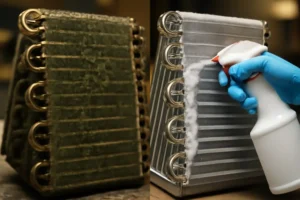
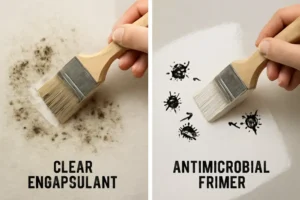
When your windows start crying in the morning, they’re not being dramatic. They’re tattling. Condensation is the house’s way of saying hey, you’ve got cold surfaces, high indoor humidity, or a failed IGU seal, and mold is about to throw a housewarming party on your trim. As a restoration pro who has scraped more fuzzy window corners than I care to admit, I’ll show you exactly why windows sweat, how thermal bridging turns panes into petri dishes, and the fastest fixes that actually shut mold down. We’ll cover safe cleanup, smart dehumidifying, interior storm panels that punch above their weight, thermally broken frames, and balanced ventilation. No fluff. No hand-wringing. Just methods that work.
Why Windows Sweat
Window condensation is simple physics with a side of house habits. Warm air carries moisture. When that warm, moist air hits a surface that is colder than the air’s dew point, that moisture condenses out as liquid water. On windows, that shows up as fogged glass, weepy frames, and little puddles soaking your sill. Let that ride, and you’ll get stained paint, swollen wood, and mold nibbling at caulk lines and drywall paper.
So what makes those surfaces cold? Three usual suspects keep showing up: thermal bridging through metal frames or poorly insulated details, failed insulated glass unit seals that sabotage the window’s R-value, and high indoor RH from cooking, showers, fish tanks, or a tired HVAC system. You fix condensation by warming the interior surface, lowering humidity, or both. That’s it. Everything below is just how to do those two things well.
What Is Thermal Bridging?
Thermal bridging is the fast lane for heat loss. Metal and other conductive materials move heat like a slide at a water park. If your windows have aluminum or steel frames without a thermal break, that frame is busy shuttling heat to the great outdoors. The inside edge of that frame drops in temperature, the glass near the edge follows, and boom, your dew point gets crossed and the window sweats. Even wood or vinyl windows can have bridging where framing members connect, but bare metal is the common villain.
Here’s the kicker: you can hold indoor RH at a picture-perfect 40 percent and still get condensation if the interior surface is too cold. That is why you’ll often see water beading right on the metal frame or at the glass edge in cold snaps. Stop the bridge, warm the inside surface, and the water stops showing up to work.
Is Your IGU Seal Shot?
If you see fog or mineral tracks between the panes that you can’t wipe off, the insulated glass unit’s edge seal is toast. Moist air made it into the space between panes, and the desiccant in the spacer finally tapped out. You’ll lose insulation value, you might feel drafts, and condensation will hang out in there like it pays rent.
There’s no permanent way to clean the space between panes without replacing the IGU. Defogging services can drill and vent the unit to make it look better for a while, but the insulation performance isn’t truly restored. If your goal is to stop condensation and improve comfort, plan on replacing the glass unit or the whole sash. Do the math on cost, frame condition, and energy savings, then choose the replacement path that makes sense for your situation.
How To Spot The Culprit
Before you start throwing gadgets and chemicals at the problem, identify which combination of humidity, thermal bridging, and seal failure you have. A little detective work saves you real money and mess.
If the condensation is on the room side of the glass or on the frame during cold weather, you’re most likely dealing with high indoor RH hitting cold surfaces caused by thermal bridging or poor window insulation. If the condensation is trapped between panes, that failed IGU seal is the obvious winner. If the frame feels icy even when the room is warm, the frame is acting like a radiator to the outdoors. If there’s warping, peeling paint, soft spots on the sill, or mold at the lower corners, moisture has been recurring long enough to start damaging finishes.
| Symptom | Likely Cause | Most Effective Fix |
|---|---|---|
| Condensation on room-side glass or frame | High indoor RH plus cold surfaces from thermal bridging | Lower RH, add interior storm panel, upgrade to thermally broken frame |
| Fog or stains between panes | Failed IGU seal | Replace the IGU or sash; defogging is temporary |
| Mold on sill and lower trim | Recurring condensation and poor air circulation | Clean safely, dry thoroughly, keep RH 30-50 percent, improve circulation |
| Cold-to-the-touch metal frame | Thermal bridging through metal with no thermal break | Interior storm panel now, replace with thermally broken frame later |
Safe Cleanup That Actually Works
Let’s kill the moldy mood safely first, then fix the root causes so it stays gone. Small patches on nonporous or semi-gloss painted surfaces can be cleaned with detergent and water. Wear gloves, an N95, and eye protection. If the paint is already failing or the mold is embedded in caulk or raw wood fibers, you’re probably looking at removal and replacement for those materials. Drywall or fiberboard trim that is stained or soft is rarely worth saving.
Always dry the area thoroughly within 24 to 48 hours after any cleaning or removal, or you just set the stage for Round Two. Box fans plus dehumidifiers speed it up. If you suspect hidden moisture in the wall cavity under the window, bring in a pro with a moisture meter and, if needed, limited demo to open wet sections. If your house is older and you plan to disturb paint, keep lead-safe practices in mind. Same goes for suspicious plaster, mastics, or textures that could contain asbestos. Safety gear costs less than lungs.
Tame Indoor Humidity
If your indoor RH lives above 60 percent, mold throws a parade. Your daily target is 30 to 50 percent RH most of the year. In cold weather, aim for the lower half of that range. In hot-humid seasons, use AC plus a dedicated dehumidifier if needed. Bathrooms and kitchens need working exhaust fans that actually vent outdoors, not into an attic. Run those fans during the activity and for 20 minutes after. Keep lids on boiling pots, crack a window when you shower, and do not air-dry laundry inside unless you like paying for mold’s brunch buffet.
Furniture and drapes can trap still air along exterior walls, making local micro-climates that spike condensation at windows. Pull furniture and heavy drapes a couple of inches off the wall and keep return and supply vents unobstructed. On cold nights, opening blinds a touch lets room air wash the glass and warm it slightly, trading a smidge of heat loss for a drier surface. If your home has a humidifier, turn it down or off during cold snaps or you’ll fog every pane like a car with steamed-up windows in a teen rom-com.
Want a quick dew point gut-check? At 70 degrees F and 40 percent RH, your dew point is roughly 45 degrees F. If the interior surface of your glass or metal frame drops below that, you get liquid water. Either warm the surface or bring RH down to push that dew point lower. Smart hygrometers are cheap and give you real numbers instead of vibes.
Interior Storm Panels That Work
Interior storm windows or panels are the fastest way to warm up the interior surface of existing windows without touching the exterior. They add an extra layer of insulation and can slash condensation on the room side. Removable acrylic or glass panels with a good air seal around the perimeter perform surprisingly well, especially if you choose low-e glass. That low-e surface reflects radiant heat back into the room, which keeps the inner glass warmer and above dew point far more often.
Installation matters. If you install a storm panel with gaps, you invite moist air to sneak in and condense behind it, then you’ve built a tiny terrarium. Follow the manufacturer’s sealing instructions and check periodically for fogging behind the panel. Done right, interior storms make old single-pane windows feel civilized and make even average double-pane units sweat far less in winter.
Use Thermally Broken Frames
If you’re considering new windows or replacing sashes with chronic condensation, pick frames with thermal breaks. In plain English, that means the metal frame includes a non-conductive section that interrupts heat flow. Without a break, aluminum or steel frames are heat highways. With a break, the interior portion stays warmer, the glass edge stays warmer, and the whole unit is less likely to condense. Vinyl and wood frames generally conduct less heat, but pay attention to spacers, reinforcements, and overall design. The cheapest option is rarely the warmest or the driest.
Telltale signs that a thermally broken frame would earn its keep include cold-to-the-touch mullions, water streaks at the lower corners every cold morning, and paint that peels in a rectangle that matches the metal profile. If any of that sounds familiar, an upgrade is not a luxury. It is the fix that makes all the other humidity control work actually stick.
Balanced Ventilation Done Right
Sometimes the air inside just needs a refresh. Balanced ventilation brings in outdoor air while sending stale indoor air out at roughly the same rate, so you do not pressurize or depressurize the house. Use a heat recovery ventilator if you live in a cold-dry climate and want to hold onto warmth while exchanging air. Use an energy recovery ventilator in humid climates to transfer both heat and some moisture, so you do not drag in all that sticky air and dump it into your living room.
Set these systems to run steadily at a low rate rather than short, intense bursts. Tie bathroom and kitchen exhaust to switches or timers, and consider humidity-sensing controls that kick fans on when RH rises. If you run a big gas appliance without a proper makeup air plan, or if you have an older range hood that pulls half the house under negative pressure, you can actually make condensation worse by drawing in raw, moist outdoor air through the envelope. Balance matters.
Seal, Drain, And Maintain
Window assemblies are little ecosystems. The weep holes at the bottom of many frames are there to drain incidental water. If they’re clogged with paint, dirt, or last fall’s gift from your favorite spider, condensation becomes standing water that soaks into the sill and stool. Keep those weeps open. Check exterior caulk and flashing so rain does not sneak in and get blamed on condensation. Upgrade weatherstripping where you feel drafts, especially around older sliders and double-hungs. Air movement across the glass warms the interior surface slightly, but uncontrolled drafts can also pull in moist air from leaky walls. Targeted sealing gives you the circulation you want without the moisture you do not.
When Replacement Makes Sense
If you are fighting window condensation on every cold morning even after you’ve driven indoor RH under 45 percent, added interior storms, and cleared weeps, the window assembly is likely the problem. Failed IGUs should be replaced. Metal frames without thermal breaks that sweat chronically should be upgraded or retrofitted with interior storms as a holding pattern until full replacement. If you are already peeling soft, moldy trim off the wall, do not reinstall cosmetic fixes over a cold, bridging frame and expect a different result. Upgrades cost money, but so does repainting every year while the wood under the paint rots quietly.
DIY Or Call A Pro?
Here is a quick sanity check. Tackle it yourself if you are dealing with small, surface-level mold under 10 square feet, condensation only on a couple of windows during extreme weather, or you just need better humidity control and some interior storm panels. Call a pro if you smell musty odors that do not go away, you have multiple rooms with recurring growth, you suspect wet cavities under the sill, or you see rot and structural soft spots. Pros bring moisture meters, infrared cameras, negative air setups, and containment that keeps the cleanup from making your house look like a mushroom farm exploded.
Humidity Targets That Actually Work
Use a hygrometer in the rooms that sweat first. Keep living areas around 35 to 45 percent RH most days. In very cold spells, drop to 30 to 35 percent. In steamy summers, stay under 50 to 55 percent if you can. Each degree you pull off RH gives you a little more surface temperature buffer before you hit dew point. If your windows are on the north side or shaded by deep overhangs, they will run colder and need tighter RH control than sunnier exposures.
Common Mistakes To Skip
Bleach on porous materials is a false hero. It can lighten stains but it does not reliably dig out mold roots in drywall or raw wood. Save it for nonporous surfaces if you use it at all. Do not ignore condensation because it appears and disappears daily. Those little beads add up to repeated wetting, and repeated wetting is what grows mold and ruins finishes. Do not tape plastic over a window without a tight seal and a plan, or you might trap moisture where it cannot dry. Be cautious with portable gas heaters or unvented appliances that spit water vapor into the room. They turn your living room into a greenhouse.
Case-In-Point Fixes That Beat Mold
We see the same pattern again and again. Metal-framed window in a cool corner, heavy curtains pressed tight to the wall, steamy showers, and a bathroom fan that just makes noise. The fix is not rocket science. Swap the fan for a real one that vents outdoors, run it while showering and after, pull the curtains off the wall an inch or two, throw an interior storm panel over the window for the winter, and set a dehumidifier to 40 percent. That mold line along the caulk will stop coming back. Another frequent save is replacing a cloudy double-pane IGU. Once the failed unit is gone, the interior glass surface temp rises, humidity targets get easier to hit, and the window stops crying every morning.
Storm Panels vs Replacement Windows
If you are deciding between interior storms and full replacement, start with a quick cost-benefit thought process. If the frames are in good shape and the glass is just cold, interior storms give you a big chunk of the comfort and condensation reduction for a fraction of the price. If seals are failed across multiple windows, the frames feel like ice cubes, or you want a long-term energy upgrade, put that money toward thermally broken replacements with quality glass and spacers. Do not forget that installation quality is everything. A mediocre window installed perfectly will often beat a premium window installed poorly.
Why Balanced Solutions Stick
The best results happen when you combine fixes. Clean and dry the damage so you are not launching spores every time you open the blinds. Control RH so you are not feeding the problem. Warm the interior surface with interior storms so you push the surface above dew point. Then pick a long-term upgrade like thermally broken frames or a proper HRV or ERV so your house handles humidity swings without drama. That layered approach keeps mold gone without you babysitting it every morning with a towel.
Smart Habits That Prevent Mold
Keep a small digital hygrometer on the sill of the worst window. If it starts to hover above 55 percent, that is your cue to turn on exhaust, tweak the thermostat, or start the dehumidifier. Clean weep holes twice a year. Vacuum window tracks so water can move where it is supposed to. Use lids on pots and run the range hood on high when you boil pasta or sear steaks. Squeegee shower walls and keep that bath fan running. On cold nights, crack the blinds just enough for room air to touch the glass. If you dry indoor plants after you water and skip those decorative humidifiers when the forecast goes arctic, you will notice far less window sweat.
The Payoff For Getting It Right
Clear glass, dry sills, and zero musty corners are not just cosmetic wins. You protect trim and drywall from rot, keep your indoor air cleaner, and quit wasting energy reheating cold corners that never dry. The fix might be as easy as dialing RH down and popping in interior storms, or it might require replacing a few failed IGUs and upgrading old metal frames to thermally broken designs. Either way, the path is the same: tackle humidity and thermal bridging together, and the window condensation drama ends before mold gets a sequel.