Water loves a surprise party, especially behind your fridge or under the dishwasher where you never look. A tiny drip can turn cabinets puffy, buckled floors spooky, and your week absolutely wrecked. The fixes are not complicated. Swap in a braided stainless steel refrigerator water supply line, use a real shutoff valve you can actually reach, and add a smart dishwasher leak detector so your phone tattles the second water hits the floor. If you want a fast start on prevention, scan our advice on how to prevent water damage and how to prevent moldy appliances.
Why kitchen water lines fail
Every week we meet a quiet saboteur hiding behind a shiny appliance. Old rubber or plastic hoses harden over time, then split when pressure spikes. Lines get kinked during an installation or when the fridge rolls back into place. Abrasion points form where a line rubs on a cabinet edge. Factory saddle valves that pierce a copper line can scale up and stick, then leak the first time someone twists them. Filters clog and the fridge still demands a tray of ice, so pressure rises and weak spots give up. Homeowners are busy and lines never get inspected, which is why we remind clients to check hoses and faucets during seasonal chores.
Heat from a dishwasher can be rough on cheap vinyl tubing. Pets chew what they find. A slow drip behind a toe kick goes unnoticed until you catch a whiff of sour wood and realize your cabinet backs are hosting a science project. That is why this guide is all about building tougher connections and giving yourself early warning.
Upgrade to braided stainless steel
The single best upgrade for your kitchen supply lines is braided stainless steel. Instead of soft rubber or thin plastic, the inner tube rides inside a mesh of stainless steel that resists kinking and abrasion. Pros have said it for years and homeowner resources back it up. This Old House recommends replacing rubber hoses with braided stainless for long service and fewer surprises compared to old school lines. You can read their guidance on preventing plumbing leaks at This Old House.
We like braided for these reasons.
It fights kinks when you push the fridge back, which protects the inner tube. It shrugs off small rub points that would shred plastic. Many brands list higher burst resistance than bare rubber. Bob Vila’s team notes the durability and burst friendly nature of stainless braided supply hoses in their product guides, which is one more vote for using them in kitchens where cabinets hate water. See their overview on supply hose types at Bob Vila.
For refrigerators with ice and water, the most common connection is a quarter inch compression fitting. You can buy a braided stainless steel refrigerator water supply line as part of a kit from major home centers. Whirlpool’s water line kit is a typical example with the fittings most homeowners need, visible on the Home Depot appliance parts site at this kit page. For dishwashers, the supply side is often three eighths or one half inch at the valve and three eighths at the dishwasher inlet. Most braided dishwasher connectors are marked with the size on each end, so match both sides before you buy.
Picking length is about giving the line a gentle curve without sharp bends. Measure a path that skips sharp cabinet edges. If you are close on length, size up rather than stretching a line tight. Look for listings that mention NSF or UPC certification, and buy from a real store so you are not gambling on mystery metal. Stainless loves water but it still appreciates a clean route with no saw teeth or screws touching it.
Pro tip on fittings. Compression ends seal on the ferrule and do not want thread tape. Taped compression threads can keep the nut from seating right and cause a drip. Threaded pipe fittings with NPT are a different story. That is where pipe dope or tape belongs. If you are not sure which is which, take a clear photo of your connection and bring it to the plumbing aisle or send it to our team for a quick sanity check.
One more benefit rarely mentioned. Braided lines telegraph small drips a little better than smooth plastic because water works its way to the lowest point along the braid. That can turn a hidden bead into a visible droplet sooner. Not exactly glamorous, but it beats rotting out a cabinet floor in silence.
Better shutoff valves
When a line pops, the thrill of discovery fades fast if the valve is stuck or lost behind a wall. Old piercing saddle valves make installers happy during a rushed setup, but they clog with mineral buildup and they are notorious for weeping. If you find a saddle valve on your fridge or ice maker line, plan to replace it with a quarter turn ball valve or a tee with a real isolation valve. Ice Maker Hub covers valve choices and why ball valves are the grown up option for reliability. Take a look at their overview at Ice Maker Hub.
The valve should be accessible without gymnastics. Many kitchens use an ice maker outlet box with the valve facing you behind the fridge. For dishwashers, a dedicated shutoff in the sink base is standard in newer installs. If yours requires turning off the whole house, you have a project for your next free Saturday. While you are at it, label the valve so anyone in the house can find it in a hurry.
A strong valve in the right spot does more than speed up repairs. It reduces how long water runs during a failure. That directly limits cabinet swelling, warping of engineered flooring, and the kind of moisture load that can invite mold.
Add a smart leak detector
Once your lines and valves are up to snuff, add a set of smart water sensors so a puddle never has a chance to spread. A smart dishwasher leak detector is a little puck or a rope style sensor that sits under the appliance or under your sink. When water touches the contacts, your phone chirps. Many of the better models talk to WiFi so you get alerts even when you are at work or out of town.
If you want automatic shutoff, whole home systems such as the Flo Smart Water Monitor and Shutoff by Moen can close the main when they sense a break. Flo publishes feature details and installation notes in their support center. You can see capabilities like automatic closure, pressure monitoring, and app control on Moen’s site at Flo by Moen.
Picking a sensor does not have to be complicated. Tom’s Guide maintains a list of best water leak detectors with pros and cons for many popular models. It is a nice way to compare battery life, alert volume, app quality, and whether a sensor supports add on rope cables for wider coverage. Their updated round up is at Tom’s Guide.
Placement matters. For dishwashers, slide a puck just behind the front kick panel area or place a rope sensor in a U shape along the toe kick so even a small dribble hits it. For refrigerators, tuck a sensor where the line enters the cabinet or near the rear corner where a leak would first pool. Add one under the sink, beside the RO tank if you have one, and near the water heater. We recommend kitchens, laundry rooms, and mechanical areas as top priority zones because that is where we see the largest losses start.
Installation and testing checklist
Before you start, clear space to work, grab a towel, and cut the water at the nearest valve. If you cannot find a local shutoff, turn off the main. Now the fun part.
Remove the old line with a pair of adjustable wrenches. Catch any drips with that towel you wisely staged. Inspect the old ferrule and nut. If they are grooved or deformed, replace them so the new compression fitting can seal properly. Wipe the valve outlet and appliance inlet so you are not sealing against grit.
Thread the new braided stainless steel refrigerator water supply line or dishwasher connector by hand first, then snug with a wrench. Finger tight plus a quarter turn is a common target for compression. Stop if it feels odd. Cross threading buys you a new valve and an unplanned trip to the store. Do not use thread tape on compression threads. Save it for pipe thread fittings only.
Open the valve slowly and watch the fittings. A paper towel around each connection makes even a tiny drip obvious. If you see moisture, snug the nut a hint at a time until the towel stays bone dry. Cycle the valve closed and open again to seat the ferrule. Give the line a lazy loop without flattening it and clip it so it is not rubbing on a screw tip or cabinet edge.
If you replaced a dishwasher line, run a quick cycle to pressurize the system. If you replaced a fridge line, run water at the dispenser and dump the first pitcher to flush air and any carbon fines from the filter. While water is flowing, stare at your connections like a hawk. A leak loves to show up during this moment, not tomorrow when you are asleep.
Install your smart dishwasher leak detector and any extra rope sensors. Pull the batteries and note the install date on a piece of painter tape. Pair the sensor to the app and trigger a test alert by touching the contacts with a damp finger. Add an alert name that tells you exactly where it lives, like Dishwasher left front or Fridge rear corner, so you do not have to play Where is it when your phone goes off at two in the morning.
Label the shutoff valve with a tag inside the cabinet or on the outlet box. Show your partner and your kids. They will thank you when they notice a puddle and can stop it fast.
What to do if a line bursts
If a line lets go, cut water off immediately. If you have a whole home shutoff like Flo, the system may already be closing the valve. If not, grab your main. Do not walk through standing water if outlets or cords are involved. Kill power at the breaker to that section first if there is any risk. Once the flow stops, blot what you can and call in a team that lives with this stuff. We have an at a glance checklist for fast action you can bookmark at fix burst pipe quickly.
Water moves fast inside cabinets, under vinyl plank, and into wall cavities. Minutes matter for limiting swelling and mold. Our crews handle water extraction, moisture mapping, removal of wet baseboards, targeted wall openings when needed, and structural drying with directed air and dehumidifiers. If the dishwasher leaked and the subfloor got hit, we can test and dry without ripping your kitchen apart. When you are ready for help with dishwasher leak drying or full water damage restoration, call us. We serve Austin and nearby areas around the clock.
Shopping tips that actually help
You do not need a degree in plumbing to buy the right parts. Focus on fittings and quality. For a refrigerator, you usually want a quarter inch compression end. For dishwashers, match the size stamped on your old connector or the service manual for your model. Pick a braided line from a brand you recognize or from a store with a real returns counter. If you can see the packaging, look for certification markings that speak to materials and testing.
If the fridge grommet or elbow fitting looks corroded, replace it while you are in there. The same goes for angle stops under the sink. If the valve looks original to the house and spins forever without closing, that part has earned retirement.
For leak sensors, decide what kind of behavior you want. A simple battery powered puck with a screaming alarm is perfect for folks who are always home. If you travel or rent the place out, WiFi connected sensors with app alerts are worth the money. Add a whole home shutoff if you have a history of leaks or live in a multi story home with hardwoods and a low tolerance for soggy drama.
Where to place sensors
Kitchens have several predictable splash zones. Put a smart dishwasher leak detector right in front of the machine under the toe kick. A rope sensor arranged in a shallow U shape right along the front edge will catch even a slow weep. Place a sensor behind the refrigerator where the supply line connects. Mount it so it sits on the floor or the lowest spot in that pocket, not halfway up the back panel.
Under the sink, nestle a puck in the back corner where supply and drain lines share space. If you have a garbage disposal, angle a rope sensor around its base in case a seal gives out. Add sensors near the water heater and in the laundry room. Those are prime flood starters and they are often out of sight. Our sensor article covers these placements along with extra tips for naming and testing so you get alerts that make sense.
Mold risk you can dodge
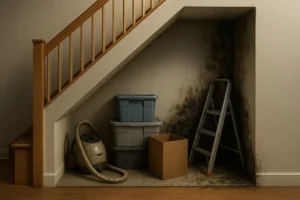
Slow appliance leaks are mold’s favorite hobby. Dishwashers drip onto particle board that drinks it up. Fridge lines leak in tiny pulses that keep a wall plate damp without puddling on the floor. Behind that pretty finish is raw material for a colony. That is why we keep pushing braided lines, fast shutoffs, and sensors. Catching a leak early is far cheaper than cutting out cabinets later. If a musty odor shows up or you find staining, our guide to prevent moldy appliances explains what to clean, what to replace, and when to call for testing.
Common install mistakes
We see the same missteps repeatedly. Plumbers tape on compression threads that keeps the nut from seating. Lines stretched tight like a guitar string. A fridge shoved back so far that the line flattens between the cabinet and the case. Saddle valves used because they look easy then forgotten until they fail. Sensors tossed under an appliance without naming them in the app, so nobody knows where the alert came from. Take ten extra minutes to avoid these, and you will save future you from headache and drywall dust.
Quick gear picks
| Item | Why it helps |
|---|---|
| Braided stainless refrigerator line | Resists kinks and abrasion and is widely recommended over rubber. See the Whirlpool kit style at Home Depot’s parts site linked above. |
| Braided dishwasher connector | Match three eighths or one half inch fittings and give it a gentle loop. Stainless braid stands up to cabinet rub and heat better than vinyl. |
| Smart leak detector puck | Simple battery models scream and app connected models send phone alerts. Tom’s Guide has an easy comparison for current models. |
| Whole home shutoff | Flo by Moen monitors pressure and can close the main automatically when something goes wrong. Strong option for frequent travelers. |
| Quarter turn ball valve | Way more reliable than saddle valves and easy to operate during a leak. Put it where you can reach it fast. |
FAQ
Are braided stainless steel water lines better than plastic or rubber?
Yes. Braided lines resist kinking and abrasion and are widely recommended as a durable upgrade for appliance supply lines. This Old House lists braided stainless as a smart replacement for aging hoses. Source at This Old House.
Can I install a braided line myself?
Many homeowners can swap a fridge or dishwasher connector with basic tools. Shut off water first and match fittings. For valve replacement or whole home shutoffs, a pro is a safe bet. A typical kit example is shown at Home Depot’s parts page.
What shutoff valve should I use instead of a saddle valve?
Replace saddle valves with a quarter turn ball valve or a tee and isolation valve. These are more reliable and play nicely with modern codes. See an overview at Ice Maker Hub.
Will a smart leak detector actually prevent damage?
Sensors catch tiny leaks and send alerts quickly. Paired with an automatic shutoff like Flo, they can stop water flow before a room floods.
Austin homeowner game plan
If your kitchen still runs on rubber tubing and mystery valves, today is a good day to fix that. Install a braided stainless steel refrigerator water supply line, match a braided connector to your dishwasher, and stage a smart dishwasher leak detector in the right spot. Upgrade any saddle valve to a quarter turn ball valve and label it. Test for leaks with a paper towel and test your sensors with a finger. It is a short list that can save thousands.
Need help picking gear or want us to swap the parts while you sip coffee and supervise the dog? We are happy to help with valve upgrades, braided line installs, and sensor selection. If a leak already happened, call for fast water damage restoration. We are based in Austin and ready to handle kitchen leaks, dishwasher leak drying, and any soggy curveball your appliances throw at you.