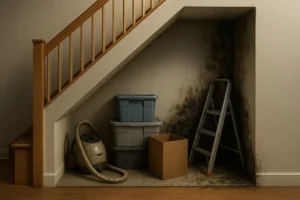
You walk into the living room, inhale, and there it is again: that funky, old-basement smell. You light a candle, blame the dog, wash the throw blankets, and still the scent sticks around. If your home looks like a jungle on Instagram, I’m going to say the quiet part out loud. The culprit might be right under your nose in those beautiful planters. Overwatered houseplants act like tiny humidifiers that happen to be great at growing mold. As a restoration pro who has yanked more moldy drywall than I care to remember, I’ve also traced more than a few musty rooms to soggy potting soil. The good news is you don’t have to pick between clean air and your Monstera. You just need better potting soil spore control and some smart habits that stop mold at the root.
Why Soggy Soil Breeds Mold
Mold spores are everywhere, including in bagged potting mix. That’s normal. The problem starts when moisture lingers. When soil stays wet, the surface evaporates water into the air and pushes your room’s relative humidity up. Once indoor humidity creeps above the mid 50s to 60 percent range for long stretches, spores get comfy and multiply. Every container is its own climate zone. A pot with no drainage, a heavy peat mix, or a decorative cachepot that traps runoff creates a stay-wet situation that fungi love.
On the soil surface, mold often looks like a dusting of white or gray fuzz. Give it time and it can shift to green or orange patches. It feeds on organic bits like fallen leaves, dead roots, and bark. If the pot sits in a saucer of water or a tight corner with stale air, you’ve basically built a spore stadium. The plant suffers too. Waterlogged zones kill roots and stall growth, so you end up with a musty room and a sad plant. Double win for mold, zero for you.
Spot The Signs
Start with your nose. Musty odors tend to hit hardest when you enter a room you’ve been away from, because your nose resets and notices the VOCs that fungi release. Visually, watch for fuzzy white mats on the soil, greenish slime around the rim, or mold dots on fallen leaves tucked behind pots. Plants that are overwatered throw yellowing leaves, feel limp, and sometimes show brown mush at the roots when you slide them out. Corners stuffed with greenery and no airflow feel warmer and damp, like a locker room for plants. If fungus gnats have moved in, that’s a sign your soil stays wet too long.
How Mold From Plants Affects You
Mold does two things you’ll notice: it tosses spores into the air and it emits musty-smelling compounds. If you have asthma, allergies, or you just like breathing without a tickle in your throat, that’s a problem. The soil isn’t a sealed box either. Persistent moisture raises humidity around nearby surfaces like window sills, curtains, shelving, and drywall. Over time, spores settle on damp dust and grow where you do not want them. We cover how moisture hides mold around homes all the time on our Hidden Mold page, and the same playbook applies to crowded plant corners. If that microclimate stays humid, you’ll chase odors forever.
Fix Drainage First
Drainage is non-negotiable. If your pot has no drainage hole, it’s not a planter, it’s a vase. Either drill a hole, use an inner nursery pot with holes, or swap the container. Use your decorative pot as a cachepot by slipping a holed nursery pot inside and lifting it out to empty runoff. Next, lighten your mix. Straight peat or heavy garden soil holds water like a sponge. Blend in perlite, coarse sand, or bark chips so water moves through the root zone instead of camping there. Finally, keep pots off standing water by using pot feet or a small stand. If water collects in the saucer, empty it within 15 minutes. Think of it like brushing your teeth. You do it, or you pay later.
| Common Setup | Better Setup |
|---|---|
| Ceramic pot with no hole | Nursery pot with drainage inside a cachepot |
| Peat-heavy mix | Fast-draining mix with perlite and bark |
| Pot sitting in a full saucer | Pot on feet, saucer emptied after watering |
| Plants crammed on a shelf | Plants spaced with airflow and light |
Real-world example time. We met a fiddle-leaf fig living in a sleek, hole-less pot. The owner watered lightly and often, thinking small sips would be safer. The soil never truly dried, fungus gnats turned the place into a runway, and the room smelled swampy. We slipped the root ball into a holed inner pot, added a barky mix, elevated it on pot feet, and changed watering to less frequent, deeper sessions. Two weeks later the odor was gone, gnats had nothing to party on, and new leaves popped right out.
Bottom-Watering Basics
Bottom watering is a simple trick that keeps the soil surface drier while still hydrating roots. Set the pot in a tray or sink with an inch or two of water and let the mix wick moisture up through the drainage holes. After 10 to 30 minutes, lift the pot, let it drain, and empty the tray. That last step matters. Stagnant water is gnat and mold fuel. Bottom watering shines for plants that hate wet crowns or leaves like African violets, and it helps reduce surface mold because the top layer isn’t constantly soaked.
How do you know when to water? Stick a finger into the soil. Wait until the top 1 to 2 inches feel dry. If you like gadgets, a moisture meter can help while you learn each plant’s rhythm. Deep watering, whether from the bottom or top, is fine as long as surplus drains away and you give the soil time to breathe between rounds. Cacti and succulents want even longer dry times than tropical foliage. One schedule does not fit all, but “keep the surface bone wet 24-7” fits none.
Spacing And Airflow
Plants are social, but they need personal space. When you pack them shoulder to shoulder, leaves overlap, air stalls, and moisture stays trapped. Leave a hand-width gap between pots so air can move. Bright, indirect light dries soil faster than an overcast corner. Morning sun from an east window is a solid option for many species. Add an oscillating fan on low for a couple of hours a day to disrupt humid microclimates, or crack a window when the weather plays nice. If a room’s humidity keeps creeping up past 60 percent, plug in a dehumidifier and aim for 40 to 50 percent. A ten-dollar hygrometer tells you where you stand so you’re not guessing.
Safe Cleaning Steps
Let’s clean the mess without turning your living room into a chemistry lab. Start by removing the fuel. Pick off and toss dead leaves, then gently scrape and discard the top half inch to one inch of moldy soil. Do not compost that material. Bag it and take it outside. Wipe the pot’s rim and the saucer with mild dish soap and water. If you spot a film on a non-porous tray, you can use a diluted bleach solution for disinfection. Mix one tablespoon of unscented household bleach in one quart of water, wear gloves and eye protection, ventilate the area, and let it stay wet for about 10 minutes before rinsing. Never mix bleach with ammonia or other cleaners.
For the soil surface, many growers dust a light sprinkle of cinnamon or apply neem oil as a mild antifungal. They can help, but the main fix is moisture control. Let the surface dry out between waterings, increase airflow, and correct drainage. Skip trying to sterilize soil in your oven or microwave. That creates awful odors, can damage containers, and you’ll reintroduce microbes the next time you repot anyway. If mold keeps returning even with good watering habits, it is time to inspect the roots and refresh the mix.
When You Should Repot
Persistent surface mold, sour-smelling soil, or roots that feel mushy are all signs the party has moved below the surface. Slide the plant out and look. Healthy roots are firm and white to tan. Rotting roots are brown or black and slough off when you run your fingers over them. If you see rot, trim the damaged sections with clean shears, rinse the root mass gently, and repot into a fresh, fast-draining mix. Clean the old pot with soap and water, then disinfect non-porous surfaces with a mild bleach solution before reusing. When you repot, set the crown at the same height, avoid packing soil like concrete, and water lightly to settle the mix. Then wait until the top layer dries before watering again. If the plant came from a waterlogged, peat-heavy mix, expect a recovery period. That is normal. You fixed the environment. Growth follows.
Quick Wins You Can Do Today
Open a window for 15 minutes and run a small fan to clear stale air. Empty all plant saucers. Pluck and trash all dead leaves hiding in pots. Test the top inch of soil in your thirstiest plant and skip watering if it is still damp. If a pot has no drainage, move the plant into a holed nursery pot and use the original as a cachepot. These tiny moves cut humidity spikes and slow spore growth right away.
Tools That Make This Easier
You do not need a greenhouse budget to get this right. A basic digital hygrometer lets you aim for 40 to 50 percent relative humidity in living spaces. A cheap moisture meter helps you learn each plant’s dry-down time, especially in large containers where fingers do not reach. Pot feet or small stands keep pots out of puddles. A small oscillating fan on a timer moves air without turning your living room into a wind tunnel. When you shop for soil, look for mixes labeled fast-draining, and grab a bag of perlite or bark to tune texture at home.
When The Smell Persists
If you fix drainage, switch to smarter watering, space plants out, boost airflow, and you still smell must, look beyond the pots. Check window sills for condensation, walls behind plant stands, the bottoms of curtains, and the dust on shelves. Moist, shaded areas are mold magnets. If you spot suspicious growth on building materials or you are battling humidity in more than one room, it might be a whole-home moisture issue, not just an overzealous watering can. Our team lives for this stuff. We can assess hidden moisture, track down the real source, and handle safe remediation when the problem is bigger than pots. See our tips on hidden mold and common water and mold signs, and reach out if you need a pro set of eyes.
FAQ
Is white fuzz on the soil always dangerous?
Usually it is a sign of too much moisture and poor airflow, not a five-alarm emergency. Fix the conditions first. Remove the top layer of moldy soil, let the surface dry between waterings, improve drainage, and move more air. If you have respiratory sensitivities, treat it sooner rather than later and avoid stirring it up while you work.
Will cinnamon or neem actually stop mold?
They can help slow surface growth, especially as a follow-up after you remove contaminated soil. Think of them as helpful, not magical. The real fix is moisture control through proper drainage, smarter watering, and airflow. If conditions stay soggy, mold returns no matter what you sprinkle.
How often should I water my houseplants?
There is no one-size-fits-all schedule. Water when the top 1 to 2 inches of soil are dry for most tropical foliage. Succulents and cacti want longer dry periods. Bottom watering is great if you empty the tray afterward. Err on the side of letting the surface dry. Overwatered houseplants cause more trouble than slightly thirsty ones.
Can houseplants seed black mold on walls?
Plants do not create the mold, moisture does. Overcrowded, poorly ventilated plant clusters can raise local humidity enough that spores settle and grow on nearby damp surfaces. Keep humidity in check, move air, and watch windows, walls, and fabrics near plant stands. If you already see growth on building materials, that is outside plant care and into building care. That is where we come in.
Are semi-hydro or LECA setups better for mold control?
They can be, because the root zone is better aerated and the surface often stays drier. You still need airflow, light, and clean reservoirs. Stagnant water in a semi-hydro container will still grow algae, gnats, or mold on surfaces if you ignore maintenance.
Do fungus gnats mean I have mold?
Gnats are more about wet, organic-rich soil, but the same conditions that grow gnats also favor mold. If you dry the top layer, improve drainage, and avoid leaving water in saucers, you usually cut both problems at once.
Case Files From The Plant Corner
We once cleared a persistent musty odor from a home office that had a dozen plants lined on a bookshelf under a grow light. The client watered with a mister daily and topped off saucers weekly. Humidity sat at 65 percent, and the shelf dust had a fine pale film. We spaced the plants, added a small fan on a timer, swapped heavy mixes for fast-draining blends, and switched watering to bottom-soak once every 7 to 10 days with proper drain time. Hygrometer dropped to 48 percent and the smell faded in three days. No walls to cut, no demo, just smarter plant care.
Your Next Steps
Pick one plant you suspect. Check for a drainage hole, test the top inch of soil, and find its saucer. Fix those three things and see how the room smells in a week. If you want more guidance on stopping hidden moisture, see our resources on water and mold signs and how mold hides in homes. If the musty odor laughs at your efforts, call us. We handle water, mold, and the messes that outgrow your spray bottle, while helping you keep the plants you love without turning your home into a greenhouse for spores.
Water Damage And Mold Signs | Hidden Mold | Plants That Fight Mold