Oxygen therapy saves lives. Oxygen around open flames and heat sources turns tiny sparks into big problems. This guide keeps it simple and a little spicy so you remember it. You will learn oxygen tank safety at home and oxygen concentrator fire safety from placement and tubing to cooking, electrical tips and what to do if things go sideways. Whether you are the patient or the caregiver, print the checklist, put up a No Smoking sign, and let us keep fire out of the picture.
Why oxygen raises fire risk
Oxygen itself does not burn. It super charges burning. In normal air, there is about 21 percent oxygen. When you add medical oxygen into the room, fabrics, hair, bedding and clothing soak it up. That enriches the environment so a tiny ember can become a fast and intense fire. This is why smoking and open flames near home oxygen lead the list of house fire triggers tied to oxygen use. The American Lung Association and state fire agencies say it plainly. No smoking around home oxygen, keep clear distance from heat sources, use alarms and plan an escape route American Lung Association and Massachusetts Dept. of Fire Services. Fire service groups also urge families to tell firefighters that oxygen is in use and to add safety parts like firebreaks in the tubing IAFC HOT toolkit.
Five facts to lock in your brain. Do not smoke anywhere oxygen is used. Keep oxygen gear several feet away from stoves, candles, grills and space heaters. Plug concentrators straight into a grounded wall outlet and keep vents clear. Keep cylinders upright and secured and do not stash tanks in hot closed spaces like a car trunk. Set up a plan for power outages and make sure smoke alarms work ALA and Ready WV.
Top safety rules that actually work
You do not need a PhD to keep oxygen at home without drama. Use these straight talk rules and you cut risk by a mile.
No smoking and no flame zones
This is the deal breaker. No smoking in the home, garage, porch, or anywhere oxygen is in use or has been used recently. Oxygen clings to hair, clothes, bedding and furniture. Turning the oxygen off does not magically fix that. Many state fire guides say the same. Keep at least 5 to 10 feet between oxygen gear and any open flame. If you have the space, push that to 15 feet for extra breathing room in kitchens and around heaters. Post a No Smoking Oxygen In Use sign at entrances for visitors and caregivers Mass.gov oxygen safety and ALA guide.
Placement and ventilation for concentrators
Concentrators need air. Do not wedge them in closets, cabinets or corners under piles of blankets. Keep the machine 12 to 18 inches away from walls, curtains and furniture. Never set anything on top of the concentrator. Keep intake and exhaust vents open so the unit can breathe and stay cool. Blocked vents can overheat the machine and raise fire risk MJHS oxygen safety and ALA.
Electrical setup for concentrators
Plug your concentrator into a properly grounded wall outlet. Skip extension cords and overloaded power strips. Do not share the outlet with toasters, space heaters or window AC units. Pull the plug gently by the plug body not the cord. Keep cords where you will not trip on them and where pets cannot chew them. If the outlet or plug feels hot, stop using it and call your supplier MJHS oxygen safety.
Handling and storage for oxygen cylinders
Compressed gas cylinders need respect. Keep tanks upright and secured using a stand, cart or wall strap. Do not lay tanks on beds or sofas. Do not store them in unvented closets, near heat sources or in a closed car. Never leave cylinders rolling around in a trunk. Keep protective caps on when not in use. If a tank looks damaged or leaks, move it outside away from heat and call your oxygen supplier right away Ready WV oxygen tips and NCOA home oxygen safety.
Tubing safety and trip control
Oxygen tubing is a serious trip line. Keep it away from heaters, candles and stove burners. Do not run tubing under rugs or across doorways where it can snag or hide. Keep length reasonable so it does not coil into loops around chair legs. Ask your supplier for swivel connectors and tubing clips to route lines along walls. Replace tubing on the schedule your provider recommends, and any time it looks brittle, yellowed or kinked. Check for firebreaks in the tubing near the patient and near the source. These small thermal valves can stop a flame traveling through tubing IAFC toolkit and ALA safety.
Avoid oils, grease and aerosols
Oil and oxygen are a bad match. Skip petroleum products on skin or lips such as Vaseline and oil based vapor rubs. Choose water based lotions instead. Keep hair spray, aerosol cleaners, alcohol based sanitizers and solvent sprays away from oxygen. These products can flash in oxygen enriched air. Let nail polish remover evaporate far from the machine. If you use sanitizer on hands, let them dry before touching equipment MedlinePlus oxygen safety and ALA.
Cooking without the oh no
Cooking adds flame and hot surfaces. That calls for extra space. Keep oxygen equipment away from the kitchen zone when burners are on. The safest move is to step back from gas burners while the cannula is in place. Talk with your clinician about safe practices for your setup. Many folks use the microwave or an induction cooktop when on oxygen since there is no open flame. No leaning over a pan while wearing a cannula. Keep tubing away from pot handles. Tie back long hair. If you use a grill, keep oxygen far away and never wear the cannula near the grill. Supervise every cooking session end to end ALA safe use tips.
Heat sources and home appliances
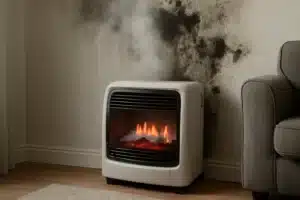
Give oxygen space around fireplaces, wood stoves, candles, incense, water heaters and furnaces. Space heaters are common fire starters, so keep them clear of tubing and fabrics and use models with tip over shutoff. For more everyday heater guidance, check our take on space heater and appliance fire risks. Keep oxygen away from anything that gets red hot or produces sparks.
Battery and electrical risks to avoid
Lithium batteries are fantastic for gadgets, and a real problem when damaged, crushed or overcharged. Keep e bikes, scooters, power banks and charging hubs well away from oxygen equipment. Charge them in a clean area with a smoke alarm and keep a safe distance. Learn common signs of battery trouble and how to reduce charge related fire risk in our post on battery and electrical fire risks to avoid near oxygen.
Backup oxygen and power outages
Storm knocks out power and the concentrator goes silent. That is not the time to improvise. Ask your supplier for backup cylinders and how long they will last at your prescription flow. Keep a list on the fridge with flow rate and expected hours for each tank size. If your health team approves it, consider a generator or battery backup for the concentrator, and test the setup before you need it. Tell your electric company you have life supporting medical equipment so you can get priority alerts. During an outage, call your supplier early for refills and support MedlinePlus and ALA.
What to do if something ignites
If tubing, clothing or a surface near the oxygen starts to burn, seconds count. Do not try to play firefighter without gear.
Steps that help. If you can reach the oxygen source without passing flames, shut off the valve or switch. Remove nasal cannula or mask right away. Get everyone out of the room and out of the home. Call 911 from outside. Tell dispatch and the arriving crew that oxygen equipment is present. Do not go back inside for pets or belongings. Firefighters are trained and equipped for that. Fire service groups have additional guidance for patients and caregivers in their Home Oxygen Therapy materials IAFC HOT toolkit.
When to call 911
Any fire or smoke beyond a tiny candle like flicker. Any scorched tubing or equipment. Any person with burns, smoke exposure or breathing trouble.
Even small oxygen related fires leave hidden smoke deposits, melted plastics and residues that can trigger health issues. We created a guide to common post fire hazards and cleanup so you know what lives in walls, vents and fabrics after the flames go out.
Maintenance and when to replace gear
Home oxygen devices are medical equipment. Use only prescription, FDA cleared devices from your clinician and supplier. Keep paperwork and register your products with the manufacturer so you get safety notices. The FDA tracks adverse event reports and recalls, which is another reason to use approved devices and keep them serviced. You can search public reports to see that recalls and safety notices do happen for concentrators and accessories FDA MAUDE example.
Follow your supplier’s cleaning schedule for filters, humidifier bottles and cannulas. Replace single use parts on the timetable they provide. If the concentrator alarms, shows a warning light or sounds different than usual, call your supplier. Do not tape or glue a cracked housing. Do not use a device with a scorched cord, a loose plug or a smell of hot plastic. If a unit overheats or shuts down often, get it serviced or replaced.
Emergency planning that saves lives
Make a plan everyone can follow when the smoke alarm shouts. Draw a simple escape map with two exits from each room if possible and a meeting spot outside. Practice a short walk through with caregivers. Put a No Smoking Oxygen In Use sign on outside doors and in the main living space. Check smoke alarms every month and swap the batteries on a regular schedule. Many departments recommend at least one multi purpose fire extinguisher for small incidents in the early stage. If you use oxygen at home, tell your local fire department during their community outreach hours. They can add a note so crews know to look for tanks and tubing. Tell the electric company you have medical equipment at home so you get outage alerts and support MedlinePlus oxygen safety and ALA.
If a fire ever happens, the damage is not only what you can see. Soot finds every crack, and smoke chemistry is nasty. Take a look at our post on restoration after a home fire to understand how severity and smoke change the cleanup plan.
One more reality check. News stories about care homes and private houses show how fast oxygen can turn a small spark into a fatal event. Recent reporting about an assisted living fire where oxygen may have been a factor is a hard reminder that the rules above save lives AP News coverage. Keep the no flame zone and the no smoking rule, every day, no exceptions.
Quick home oxygen safety checklist
Print this and stick it on the fridge. Add your supplier phone number and your flow rate.
- No smoking anywhere oxygen is used or stored. Put up a No Smoking Oxygen In Use sign.
- Keep oxygen gear at least several feet from stoves, candles, fireplaces and space heaters. Go for 10 feet or more when you can.
- Plug concentrators into a grounded wall outlet. No extension cords or overloaded strips. Keep vents clear on all sides.
- Secure cylinders upright with a stand, cart or strap. Do not store in closets without airflow or in a car trunk.
- Route tubing along walls. Avoid rugs, doorways and burners. Replace tubing as directed.
- Skip petroleum lotions and aerosols near oxygen. Use water based products.
- Cooking safety. Keep oxygen away from gas flames. Prefer microwave or induction when on oxygen.
- Backup plan ready. Know how long each tank lasts. Tell your electric company you use medical equipment.
- Smoke alarms working in every bedroom and on every level. Keep at least one fire extinguisher handy.
- Post an emergency plan. Practice exit routes and a meeting spot.
Need a simple sign Fast fix. Write No Smoking Oxygen In Use on a bright sheet and tape it next to the front door and near your main living area. Many suppliers can provide a printed sign as well.
FAQs
Can I smoke if I turn my oxygen off?
No. Oxygen can saturate clothing, hair, bedding and the room. Turning the device off does not make smoking safe in a home where oxygen is in use. The consistent advice from state fire services and medical groups is no smoking in these homes Mass.gov guidance.
How far should oxygen be kept from my stove or heater?
Keep a wide zone. Many guides recommend at least 5 to 10 feet from flames and heat sources. Use more distance if you can, up to around 15 feet, especially with gas stoves and portable heaters Massachusetts Dept. of Fire Services.
Can I use an oxygen concentrator outdoors?
Portable concentrators are made for mobility. Keep them dry and shaded, and follow your device manual and supplier instructions for filters and batteries. Ask your supplier about safe outdoor use for your model. Device makers provide guidance for home and portable units Inogen product info.
What should I do during a power outage?
Switch to backup cylinders or a battery plan that your clinician approved. Call your oxygen supplier early for refills. Tell your electric company you have medical equipment at home so you get outage alerts and help ALA oxygen safety.
Can I use lotion with oxygen therapy?
Yes, pick water based lotions. Skip petroleum products and oil based balms. Avoid aerosol sprays around oxygen. These products ignite easily in oxygen enriched air MedlinePlus.
Do I need special parts on my tubing?
Ask your supplier about firebreaks or thermal fuses in the tubing near the patient and near the source. They can stop a flame moving through the line and reduce injury risk. Your supplier can install them and show you where they sit IAFC HOT toolkit.
After a fire what comes next
If an incident happened, your first calls are to 911 if it is active and to your medical team once safe. When the smoke clears, you may face cleaning, deodorizing and repairs. We wrote about the costs of fire and smoke damage so you can talk to your insurer and vendors with less stress. For small scorch events tied to oxygen, do not trust your nose. Microscopic soot can linger in HVAC and upholstery. Peek at our list of hidden fire hazards after an oxygen related fire to decide what needs professional attention.
A few caregiver pro tips
Write the prescription flow rate on a large note near the concentrator. Label backup tanks with expected hours at that flow. Put the supplier phone number on the fridge and in the cell phones of family members. Add a reminder in your calendar to test smoke alarms monthly. Keep a small flashlight next to the bed and a larger one near the front door for outages. Practice unclipping the cannula with eyes closed so you can do it fast in the dark. For patients with memory issues, set visual reminders for the no smoking rule and the cooking distance rule. Keep a laundry basket just for oxygen friendly bedding and clothes so sparks from past smoking residue do not sneak back in.
Final word
Oxygen therapy is the hero. Fire is the villain. The rules in this guide keep the hero on stage and the villain off the set. No smoking. No open flame near oxygen. Smart placement, tidy tubing and calm plans for outages and emergencies. If you ever face damage from a fire, get safe first, then lean on pros who live and breathe restoration. And as always, for medical device settings and changes, call your clinician or supplier. For anything that looks or smells like a fire, call 911 right away.