Hear that scratching over your ceiling at 2 a.m.? That’s not ambiance, it’s a furry electrician with zero licensing and a chewing habit. Rodent-chewed wiring is a top-tier attic hazard that can trigger arcing, smoldering, and then the kind of attic smoke cleanup nobody wants to add to their weekend plans. I restore homes for a living, and I’ll show you how to spot gnawed runs before they bite you, harden your attic against pests, add electrical protection that chops ignition risk, and if the worst already happened, how to clean soot safely, beat stubborn odor, and keep your insurance claim tidy and approved.
Is Chewed Wiring In Your Attic A Fire Risk?
Yes. Rodents chew constantly to control their incisors, and PVC wire jackets are basically their chew toy. Once insulation is compromised, conductors can contact each other or grounded metal and create high-heat arcs. In an attic full of dry wood, lint, and nesting fluff, that arc is a match waiting for tinder. The danger is sneaky, too, because attic fires often smolder first, loading your home with corrosive soot and sour odor long before anyone sees flames.
Common culprits are exposed NM-B cable draped across open joists, stapled runs with slack, and low-voltage lines for security or internet that look harmless until they share space with energized conductors. Add a racetrack of entry points along soffits and vents, and you’ve got a hazard cocktail.
Spotting Rodent-Chewed Wiring
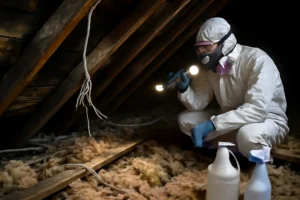
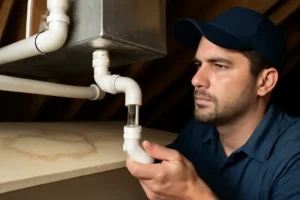
Start with safety. Kill power to the circuit you’re inspecting at the panel and verify it’s off with a contactless tester. Wear gloves, eye protection, and a respirator rated P100 if you’re in dusty insulation. Bring a bright flashlight, not your phone light, and move slow. You’re looking for U-shaped gnaw marks, missing plastic jacket, green or black corrosion on copper, or fine shavings that look like colored confetti near wires. Follow wire paths over trusses, around can lights, and near junction boxes where slack invites nibbling.
Other red flags include flickering lights on a single circuit, breakers that trip without a clear cause, phantom buzzing near the attic, and a faint hot-plastic smell after fixtures run for a while. If you find scorch marks on wood or insulation around a wire, stop and call a licensed electrician. Same for any splices that aren’t in a covered junction box or are wrapped with ten miles of electrical tape like a DIY burrito.
Also scan for active rodent signs: droppings, greasy rub marks on framing, tunnels in blown-in insulation, and gnawed edges on gable vents or soffit screens. If you see fresh droppings or hear movement while you’re up there, back out and call wildlife control. I like brave, but I like smart more.
Hardening Your Attic Against Rodents
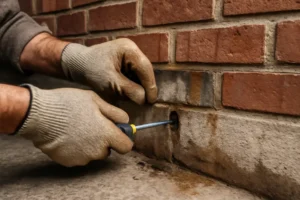
Lock the doors first. Seal exterior entry points with materials rodents hate and can’t chew through. That means 1/4-inch galvanized hardware cloth on gable vents and soffit vents, stainless-steel wool packed tight around pipe and cable penetrations with a high-quality sealant over it, and proper flashing repairs where roof lines meet walls. Trim tree branches 6 to 8 feet from the roof edge so you’re not running a squirrel skybridge right into the attic. Keep stored food and birdseed out of garages and attics, and don’t leave pet food outside overnight unless you want to run a midnight buffet.
Now protect the wiring. Anywhere cable runs are exposed, upgrade vulnerable sections into metal conduit or use MC armored cable where code allows. Add abrasion-resistant bushings where wires pass through metal. Keep cable tight to framing with proper staples and guard plates so it’s not sagging like a buffet line. In areas with known rodent traffic, protective wire guards or even flexible metallic conduit are cheap insurance compared to a scorched roof deck.
As for control methods, snap traps placed along runways work, but avoid poison if you can. Poison buys you a different smell problem: decomposing rodent in the insulation, which is a special kind of aromatherapy no one wants. A licensed wildlife pro can trap and exclude without turning your attic into a pet cemetery.
Electrical Upgrades That Cut Ignition
Talk to your electrician about adding arc-fault protection to circuits that run through or feed the attic. Arc-Fault Circuit Interrupter breakers are designed to detect signature arcing and trip faster than a standard breaker. Combination AFCI or dual-function AFCI/GFCI devices may be appropriate depending on the circuit and local code. They’re not magic force fields, but they reduce the odds that a tiny gnaw becomes a full-on fire.
Replace every damaged section of cable completely, not just the visible bite. Splices must be inside accessible, covered junction boxes with proper connectors. No buried splices in insulation and no tape-only “fixes” unless you’re trying to give your future self a heart attack. If you have older, brittle NM cable or sketchy homeowner wiring, consider a more thorough re-run along protected paths, and add labels at the panel so troubleshooting later is not a guessing game.
Finish with a professional inspection. A licensed electrician can megger-test insulation resistance, thermal-scan suspect connections, and confirm all device boxes and can lights are rated and installed correctly for contact with insulation. It’s a lot less expensive than rebuilding a roof.
What To Do After An Attic Fire
First, clearance. Do not re-enter until firefighters or your local authority says it’s safe. Structural elements like trusses can look fine and still be compromised by heat. Shut off power to affected circuits at the main panel until an electrician clears them. If firefighters used water, you’ve got a ticking mold clock, so call a restoration team to start extraction and drying within 24 to 48 hours.
Before anyone touches a thing, document. Take slow, well-lit photos from every angle: the ignition area, burned or chewed wiring, soot on trusses, insulation, contents, and each access route down to the living spaces. Get video of the walk-through while narrating what you see. Bag any obviously chewed wire offcuts your electrician removes and label them. That little trophy can make insurance conversations a whole lot easier.
Attic Smoke Cleanup That Works
Soot is acidic, conductive, and clingy. The rule is dry before wet. Open access and set containment to keep soot from drifting into clean rooms. HEPA air scrubbers go near your work zone to capture disturbed particles. Start at the top: gentle HEPA vacuuming of rafters, decking, and surfaces using a soft brush attachment, then dry-chemical sponges on sheathing and framing. These vulcanized rubber blocks lift residue instead of smearing it. Wipe in one direction, quarter-turn the sponge, then switch to a fresh side as it loads up. If you smear soot with a wet rag, you just made a watercolor painting of your problem.
Once dry removal maxes out, move to targeted wet cleaning. For carbon-heavy residues, an alkaline smoke cleaner helps break down oils. For tarry deposits, step up to a compatible solvent cleaner with caution and ventilation. Rinse and allow for full drying. Porous wood might need multiple passes, and unfinished OSB and plywood can be especially stubborn. If insulation got smoke contaminated, removal and replacement is usually faster, cheaper, and healthier than trying to deodorize it. Bag it tight and HEPA vacuum the cavities before new insulation goes in.
Electronics and appliances in the attic or nearby rooms should not be powered up until inspected or professionally cleaned. Soot conducts and corrodes boards. Turning them on can turn a restorable item into a doorstop.
Odor Control That Actually Sticks
Good odor control is a process, not a perfume. After source removal and cleaning, run deodorization that pairs with the chemistry of what burned. Hydroxyl generators are great during cleaning with occupants present, as they neutralize odor molecules gradually. Ozone can help on unoccupied projects when used correctly, but it requires strict controls and off-gassing time, and it can degrade rubber and certain textiles. Thermal or ULV fogging with a smoke-odor counteractant can penetrate framing voids and sheathing, but fogging without prior cleaning is just minty soot.
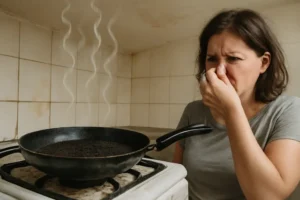
When cleaning and deodorization reduce odor but a faint char lingers, seal the substrate. Apply a smoke-sealing, high-solids primer on cleaned, dry wood sheathing and framing. This locks in any microscopic odor reservoirs and gives you a proper base for new finishes or fresh insulation. If you had a kitchen fire tied into the same event and the odor smells rancid or meaty, that’s protein soot, which is almost invisible and laughs at standard cleaners. Enzyme-based products formulated for protein residues are the ticket in those areas.
HVAC Ductwork: Clean, Seal, Or Replace?
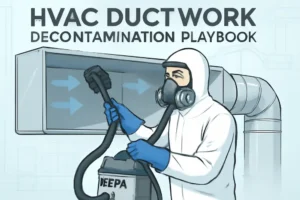
Attic smoke loves to hitch a ride through your HVAC and set up camp in flex duct, returns, and coils. Turn off the system right after the incident and change the filter, then seal registers during cleaning to avoid redistributing soot. For metal ducts that are structurally sound, a professional NADCA-style cleaning with mechanical agitation and HEPA collection can remove particulate. Coils and blower cabinets need attention, and a post-cleaning inspection should confirm no residual odor or film.
Flex duct is a different story. If the inner liner absorbed smoke or soot, replacement is often the faster, cheaper, and better smelling path. After cleaning or replacing, consider mastic-sealing any leaky joints and plenum connections so the system is not pulling in attic air. Finish with a captured-particle and odor check before you fire the system back up for real.
Insurance And Documentation
Here’s the wrinkle that surprises people: many homeowners policies exclude damage caused by rodents, but they do cover fire and smoke as a named peril. Translation: the gnawed wire itself might not be covered, but the resulting fire and smoke damage usually is. Always confirm with your carrier and policy language.
Give your adjuster a clean, organized package. Include:
- Photos and video of the ignition area, gnawed wiring, and spread of soot.
- Electrician’s report stating damaged sections and repairs made.
- Restoration scope showing cleaning steps, disposal quantities, and materials replaced.
- Moisture and drying logs if water was used to extinguish the fire.
- HVAC cleaning or replacement documentation and post-clean checks.
If you’re working with a restoration company that lives in this world, they’ll generate itemized estimates and daily notes that make adjusters smile instead of squint. The faster you supply proof and a clear scope, the faster the approval and rebuild.
Costs: What To Expect
Every attic is different, but here are typical ranges I see in residential projects. Your zip code, access, square footage, material choices, and severity will move these numbers up or down.
| Scope Item | Typical Range |
|---|---|
| Electrical Repair Of Chewed Wiring | $300 – $3,000+ |
| Attic Smoke Cleanup And Sealing | $1,500 – $10,000+ |
| Insulation Removal And Replacement | $2.00 – $4.50 per sq ft |
| HVAC Duct Cleaning | $600 – $2,500 |
| HVAC Flex Duct Replacement | $2,000 – $8,000+ |
| Deodorization Equipment And Chemistry | $500 – $2,500 |
| Water Extraction And Structural Drying | $1,000 – $5,000+ |
| Pest Exclusion And Sealing | $300 – $2,000+ |
When insurance is involved, many of these line items roll into a single claim with depreciation and code-upgrade considerations. Keep receipts for everything, including electrician visits and rodent exclusion.
Maintenance And Monitoring
Rodent-proofing is not a one-and-done victory lap. Reinspect your exterior once a season, especially after storms. Look for fresh gnawing, new gaps, or lifted flashing. Pop the attic hatch twice a year and scan with a bright light. Test your AFCI and GFCI devices monthly using the built-in test buttons, and if a breaker trips repeatedly, investigate instead of just flipping it back on. Replace filters on time so your HVAC is not pulling in attic funk. If you added sealing or hardware cloth on vents, make sure it’s still tight and corrosion-free.
Keep storage away from wiring paths so you can actually see cable runs. If you bring contractors into the attic for anything, remind them not to crush or bury wires under boards or boxes. Good housekeeping is a safety feature.
FAQs
How Do I Know If The Damage Is Fresh?
Fresh gnaw marks look pale on plastic jackets and may have tiny curls of new shavings nearby. Older damage darkens, collects dust, and may show oxidation on the copper. Pair what you see with recent noises, droppings, or odor to judge activity level.
Can I Just Tape Over A Small Nick In The Wire?
No. Damaged insulation is a failure point. The safe repair is to cut back to undamaged cable and make a code-compliant splice in a covered junction box or replace the run. Tape is for labeling, not for fixing life-safety problems.
Do I Really Need AFCI Protection In Circuits That Run Through The Attic?
You should talk with a licensed electrician. AFCI protection is widely required for many dwelling circuits under current electrical codes and can reduce ignition from arcing faults. Whether you add a breaker or a device, your electrician will match protection to your panel, conductors, and local code.
How Long Does Smoke Odor Last After An Attic Fire?
If you only air it out, odor can linger for months. Proper cleaning, deodorization, and targeted sealing usually knock it back in days to a couple of weeks, depending on severity and how deeply it penetrated wood and insulation.
Should I Clean My Ducts Or Replace Them After Smoke?
Metal ducts with light to moderate contamination often clean up well with professional methods. Flex ducts that absorbed odor or show soot inside are commonly replaced. A post-cleaning inspection and odor check guide the decision.
Will Insurance Cover Fire From Rodent-Chewed Wiring?
Most policies exclude direct rodent damage but cover resulting fire and smoke. That means your cleanup, deodorization, and rebuild are often covered, while the pest control and wire replacement might not be. Always confirm with your carrier.
Pro Tips From The Trenches
Keep a dedicated attic inspection kit: flashlight, respirator, knee pads, and a non-contact voltage tester. Label rafters with painter’s tape to mark found issues so your electrician or wildlife pro knows exactly where to look. If you remove smoke-contaminated insulation, measure and record thickness and type before demo so you can replace apples to apples. When deodorizing, run equipment after hours and cycle the house with windows cracked on cool mornings to encourage exchange without spreading soot. And if your attic hatch is in a hallway, tape up plastic containment before you start so you’re not vacuuming black footprints off the carpet for days.
Resources And References
If you want to read more on causes and prevention, check these out:
- NFPA on home electrical fires
- Tips to avoid rodent electrical damage
- Why animals chew wires and how to stop them
- NADCA homeowner guide to HVAC cleaning
- Why rodents chew wiring and how to prevent it
Ready For Help?
If you’re staring at suspicious gnaw marks, a funky attic odor, or a sooty hatch, get a pro on the schedule. My team handles attic smoke cleanup, odor neutralization, water drying, and documentation that makes insurance adjusters breathe easier. We also coordinate with licensed electricians and wildlife control so you’re not stuck playing general contractor. Reach out for an inspection and a straight-shooting plan to get your attic safe, clean, and boring again.