Protect your instruments and acoustic treatments by controlling studio humidity, improving airflow, and using smart storage. Small leaks or condensation can lead to mold within 24 to 48 hours, so this guide gives you clear, gear focused steps to keep guitars, pianos, microphones, and acoustic panels in top shape. Health agencies recommend indoor relative humidity stays at or below 50 percent and wet materials are dried fast. Your music deserves better than that musty backup singer called mold.
Why mold hits home studios
Studios are quiet, padded, and full of wood, foam, and fabric. In other words, a buffet for mold if moisture shows up. The two culprits are almost always extra humidity and poor airflow. Add cold walls or windows where moisture condenses and you get damp spots that never dry. That is where mold moves in and starts chewing on tone, finishes, and your sinuses.
The fix is usually unglamorous. Keep the air drier, move air across materials that like to stay damp, and stop water intrusions early. The Centers for Disease Control and Prevention advises keeping indoor relative humidity at or below 50 percent and drying wet materials within 24 to 48 hours. That target is friendly for most instruments and very unfriendly for mold.
For hands on daily habits that actually work in small creative rooms, lean on home studio humidity control and ventilation tips that cover fans, dehumidifiers, and basic leak patrols.
Humidity, condensation, storage
Humidity is the amount of water vapor hanging out in your room air. If it climbs, porous materials like wood, cloth, and foam soak up moisture. Condensation is the wet ring that forms when humid air hits a colder surface like an exterior wall or a single pane window. Poor storage is the cherry on top, like packing a guitar into a case after a sweaty session or pushing a panel tight to a chilly wall. Each of these creates a wet micro climate that mold loves.
Keep humidity stable, keep surfaces warm or at least ventilated, and store gear dry. None of that needs to be fancy. A $10 digital hygrometer, a fan, and a little common sense will do more for sound and health than a drawer full of boutique cables.
Quick checks this week
You do not need to tear the room apart. Do a calm walk through with your nose and your eyes. Start with a sniff test. If you smell a consistent musty odor after the room has been closed up, take it seriously. Then look behind and under things. Pull one acoustic panel and check the back and the wall. Pop open a guitar case and feel for damp or that sticky feel on leather straps. Check window corners and the bottom edge of exterior walls for any sign of condensation or staining. After a long session, look for fogging on windows and mirrors. That is a sign the room needs a quick humidity dump with fresh air or a dehumidifier cycle.
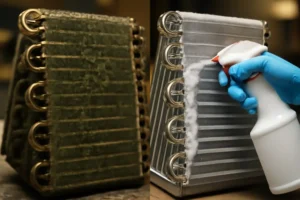
Look at HVAC vents and returns. Dust plus moisture becomes a bio playground. If you see visible growth inside the HVAC or smell mustiness when the system kicks on, plan to pause and get a professional opinion. That is not a do it yourself moment.
Humidity and drying numbers
Here is the part where numbers actually help. The CDC guidance is simple and very music friendly. Keep indoor relative humidity at or below 50 percent, and aim for a steady 30 to 50 percent range. If any material gets wet, dry it within 24 to 48 hours. Those two numbers prevent most problems before they start. They are also the easiest way to keep wood from swelling, foam from staying clammy, and finishes from getting weird.
Use a visible digital hygrometer near ear height in the middle of the room and another one closer to floor level near panels or bass traps. Move fans and a dehumidifier based on what those readings show. If your readings swing wildly between morning and night, you will get better results by calming those swings than by chasing a perfect number. Stability beats perfection.
For official guidance on humidity targets and drying timelines, read CDC mold basics at cdc.gov. That source is the reason you will see 24 to 48 hours quoted in every credible remediation playbook.
Acoustic panels and foam care
Acoustic panels and foam sound great, but they also hold moisture like sponges. That is fine in a balanced room and a headache when humidity sneaks up. The weak points are direct contact with cold walls, lack of airflow behind panels, and panel fabrics that never fully dry after humid sessions.
Leave a finger wide air gap behind panels and bass traps so air can move across the back. Use breathable mounting hardware instead of pressing a full panel flat to the wall with adhesive alone. If a wall is an exterior wall or frequently cold, favor freestanding traps or frame mounts with extra spacing. This is especially helpful for acoustic foam which can trap humid air next to cold drywall. Mark your calendar to pull a panel once a month and feel the back. If it is clammy or has a dust paste on the surface, let it dry somewhere warm and ventilated before rehanging.
Skip damp basements unless you can keep humidity in range all year. Panels stored on a basement floor soak up moisture from concrete. If you must store panels, elevate them and let air circulate. When a panel or foam piece has stayed damp for days and smells earthy, it often makes more sense to retire it instead of trying to deep clean a porous sponge. You can see basic seasonal maintenance ideas in All Nation’s guide to prevent water damage.
Instrument precautions
Every instrument has quirks. You do not have to turn into a luthier to keep things safe. Think stable humidity, dry cases, and regular checkups.
Guitars
Most wooden acoustics and hollow electrics are happiest around the mid 40s percent relative humidity. Too dry and you will see fret sprout and top sink. Too wet and you will see swelling, top bulge, and glue joint stress. Store guitars in cases when not in use, and use an instrument humidifier or small desiccant packs when your room swings outside that 30 to 50 percent band. Never put a guitar back in a closed case while it is still damp from a humid session. Wipe it down and let it air for a few minutes first.
Keep guitars off exterior walls and away from windows. A wall can feel dry to your hand and still be cold enough to cause condensation behind a hanging instrument. A basic stand with a little clearance is safer than a wall hanger in many rooms. If you love wall hangers, give the wall a bit of warming airflow using a small, quiet fan pointed gently across the surface during humid weather.
Pianos
Pianos like stability most of all. Uprights against cold exterior walls are moisture magnets. Give the back a little space and keep the room on that 40 to 50 percent target. After big seasonal humidity swings, schedule a tuning. If you notice sticking keys or slow action in humid weeks, do not force anything. Stabilize the room first, then call your tuner. If you use a piano heater or a built in humidity system, treat that as a helper, not a fix for a swampy room.
Microphones and cables
Condensation on mic grilles and foam windscreens breeds odor and growth. Leave foam windscreens somewhere airy after each session instead of trapping moisture in a mic case. If a grille smells musty, remove it if the design allows and clean it with a mild detergent solution. Let it dry completely before reassembly. Store mics in cases with a small silica gel pack and swap packs when they saturate. Cable boxes can stay surprisingly damp. Crack the lid between sessions or toss in desiccant and rotate it out regularly.
Keyboards, synths, and amps
Electronics do not like humidity either. The risk is less about mold on circuit boards and more about corrosion and dust caked with moisture. Keep gear a little off the floor, run gentle airflow across the back of racks, and wipe dust before it cakes. Cloth amp grills and tolex can harbor growth if they stay damp. A small fan cycle after humid rehearsals goes a long way.
When gear needs a pro
If you see widespread spotting on the backs of panels, smudges spreading on drywall, or you get that basement smell every time the HVAC kicks on, stop and get help. Professionals have moisture meters and drying equipment that can map and fix the source before you throw money at the wrong thing. Large growth, HVAC contamination, or anything near a vulnerable occupant is a call in moment, not a do it yourself scrub.
Simple gear and habits
A few low drama tools and habits prevent most studio mold problems. Start with two digital hygrometers. Put one at ear height where you sit and another low near panels or near a suspected cold wall. If the lower reading runs higher, you have a pocket of damp air. Aim a small quiet fan to move air across troublesome areas. Then add a dehumidifier sized for your square footage. For small rooms, a compact unit is fine. For larger spaces or open concept rooms, a full size unit with a hose drain saves a lot of bucket trips.
Use your bathroom exhaust fan after long vocal or drum sessions if that fan vents outside. If your studio has a dedicated exhaust, run it for a few minutes after the last take. On cool dry days, crack a window for a short and controlled fresh air exchange. If outdoor weather is steamy, keep windows closed and rely on mechanical dehumidification.
Check for slow leaks every month. Look under sinks, around the water heater, and in any attic or crawl space above the studio. A slow drip can spike humidity without obvious puddles. If you do get a spill or mini flood, act fast. Extract standing water, lift rugs or absorptive mats, and run dehumidification right away. If the space is soaked or you cannot dry it inside that 24 to 48 hour window, call for emergency water extraction and drying to save the room and the gear.
If you find mold
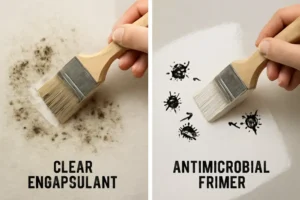
Take a breath. Small, isolated patches on non porous surfaces can often be cleaned safely. CDC guidance allows cleaning small areas with detergent and water or a diluted bleach solution. Wear personal protective equipment. That means an N95 respirator, gloves, and eye protection. Ventilate the room while you work and bag any contaminated wipes or disposable towels. Never mix bleach with ammonia or other cleaners. If you are not sure what was used on that surface before, skip bleach and use detergent.
Porous items like acoustic foam or heavily contaminated textiles are hard to clean thoroughly. If a foam windscreen or a budget panel smells earthy after washing and drying, replacement is usually the right call. Drywall with widespread staining or fuzzy growth needs professional assessment and removal following industry standard methods.
When a job gets bigger, ask for professional remediation that follows the ANSI IICRC S520 standard. The current S520 2024 edition sets out how pros assess, contain, remove, and verify. You can read about the publication at IICRC S520 2024. If you are seeing any of the common triggers for professional help like large areas greater than ten square feet, persistent musty odor, or HVAC involvement, check All Nation’s guide on when to call professional mold removal.
For CDC cleanup guidance, including what to wear and safe methods, read the cleaning and PPE pages at cdc.gov mold cleanup and what to wear.
Insurance and documentation
Even small music rooms hold a lot of value. If water damage or mold shows up, start a simple log. Take photos and short videos before any cleanup. Note dates, humidity readings, and what you did. Save receipts for dehumidifiers, fans, and any service calls. Many homeowner policies exclude mold caused by high humidity or poor maintenance but may cover sudden and accidental water damage. To see what is commonly covered and how to talk to your agent, read All Nation’s guide to mold insurance claims and documentation.
Acoustic panel mold prevention tips
Let us put a spotlight on acoustic panel mold prevention since panels sit right at the moisture crossroads. Start by spacing panels off the wall. A simple gap lets room air sweep behind the fabric and the mineral wool or foam. Use breathable fabric so that moisture can pass through instead of getting trapped at the surface. Keep panels away from cold exterior walls if you regularly see window condensation. If you must treat an exterior wall, use a rigid backer with stand offs to limit surface contact and allow airflow. In humid seasons, give panels a sun free airing in a dry room with a light fan for a few hours. Avoid putting panels flat on the floor while you work. Prop them so both faces breathe.
Watch for dust buildup on panel faces. Dust loves moisture, and a dusty panel face stays damp longer after humid sessions. A soft brush vacuum pass keeps air moving through the fabric. If a panel ever becomes wet from a leak, treat it like saturated carpet padding. Try to dry it completely within 24 to 48 hours using a dehumidifier and airflow. If that is not possible or the panel smells off after drying, plan to replace it. That is cheaper than letting mold seed your entire room.
Ideal humidity for common instruments
While every brand publishes their own care guidelines, the same general idea holds. Keep instruments out of the extremes and limit swings. The table below gives a practical target for a mixed studio.
| Instrument | Room RH target | Storage notes |
|---|---|---|
| Acoustic guitars | About 40 to 50 percent | Case storage between sessions with small humidity packs when room is unstable |
| Pianos | About 40 to 50 percent | Keep away from exterior walls, allow back clearance, schedule tuning after big swings |
| Microphones | Below 50 percent | Dry windscreens outside the case, use silica gel in mic cases |
| Amps and cabs | Below 50 percent | Keep off floors, add airflow behind, clean dust regularly |
These targets pair nicely with CDC guidance on general indoor humidity. If you prefer a slightly narrower window for guitars, many techs like the mid 40s percent. The key is steady readings and quick drying any time moisture shows up.
Home studio mold prevention habits
Set a weekly ten minute routine. Check your hygrometer readings morning and night for a few days to learn how your room behaves. Pull one panel and peek behind it. Open the guitar case for a sniff and touch test. Run a short dehumidifier cycle after a long session. After rainy weather, inspect window sills and the cold corners of exterior walls. Wipe any condensation and adjust airflow. During seasonal transitions, clean dust off panels and vents. These micro habits stack up to strong home studio mold prevention without stealing your creativity.
Another habit that pays off is rotating small desiccant packs in cases. Keep a set drying in an oven safe jar or a unit made for regenerating desiccants. Swap packs weekly during humid spells. You do not need brand loyalty here. Any safe desiccant pack that can be re dried will work.
If a hidden leak is suspected
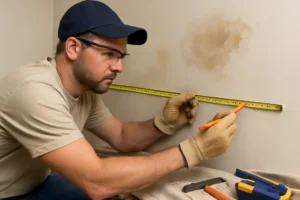
Some moisture issues hide inside walls or under floors. Signs include cold damp patches that never match the weather, warping baseboards, or wall paint that bubbles. Sound can also change. A room that suddenly feels dull or heavy may have wet building materials. Instead of guessing, schedule a visit that uses thermal imaging and moisture meters to find the wet areas before you start tearing things apart. If you want that service in Austin and nearby areas, jump to our CTA section below to book thermal imaging and moisture detection.
Cleaning do and do not list
Do ventilate while cleaning. Do use an N95 or better, gloves, and eye protection if you clean small areas. Do test a small spot of any cleaner on a hidden area of instrument cases and panel fabric. Do bag and remove debris from the studio quickly. Do dry the area completely after cleaning. Do keep kids, pets, and anyone with asthma or immune concerns out during cleaning and drying.
Do not mix cleaners. Do not use bleach on metals or delicate finishes. Do not try to clean large mold areas on drywall or inside HVAC. Do not keep porous items that still smell musty after a full dry. Do not skip the source. If moisture returns, so will mold.
FAQ
How quickly can mold grow on acoustic panels or instruments?
Mold can begin within 24 to 48 hours on damp materials. Quick drying and steady airflow are your best friends. See CDC guidance on drying timelines at cdc.gov.
What is the ideal humidity for guitars and pianos?
A steady 40 to 50 percent relative humidity keeps most guitars and pianos happy and also keeps mold chances low. The CDC recommends indoor humidity at or below 50 percent as a general health target.
Can I clean mold off acoustic foam myself?
Small spots on non porous surfaces can be cleaned with detergent or a diluted bleach solution following CDC directions and proper PPE. Saturated foam or larger patches usually call for replacement or professional remediation.
When should I call a professional?
Call for help if the area is larger than about ten square feet, if HVAC is involved, if odors persist after cleaning, or if anyone in the home is sensitive. Read our guide on when to call professional mold removal for a full checklist.
Quick checklist and next steps
Use this short list to keep your studio ready to record and your gear free from musty backups.
Place two hygrometers, one near ear height and one near panels. Keep RH at or below 50 percent. Space acoustic panels off the wall and check the backs monthly. Store guitars dry in cases with humidity packs when needed. Dry spills immediately and ventilate after long sessions. Keep airflow moving across cold walls and window areas during humid weather. Pull and dry windscreens outside the mic case after each session. Photograph and log any moisture or mold you find, then act quickly.
If you want a hand, we are ready to help. Book any of the services below and get your room back to sounding like a record instead of a crawlspace.
Schedule a moisture inspection using thermal imaging and moisture meters to find hidden wet spots without guesswork.
Emergency water extraction and drying if a spill or leak soaked the studio or you cannot dry it within 24 to 48 hours.
Signs you need professional mold removal if you are seeing widespread growth, HVAC involvement, or persistent odors.
Check mold insurance coverage and learn what to document for claims.
Mold does not care how sweet your tone is. Keep humidity steady, give panels breathing room, store instruments dry, and act fast when water shows up. Those small habits are the secret sauce for home studio mold prevention and acoustic panel mold prevention. When the job is bigger, call in the pros and get back to making music instead of feeding a science project.